
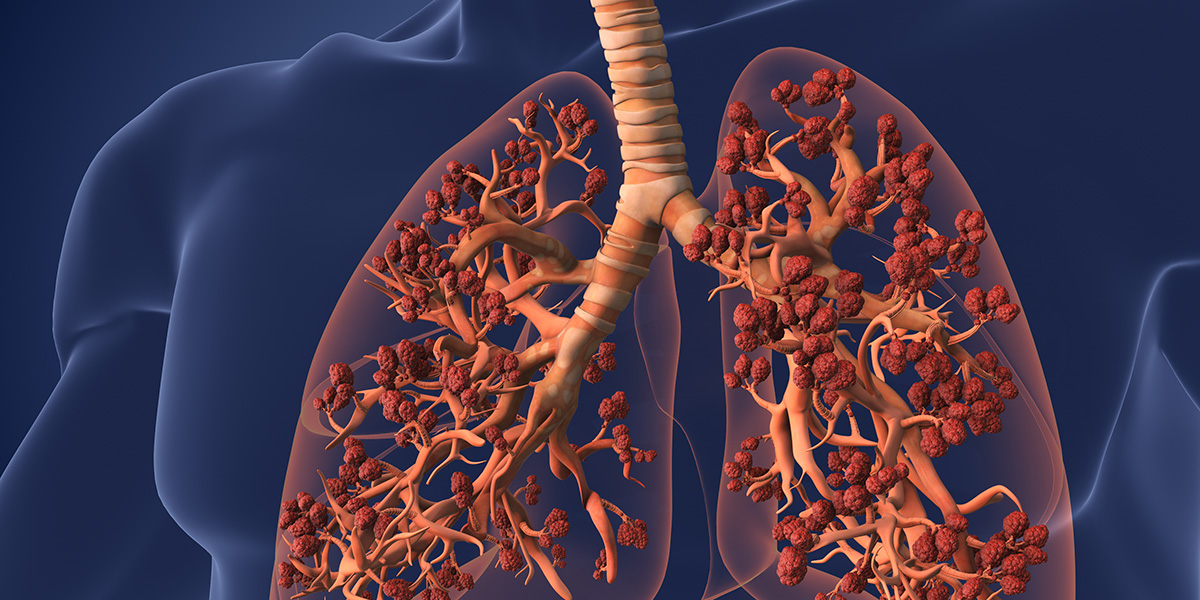
Pulmonary surfactant is a fat-rich substance that coats the tiny air sacs in the lungs, reducing surface tension and preventing the air sacs from collapsing with each breath. It is produced almost entirely by specialized lung cells called alveolar type 2 cells, which maintain a highly active lipid metabolism to sustain this process. Disruptions in surfactant production are well known to cause respiratory distress in premature infants, but their role in adult lung disease, including chronic obstructive pulmonary disease, or COPD, is less understood.
Rafael Ward of the State University of New York Downstate Health Sciences University and colleagues investigated a protein called LRP1, a receptor involved in lipid uptake and metabolism, to determine whether it plays a role in surfactant production in alveolar type 2 cells. Their study, published in the Journal of Lipid Research, found that LRP1 is essential for normal surfactant phospholipid metabolism and lung function. When LRP1 was silenced in human type 2 lung cells, surfactant phospholipid secretion dropped by approximately 20%, lipid metabolic genes were downregulated, and neutral fats accumulated inside the cells, suggesting the machinery for processing and releasing surfactant lipids was disrupted.
To confirm these findings in a living system, the researchers generated mice with LRP1 specifically deleted in alveolar type 2 cells. These animals showed approximately 30% lower surfactant phosphatidylcholine, the primary lipid in surfactant, and measurably impaired lung function, including reduced compliance and lower forced expiratory volumes. When exposed to cigarette smoke, LRP1-deficient mice developed more severe fibrotic lung remodeling than controls, and both the cell and mouse models showed elevated expression of inflammatory and detoxification pathways associated with COPD. Analysis of publicly available human data further revealed that type 2 cells from COPD patients have lower LRP1 expression alongside reduced lipid metabolic gene activity.
These findings establish LRP1 as a critical regulator of surfactant lipid metabolism in the lung and suggest that its loss may contribute to the development and progression of smoke-related lung disease.