
The killings come amid renewed calls to pass legislation aimed at protecting women from violence, which has remained stalled for more than a decade.
Rokna documented cases in Tehran, Isfahan, Tabriz, Kermanshah and Qeshm, among other locations, with victims ranging from teenage girls to elderly women.
The cases included suspected so-called “honor” killings and killings reportedly linked to disputes over separation and family finances. The motives behind several deaths remain unclear, and investigations are ongoing.
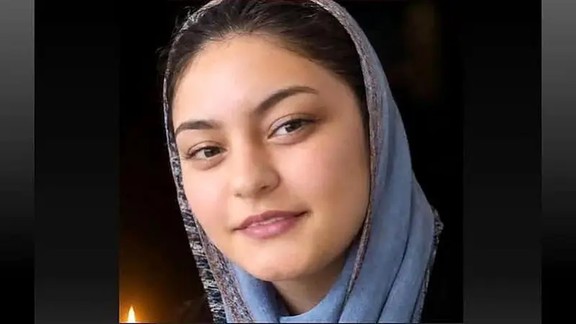 Yeganeh Hosseinzai, a 16-year-old victim of child marriage, who was killed in Bakharz, northeastern Iran.
Among the victims was 16-year-old Yeganeh Hosseinzai, who died on October 9 in Bakharz, in northeastern Iran’s Razavi Khorasan province, with signs of severe physical assault.
Hosseinzai had been married to a relative at the age of 10 and began living with him at 14. Her husband was arrested on suspicion of her murder.
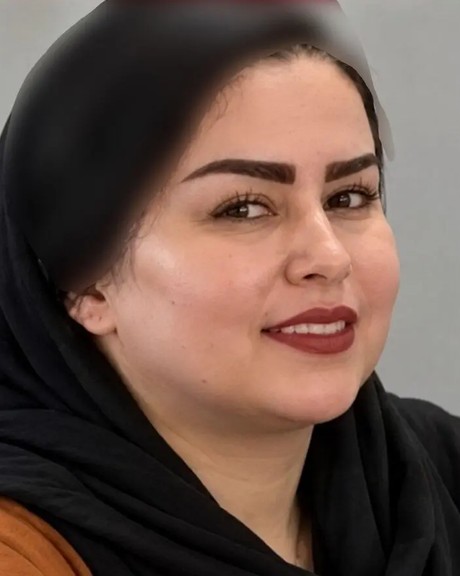 Mina Soltani, who was killed by her husband in Isfahan, central Iran.
In the central city of Isfahan, 40-year-old Mina Soltani, a mother of two, was killed by her husband on October 8. Before the killing, the man reportedly sent their 21-year-old son out of the house and locked their younger child, aged 10, in a room.
 Maryam Yarmohammadi, who was killed by her brother on Qeshm island, southern Iran.
On Qeshm island in southern Iran’s Hormozgan province, 28-year-old Maryam Yarmohammadi, a mother of two, was stabbed to death by her brother on October 5. Reports cited a suspected so-called “honor” motive.
An 18-year-old woman was shot dead in Shahroud, in north-central Semnan province, on October 4. Her 19-year-old brother confessed to killing her the following day, with financial and family disputes cited as possible motives.
In Tehran’s Majidiyeh neighborhood, a man confessed to strangling his 70-year-old wife, citing suspicions about her as the motive.
In another incident in the capital’s Khak-e Sefid neighborhood, a 47-year-old man set fire to a building where his mother-in-law lived after his wife refused to resume their marriage. The September 30 attack killed four people, including two women. The perpetrator also died.
 Fereshteh Yousefzadeh and her two daughters, who were killed in a family shooting in Dehloran, western Iran.
In Dehloran, in western Iran’s Ilam province, 38-year-old Fereshteh Yousefzadeh and her three children, aged nine and 14, were shot dead by her husband, Mohammad Mohammadi, who subsequently died by suicide.
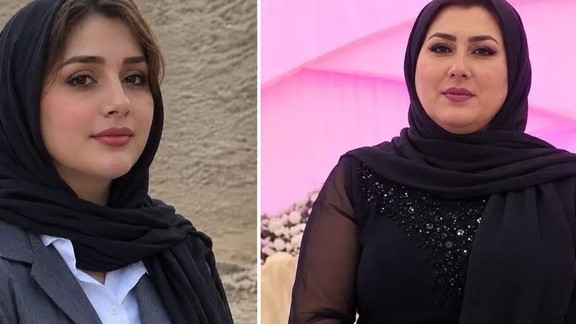
In the western city of Kermanshah, 46-year-old Fatemeh Lotfi and her 26-year-old daughter, Zahra Shahbazi, were shot dead. The family’s 18-year-old son was identified as the main suspect.
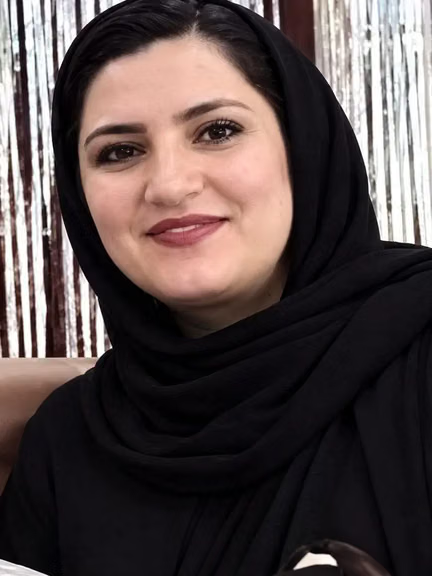 A woman and her two children were killed by the father of the family in Tabriz, northwestern Iran.
In Tabriz, northwestern Iran, a 45-year-old man killed his wife and two children before dying by suicide. The children’s genders were not disclosed.
In a separate case in the same city, a man killed his wife and moved her body onto a street in an attempt to make her death appear to have resulted from a traffic accident.
 Fatemeh-Sadat Tabatabaei was killed in Bam, southeastern Iran.
In Bam, in southeastern Kerman province, the husband of Fatemeh-Sadat Tabatabaei was arrested in connection with her killing. Investigators were also reportedly examining the possible involvement of her father-in-law.
Not all the reported killings involved relatives.
In Tehran, a 27-year-old woman was shot dead at her workplace on October 10 by a man with whom she had previously been in a romantic relationship.
In Saravan, in southeastern Iran’s Sistan and Baluchestan province, Mahsa Bozorgzadeh, a young mother, died on October 11 after unidentified assailants poured gasoline over her and set her on fire. The perpetrators and their motive remain unknown.
Rokna said it had excluded additional reported killings because investigations were ongoing or details about the victims and circumstances could not be confirmed. The exact dates of some of the killings it documented were also unavailable.
Separate report highlights wider toll
Separately, the Iranian newspaper Sazandegi reported Friday that at least nine women and girls had been killed by family members or people close to them since September 23.
The newspaper warned that the true scale of femicide in Iran remained unknown because of the lack of comprehensive and transparent official statistics.
The two reports should not be treated as separate tallies, as the extent of overlap between them is unclear
The human rights organization Hengaw documented at least 207 femicides across Iran in 2025, including 31 involving suspected so-called “honor” motives.
According to Hengaw, at least 13 women were killed after rejecting marriage proposals, 10 after seeking divorce, and 10 victims of child marriage were killed by their husbands during the year.
The organization said many of the killings were committed by people close to the victims, including husbands, former husbands, fathers, brothers and other family members.
Lawmaker urges action on stalled protection bill
The reported killings come as legislation intended to protect women against violence remains stalled after more than a decade of disagreements between the government and parliament.
Iranian lawmaker Ahmad Bigdeli, a member of parliament’s Social Affairs Committee, called for the bill’s passage on October 14, saying it could help prevent killings of women by family members.
“We should not wait for an incident to occur before thinking about legislation or amending the law,” Bigdeli told Iranian news outlet Jamaran.
He said the legislation had been moving between parliament and the government for 12 years, with disagreements over its name and wording, including the use of terms such as “violence” and “crime,” contributing to delays.
Bigdeli said the proposed law included measures aimed at prevention, criminalization and punishment, arguing that disputes over wording should not stand in the way of its passage.
Iran has no comprehensive domestic violence law to prevent abuse and protect survivors, according to Human Rights Watch, which has criticized discriminatory legal provisions affecting women.
Under Iranian law, fathers and paternal grandfathers who kill their children or grandchildren are exempt from qisas, or retaliatory punishment, although other penalties may apply.