
Anime is a particularly rewarding medium because there’s a distinct energy that defines its tone, storytelling, and style each decade. There’s been some fascinating innovation and creativity on display over the past 26 years, in particular.
The 2000s, 2010s, and early 2020s feature a darker and more cynical perspective that subverts many genre norms and explores new genres. This period’s triumphs are totemic, and there are some especially strong anime that sufficiently embody the medium’s post-2000s sensibilities.
Gintama Effortlessly Embodies Post-2000s Shonen Gag Comedy Excellence
There’s a different energy to the new crop of shonen anime that premiered during the 2000s, and Hideaki Sorachi’s Gintama so beautifully represents this new era of action. The chaotic and long-running series follows Gintoki, Kagura, and Shinpachi who split their time handling odd jobs within the community to help pay their rent and thwarting apocalyptic forces that threaten the planet.
Its action and serialized storytelling don’t disappoint, but it’s the series’ broad and bombastic comedy that’s truly its secret weapon. Nothing is off limits in Gintama, whether it’s pitch-perfect Death Note, Dragon Ball Z, or Doraemon parodies, or melodramatic character studies that reduce the audience to tears. It begins in a smart, satisfying, and satirical place and somehow manages to get even better over the course of its 367 episodes.
Paranoia Agent Is A Psychological Thriller Masterpiece That Deconstructs Mass Hysteria
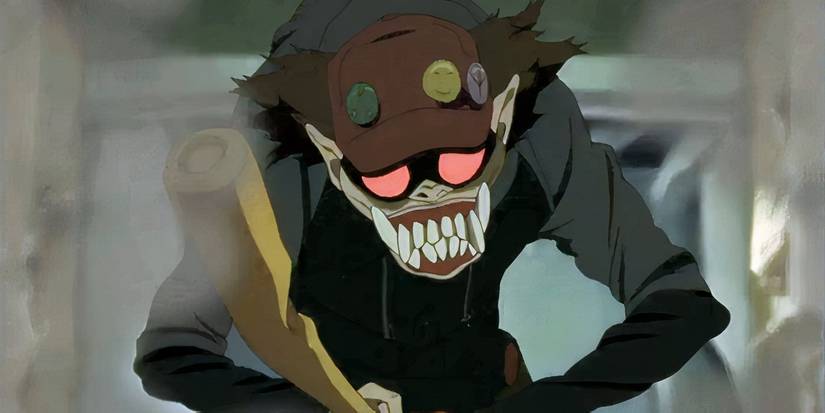
Lil’ Slugger monster with baseball bat in Paranoia Agent.Image via Madhouse
2004’s Paranoia Agent is a 13-episode anime from Satoshi Kon, the brilliant mind responsible for Perfect Blue, Millennium Actress, and Paprika. The psychological thriller focuses on a mysterious series of attacks that terrorize the residents of a small Tokyo community.
What begins as a criminal investigation into Lil’ Slugger’s attacks gradually evolves into a more complex meditation on mass social delusion, the power of rumors, and society’s compulsion to retreat into escapism than confront responsibility. Each episode breaks down the Lil’ Slugger phenomenon from a different individual’s perspective, which in turn becomes an enlightening exercise in character development.
NEW
Higher or Lower
Can You Price Real Pokémon Pulls?
4 graded cards, 6 seconds each. Faster answers score more.
Play
Play
Play
Play
Card 1/4
Total: pts
Pikachu Holo
McDonald’s 25th Anniversary · PSA 10
Worth more or less than
$180
▲ Higher
▼ Lower
Real value
$385
Time’s upMiss
Card 2/4
Total: pts
Mewtwo Holo
Base Set 1st Edition · PSA 8
Worth more or less than
$7,500
▲ Higher
▼ Lower
Real value
$3,900
Time’s upMiss
Card 3/4
Total: pts
Charizard ex
Paldean Fates · PSA 9
Worth more or less than
$15
▲ Higher
▼ Lower
Real value
$25
Time’s upMiss
Card 4/4
Total: pts
Lugia Holo
Japanese Neo Genesis · PSA 9
Worth more or less than
$1,900
▲ Higher
▼ Lower
Real value
$987
Time’s upMiss
Card 1/4
Total: pts
Charizard ex Special Illustration Rare
151 · PSA 10
Worth more or less than
$2,950
▲ Higher
▼ Lower
Real value
$1,382
Time’s upMiss
Card 2/4
Total: pts
Charizard GX
Hidden Fates Tin Promo · PSA 9
Worth more or less than
$25
▲ Higher
▼ Lower
Real value
$49
Time’s upMiss
Card 3/4
Total: pts
M Blastoise EX Full Art
Evolutions · PSA 10
Worth more or less than
$190
▲ Higher
▼ Lower
Real value
$397
Time’s upMiss
Card 4/4
Total: pts
Pikachu
Jungle 1st Edition · PSA 8
Worth more or less than
$200
▲ Higher
▼ Lower
Real value
$90
Time’s upMiss
Card 1/4
Total: pts
Lugia Holo
Japanese Neo Genesis · PSA 9
Worth more or less than
$520
▲ Higher
▼ Lower
Real value
$987
Time’s upMiss
Card 2/4
Total: pts
Pikachu Holo
McDonald’s 25th Anniversary · PSA 10
Worth more or less than
$820
▲ Higher
▼ Lower
Real value
$385
Time’s upMiss
Card 3/4
Total: pts
Mewtwo Holo
Base Set 1st Edition · PSA 8
Worth more or less than
$1,950
▲ Higher
▼ Lower
Real value
$3,900
Time’s upMiss
Card 4/4
Total: pts
Charizard ex
Paldean Fates · PSA 9
Worth more or less than
$50
▲ Higher
▼ Lower
Real value
$25
Time’s upMiss
Card SharkSharp EyeNot BadRookie Collector
pts
of 4 right. Now
rip a real pack.
Must be 18+/19+ to participate depending on
jurisdiction.
Monster Is A Mature & Nihilistic Cat-And-Mouse Game Between Serial Killer & Surgeon
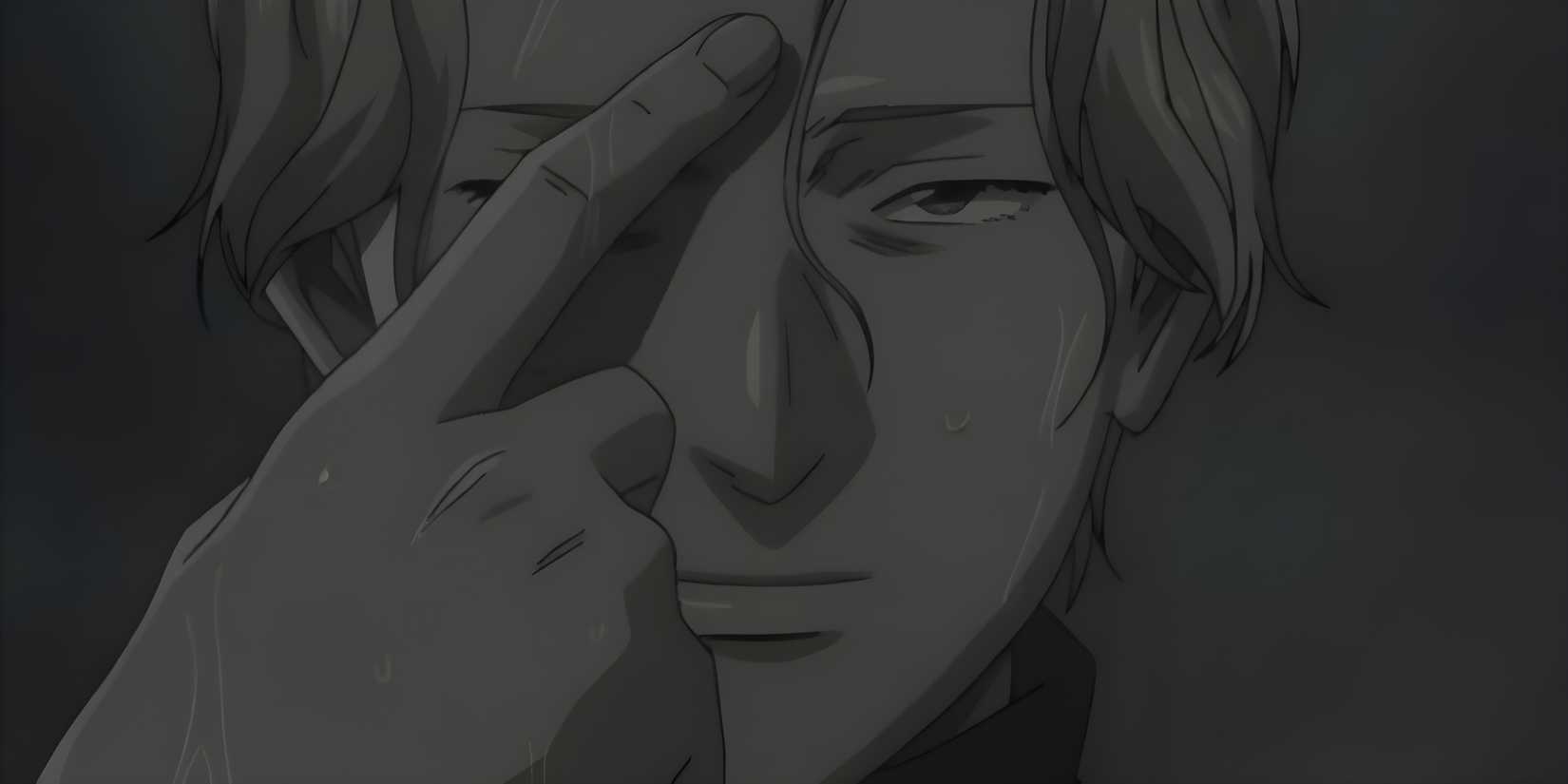
Johan tells Tenma to shoot him in the forehead in Monster.Image via Madhouse
Naoki Urasawa is one of the best names in the manga industry and all the anime adaptations of his works should be mandatory viewing. Monster is widely regarded as Urasawa’s magnum opus and its 74-episode anime is a totemic and thought-provoking triumph. Dr. Tenma, a disgraced former neurosurgeon, is wracked with guilt when one of his former patients grows up to be a prolific serial killer.
Tenma feels a sense of responsibility for Johan Liebert’s actions, which prompts a nihilistic descent into death and destruction. Monster builds to a stunning climax as it asks challenging questions, such as whether every life holds the same value. It’s a masterpiece in methodical and well-paced storytelling that doesn’t take any shortcuts and allows its characters to marinate in their pain.
Mushishi Delivers Somber & Spiritual Slice-Of-Life Mysteries
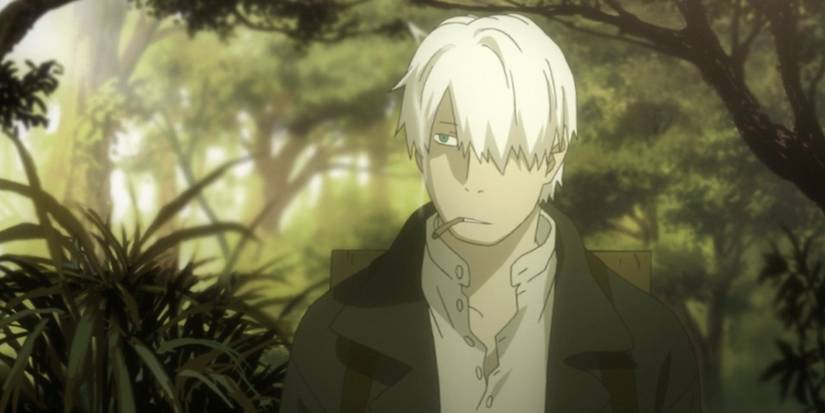
Ginko wanders through a forest while smoking Mushi Soot Grass in Mushishi.Image via Artland
Mushishi is a striking style of seinen series that opts for a darker and more cerebral style of storytelling. A foreboding atmosphere and a suffocating sense of dread permeates through this anime, which turns to a self-contained and anthology-like storytelling structure. Each episode follows Ginko as he tackles another Mushi-based mystery that’s triggered a spiritual disturbance.
Mushi are portrayed as neutral entities that make Ginko’s exorcist-esque duties a lot more interesting than if they were purely evil spirits. Japanese folklore is a healthy influence on the anime’s rich stories and themes. There’s a confidence to Mushishi’s storytelling, and its episodic approach never wears thin.
Haikyu!! Is An Inspirational Underdog Story That’s Pure Sports Shonen Excellence
Anime has such a rich relationship with sport, and there’s practically an anime out there for every activity imaginable. Haikyu!! is anime’s top volleyball title and one of the best shonen series to come out of the 2010s, sports-related or otherwise. The series depicts Shoyo Hinata’s ascent as a volleyball prodigy as he and Karasuno High’s team put everything they have onto the court.
It’s often easy for sports anime to fall into repetitive patterns, but there’s a contrasting quality and structure to each of Haikyu!!’s seasons. The anime’s exciting set pieces and character-building exercises are likely to resonate with action fans who aren’t even interested in volleyball.
Steins;Gate Is A Smart Time Travel Saga With Extreme Psychological Consequences
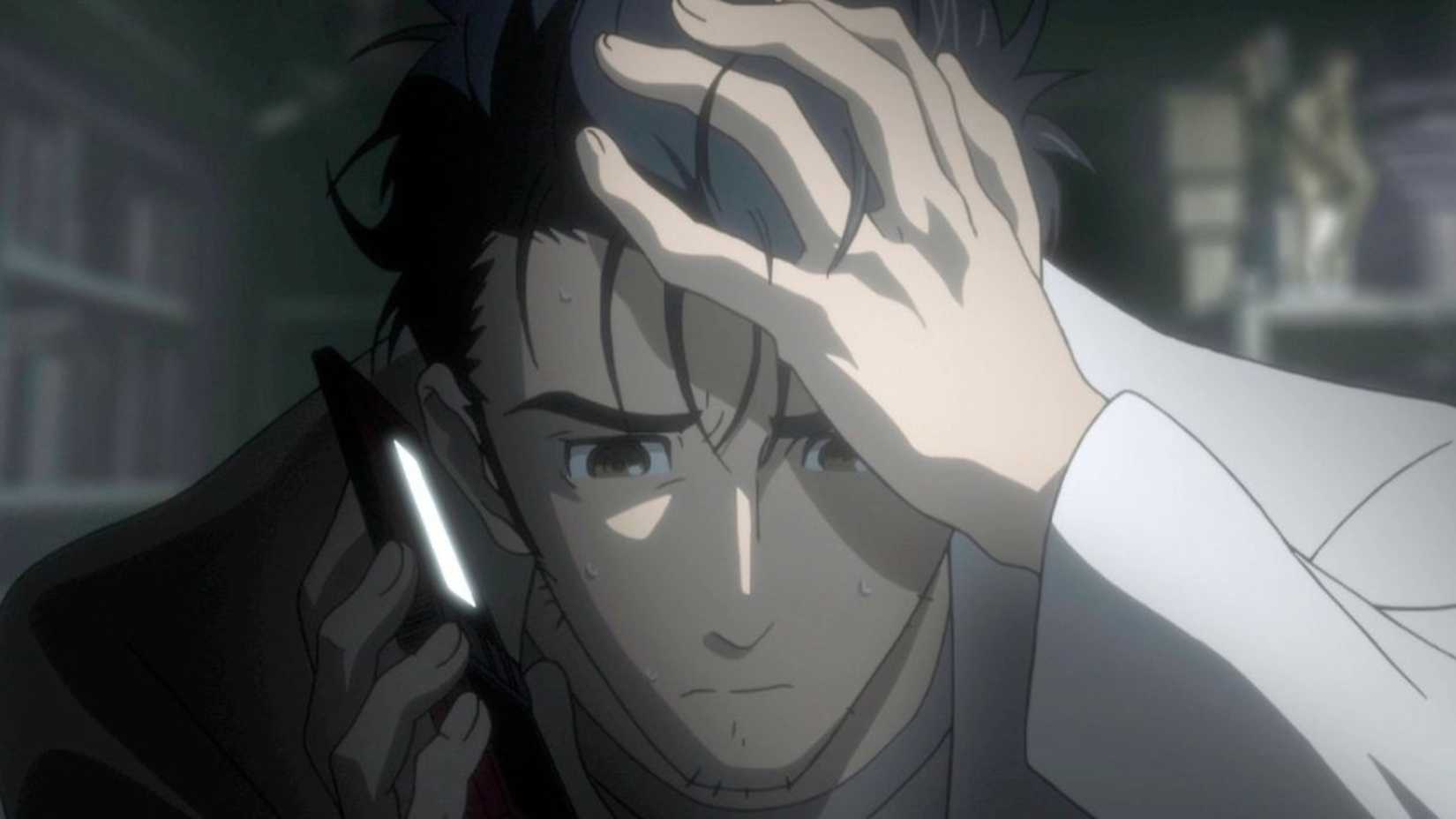
Rintaro Okabe is stressed while he takes a call in Steins;Gate.Image via Studio White Fox
There’s an abundance of sci-fi anime from the past 25 years that bravely tackle big ideas. Time travel is always tricky territory to successfully pull off without paradoxes and plot holes. Steins;Gate is one of anime’s strongest time travel titles due to how seriously it takes its central concept.
Rintaro Okabe inadvertently stumbles upon a rudimentary means of time travel that triggers a wealth of experimentation, butterfly effects, and compounded grief and trauma. The anime’s approach to science fiction is exceptional, but Steins;Gate is such a subversive success because it’s more interested in Okabe’s frayed mental state and the increasing isolation that he faces as he tirelessly tries to generate the ultimate timeline.
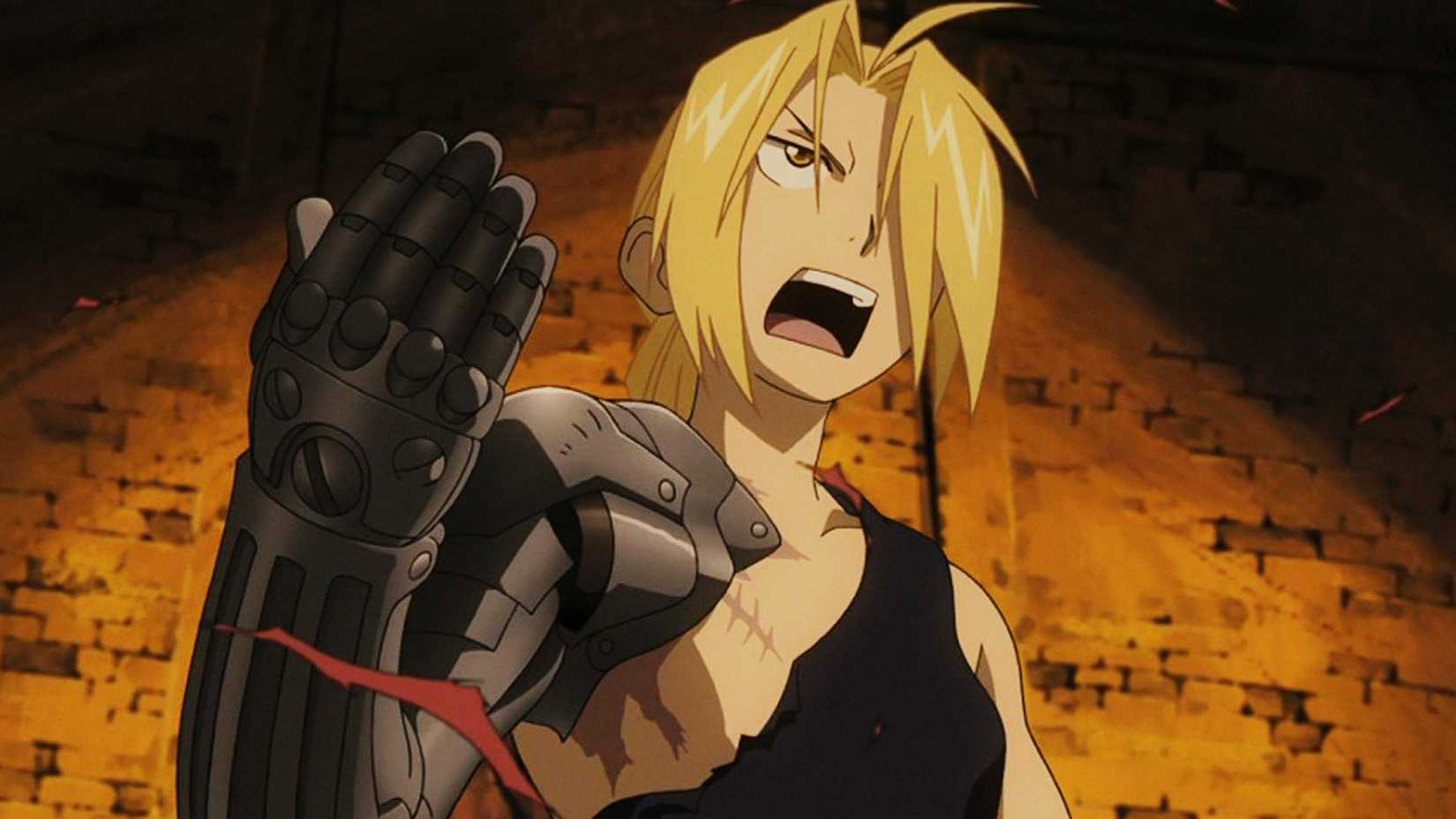
Edward Elric calls for more in Fullmetal Alchemist: Brotherhood.Image via Studio Bones
2009’s Fullmetal Alchemist: Brotherhood learns from its predecessor’s mistakes and delivers a flawless adaptation that distills Hiromu Arakawa’s standout story across 64 episodes. A lack of filler and extraneous side quests makes sure that Edward and Alphonse Elric’s impassioned quest hits as hard as possible.
More than 15 years later, it’s still regarded as one of the best shonen anime of all-time due to its detailed world-building, grounded characters, and an intuitive and complex power system that encourages strategic solutions over brute strength. Its big battles are all suspenseful successes, and its epic narrative concludes on the most satisfying note possible.
Hunter X Hunter Reinvents Shonen Staples With Unconventional Plotting & A Peerless Power System
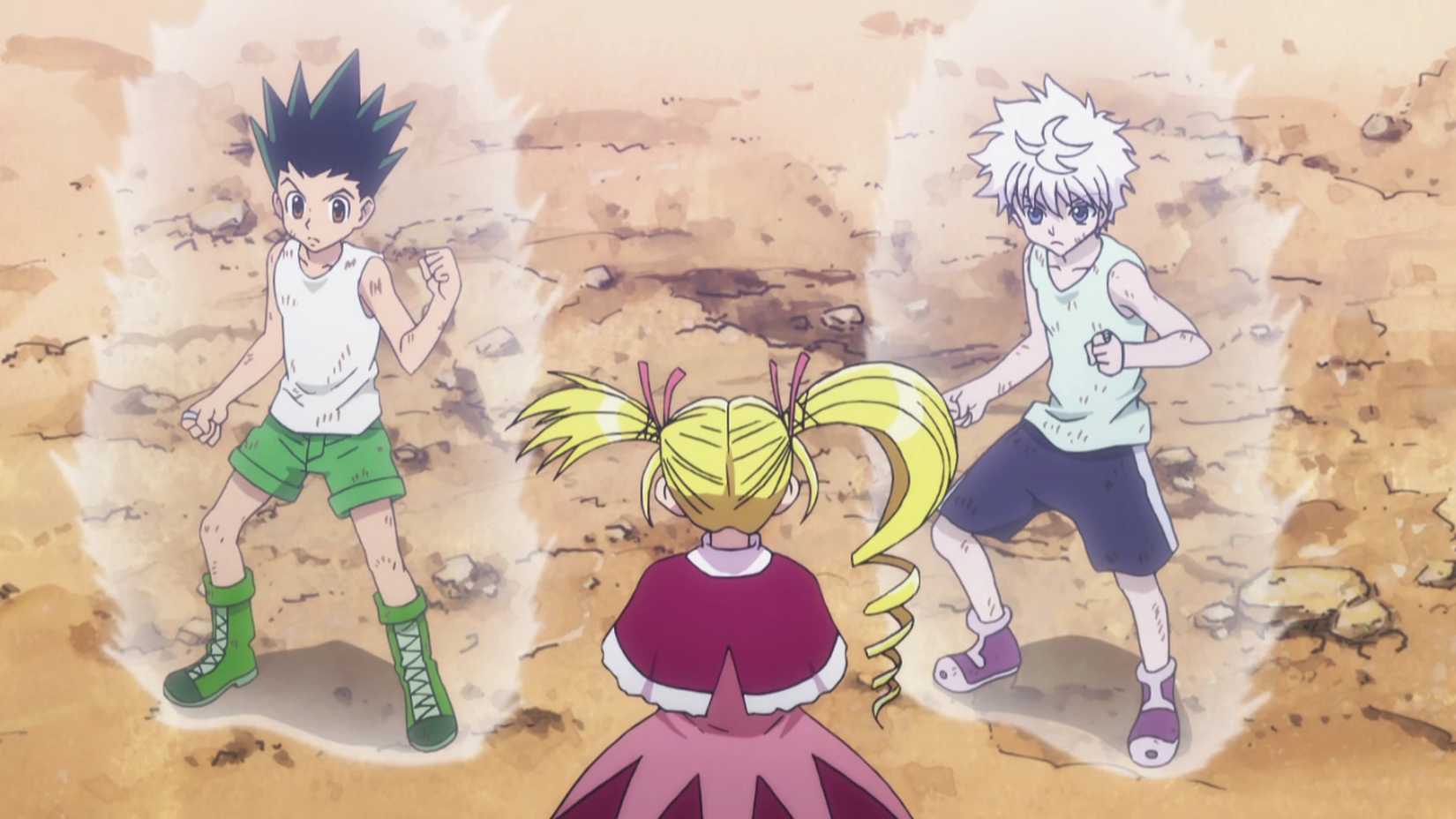
Bisky training Gon and Killua in Hunter x Hunter.Image via Madhouse
Hunter x Hunter’s original anime from 1999 is a decent enough introduction to Yoshihiro Togashi’s iconic shonen universe, but 2011’s remake is superior in practically every regard and highlights just how much changed in the anime industry before the year 2000 and after. 2011’s Hunter x Hunter follows Gon Freecss, a heroic underdog who longs to become a professional Hunter and reunite with his estranged father.
Building upon what he learned in Yu Yu Hakusho, Togashi’s Hunter x Hunter subverts shonen expectations with creative story arcs that never repeat themselves. It’s this anime’s compulsion to constantly reinvent itself, along with its creative Nen power system, that’s made it such an enduring triumph.
Related
This Crime-Thriller With a 100% RT Score Is Officially the Most Underrated Miniseries of the 2000s
Satoshi Kon’s Paranoia Agent is a masterpiece that pushes the psychological thriller genre to challenging places that highlight Kon’s signature skills
Mob Psycho 100 Is A Powerful Coming-Of-Age Story About Identity & Confidence
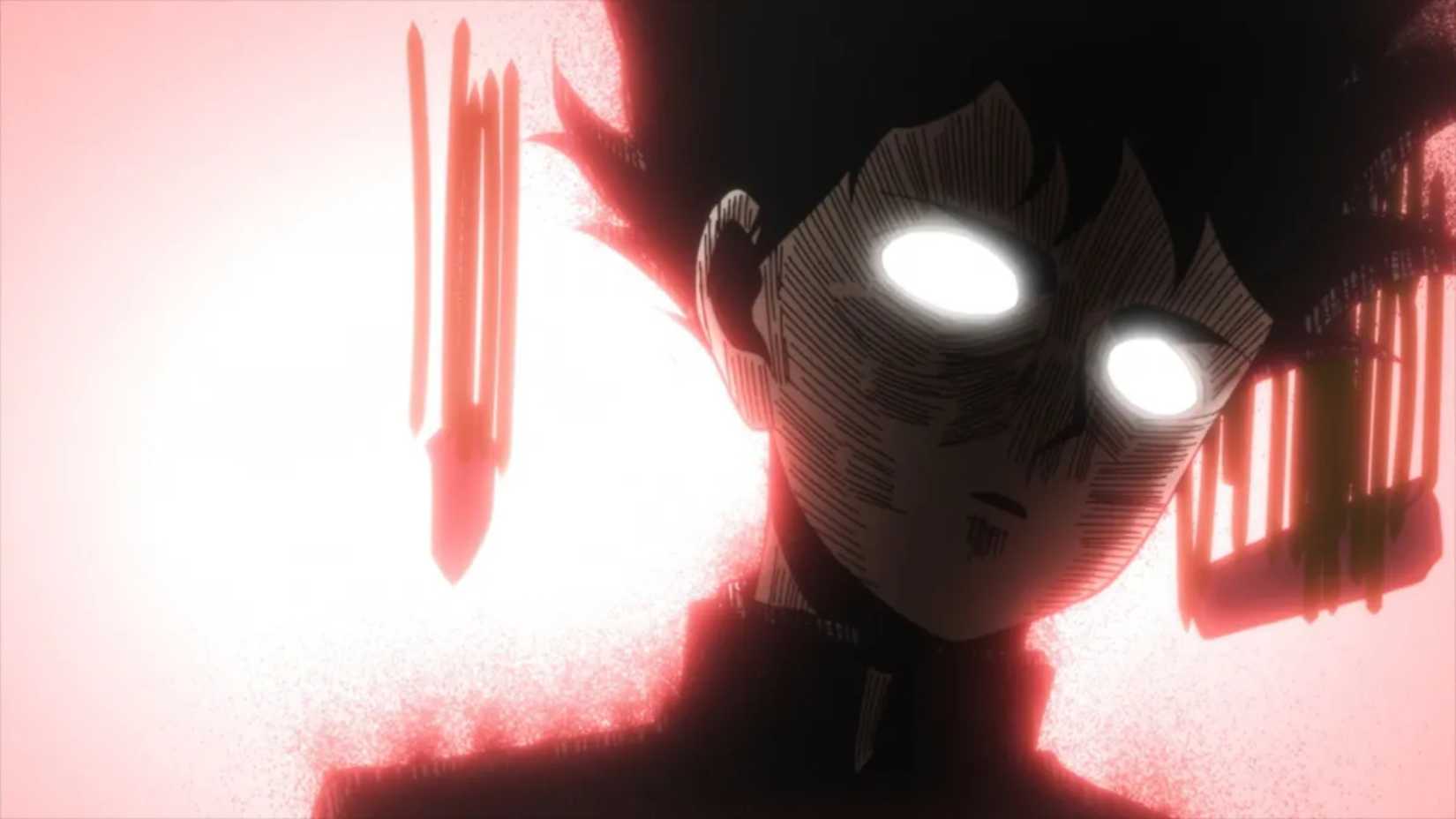
Shigeo Kageyama going all out in Mob Psycho 100.
Image via Studio Bones
Mob Psycho 100 is a perfect three-season run of overpowered psychic exploits that doubles as one of the most moving coming-of-age character studies of the past 25 years. Shigeo “Mob” Kageyama is blessed with apocalyptic psychic abilities, but the use of such skills requires him to unleash his raw emotions. This volatile process leaves Mob afraid to tap into his feelings and properly express himself.
Despite his strength, he longs to live a normal life with his friends where he feels comfortable in his own skin. Mob Psycho 100 is still full of bewildering displays of psychic strength, as overwhelming espers engage in dynamic duels. It’s also satisfying to see Mob conquer his personal demons, embrace his true self, and celebrate the fact that empathy and kindness are more valuable skills than supernatural strength.
Attack On Titan Is A Cruel Condemnation Of War’s Cyclical Destruction
Hajime Isayama’s Attack on Titan was a pop culture sensation during its decade-long run. The exciting action anime was unavoidable during the 2010s, and its nihilistic narrative and creative man-eating creatures helped the franchise feel fresh. The dark shonen anime begins as an isolated community’s meager attempts to survive against the enormous man-eating Titans.
It gradually evolves into a more complex exploration of propaganda, the vilification of “the other,” and whether a fatalist perspective in which the end justifies the means can ever truly make sense. Attack on Titan is filled with brutal battles, intimidating transformations, and unbelievable plot twists, but there’s deep and important commentary at the core of it all.