
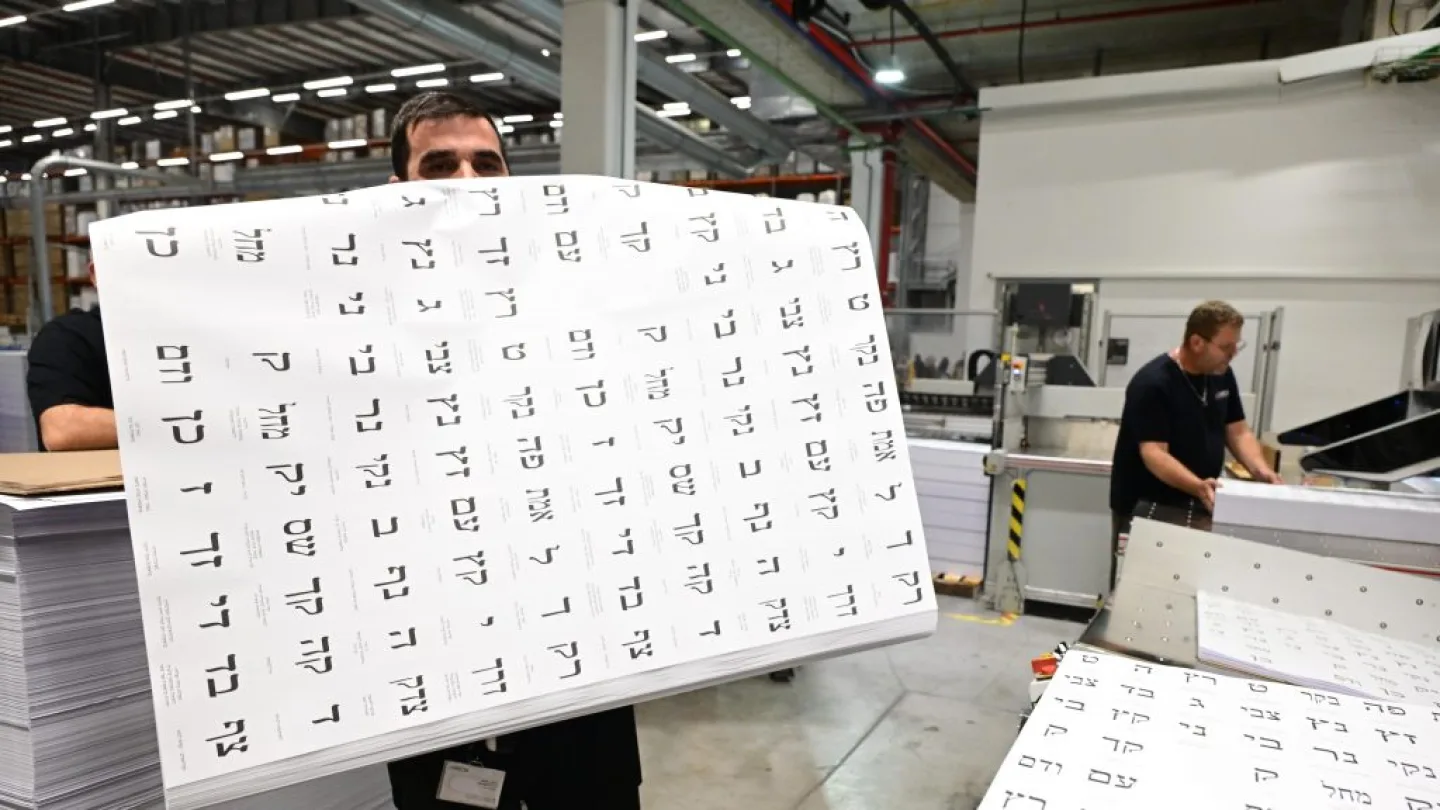
(Oct. 22, 2026 / TPS-IL)
Haredi and Arab citizens will make up a smaller share of voters in next week’s election than of Israel’s population, largely because both communities are so young, according to data released by Israel’s Central Bureau of Statistics on Wednesday.
Haredi Jews account for 13.9% of the population but only 10.5% of the 6.5 million eligible voters living in Israel. Arabs make up 22% of the population but 18% of eligible voters. Among Arabs, the gap also reflects non-citizen residents, mainly in eastern Jerusalem and the Golan Heights.
The age gap is starkest in Jerusalem, where only 39.2% of residents are eligible to vote, followed by Beit Shemesh at 47.1% and Bnei Brak at 50.4%. In most cities with more than 100,000 residents, the share ranges from 70% to 80%.
Overall, some 7.3 million Israelis are eligible to vote in the Oct. 27 election for the Knesset, including roughly 810,000 living abroad. The number of eligible voters living in Israel has grown by 5.4%, or about 333,000 people, since the last election in November 2022.
Jews make up 77% of eligible voters living in Israel and Israeli Arabs 18%. The remaining 5% are mostly immigrants and their relatives who are not registered as Jewish.