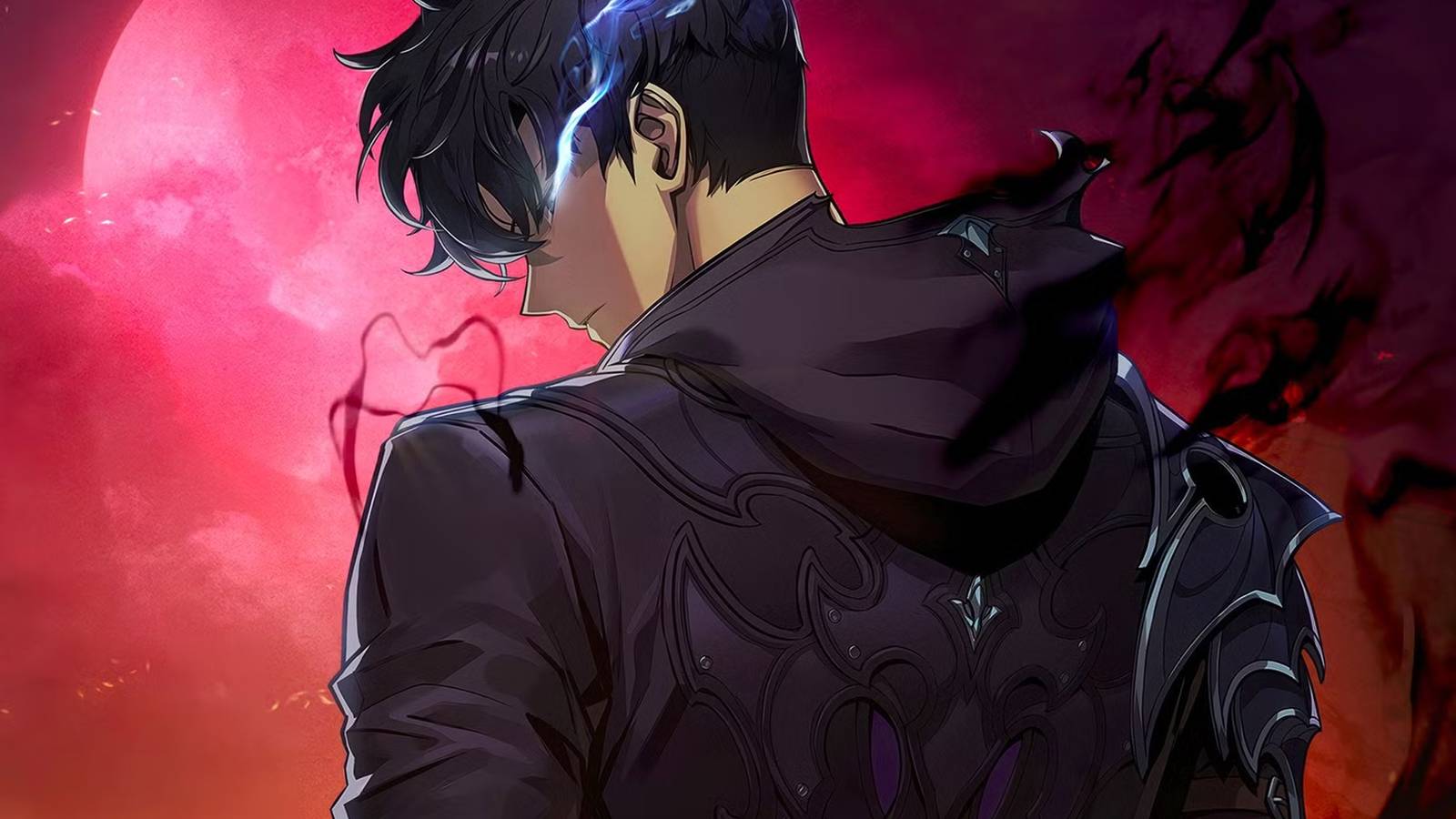
Solo Leveling has quickly become one of the biggest titles in action anime, and its fights are a major reason why. Sung Jinwoo’s battles constantly escalate in scale, and A-1 Pictures knows exactly how to sell the moment each time. The series is especially good at spectacle. Solo Leveling’s battles give audiences the satisfaction of watching overwhelming strength collide with enemies capable of briefly pushing back.
Season 2 only raised that ceiling, culminating in Jinwoo’s confrontation with the Ant King. However, great fight scenes need more than beautiful animation and huge attacks. The very best utilize movement to uncover personality, create synergy between abilities in clever ways, and give every attack meaning. As amazing as Solo Leveling might be, there are some other anime that have produced battles that go even further.
Naruto: Shippuden’s Best Fights Are Tactical Stories of Their Own
Close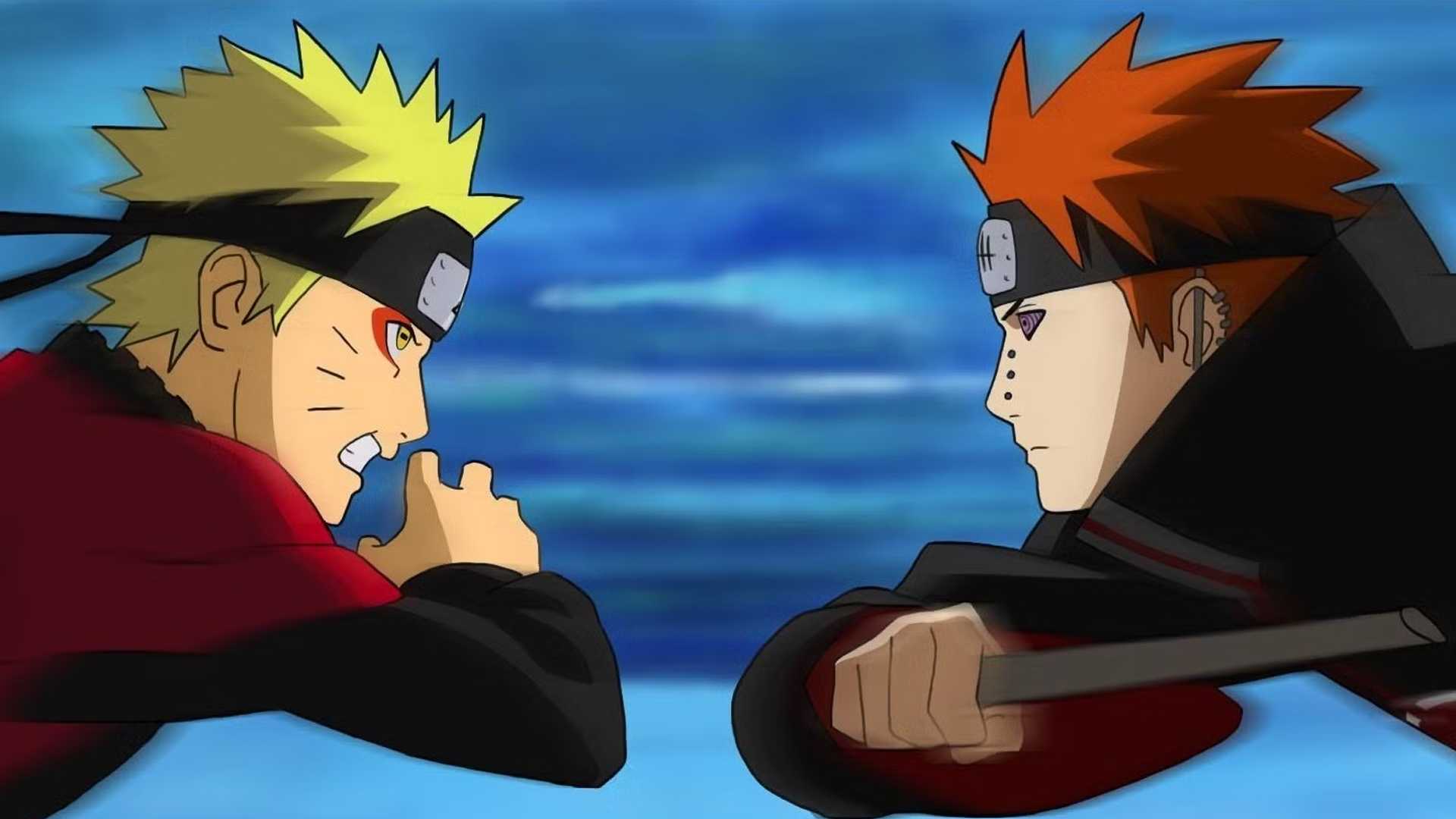 Naruto and Pain face to face in Naruto: ShippudenImage via Studio Pierrot
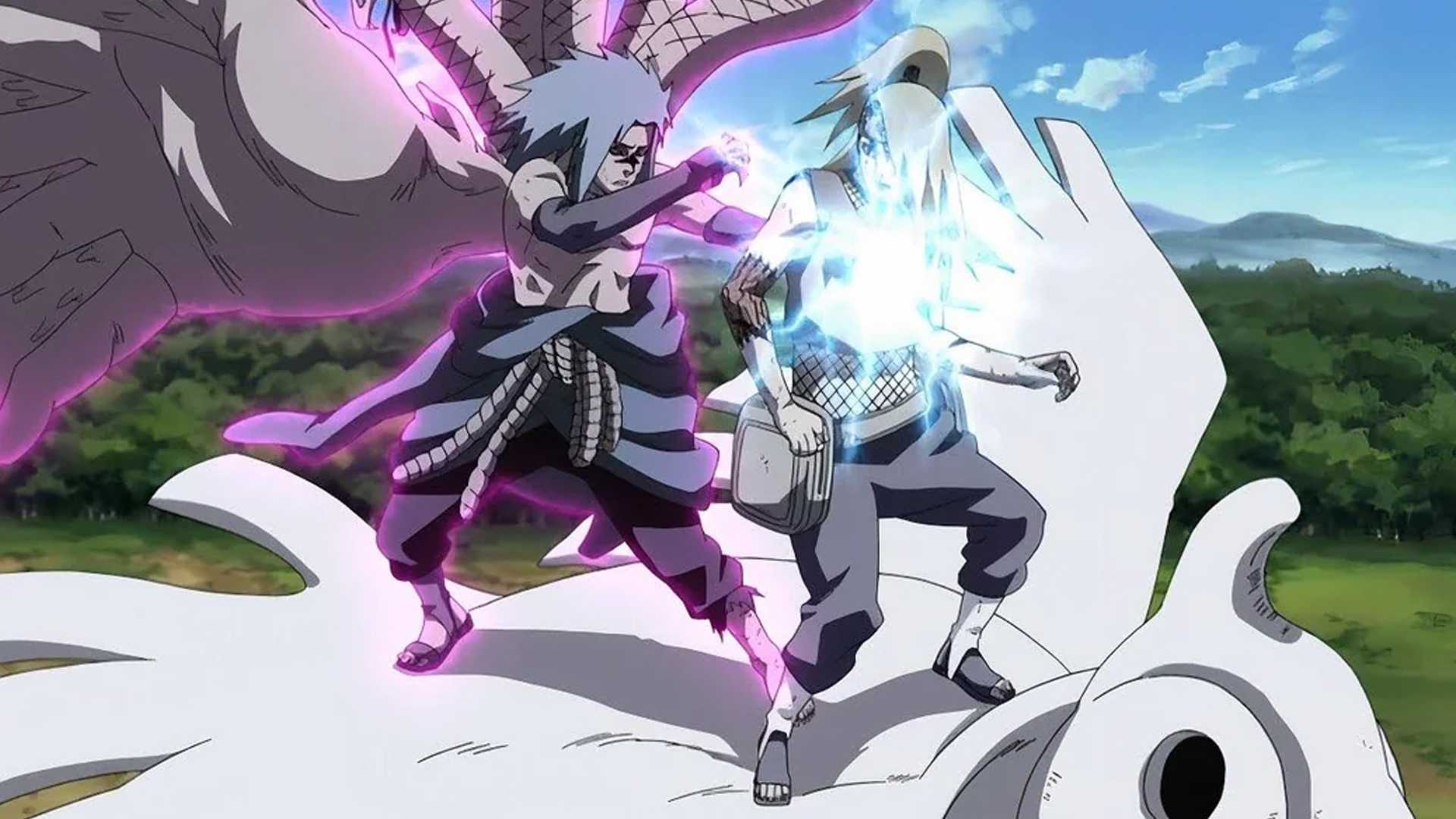 Image via Studio Pierrot
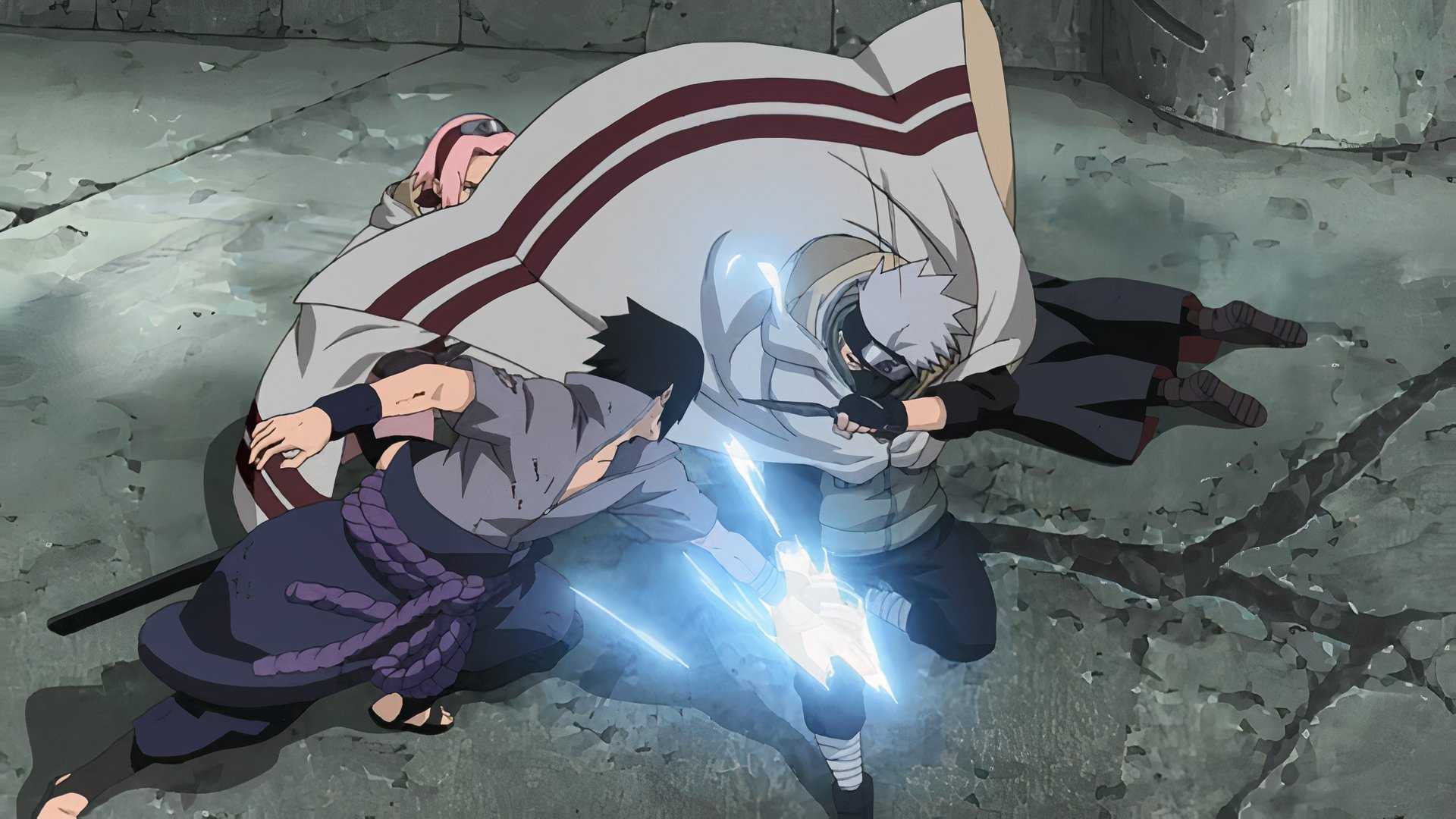 Kakashi saves Sakura by deflecting Sasuke’s chidori in Episode 214 of Naruto: ShippudenImage via Studio Pierrot
Naruto: Shippuden does not have consistent animation across its hundreds of episodes. When the production decides a fight matters, however, the results are extraordinary. Naruto vs. Pain combines strange movement, large-scale destruction and tactical use of Naruto’s Sage Mode.
Naruto and Sasuke’s final battle strips away enormous techniques until two exhausted rivals are practically beating each other with whatever strength remains. Then there is the clash between Kakashi vs. Obito during the Fourth Great Ninja War. The fight alternates between present-day combat and childhood sparring, allowing the choreography to function as character writing.
That is where Shippuden’s battles trump the ones shown in Solo Leveling. Jinwoo’s battles can look spectacular, but they increasingly revolve around how overwhelming his expanding arsenal has become. Naruto’s greatest fights frequently reveal who the characters have become. A block or a counterattack can carry years of history behind it.
Bleach: Thousand-Year Blood War Gives Its Biggest Powers the Treatment They Deserve
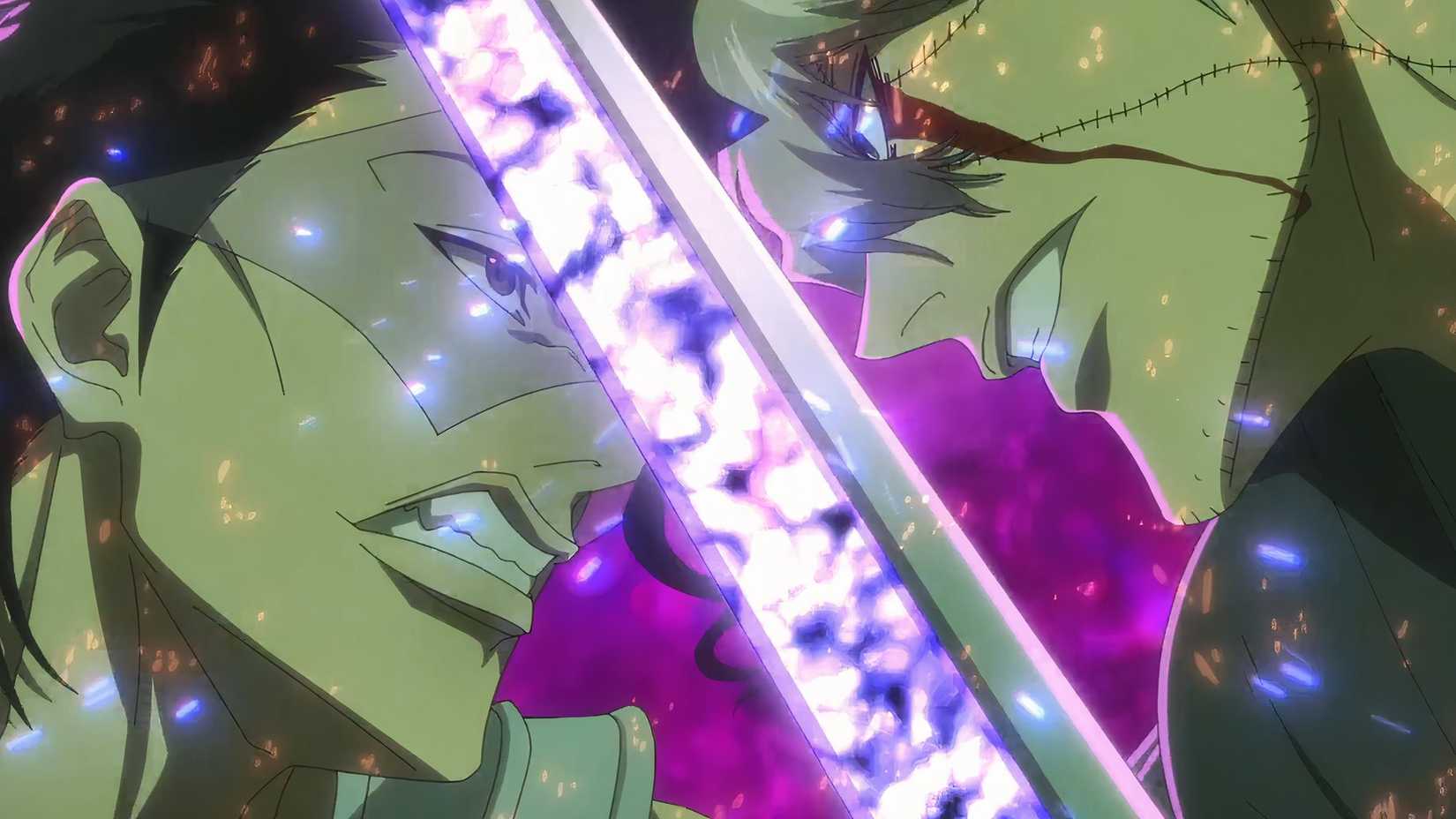
Urahara Kisuke and Askin clash in Bleach TYBW Season 4 Episode 2Image via Pierrot Films
The original Bleach certainly had memorable fights, but Thousand Year Blood War gives them an entirely different level of presentation. There are many abilities present in the final arc that can easily become visually overwhelming. Bankai transform entire battlefields, and Quincy powers operate according to increasingly bizarre rules.
Fortunately, the new anime understands that scale. Yamamoto’s confrontation with Yhwach reveals the commander’s Bankai, Zanka no Tachi, to be something apocalyptic. Kenpachi’s battles emphasize the sheer physical violence behind his strength. Squad Zero receives expanded material allowing its members to display powers the original manga barely had space to explore.
The greatest improvement is direction. The lighting, sound design and environmental destruction all contribute to how powerful someone feels before the decisive blow arrives. Although Solo Leveling has smoother protagonist-centric action, Bleach TYBW definitely has a greater arsenal at its disposal.
Fate/stay night: Unlimited Blade Works Treats Every Servant Like a Final Boss
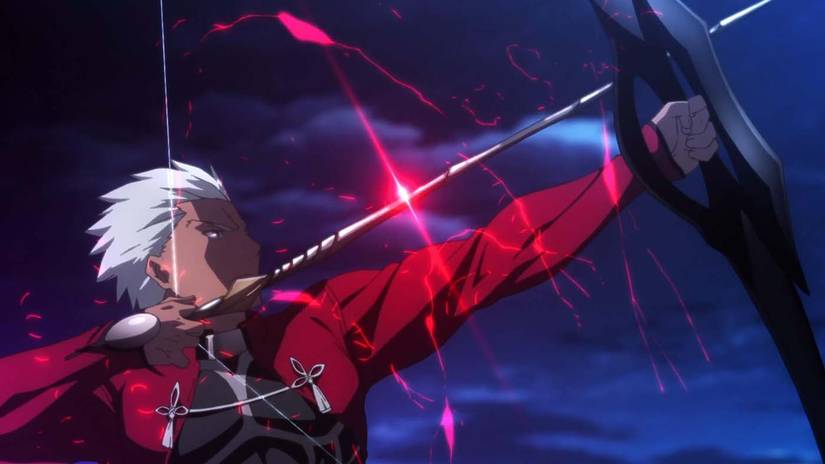
Archer draws his bow in Fate/Stay NightImage via Ufotable
The Holy Grail War in Fate/stay night: Unlimited Blade Works does not contain any ordinary fighters. Servants are legendary heroes pulled from history and myth, each with abilities powerful enough to completely reshape a battle once revealed. That means practically every match-up has its own rules. Ufotable takes full advantage of that premise.
Sword fights have weight and magic explodes across various environments. The difference between fighters also matters. Saber is devastating at close range, and Berserker overwhelms opponents through absurd physical strength. Archer fights from a distance, but becomes significantly more complicated once his real abilities are revealed.
The animation is also spectacular, especially for an anime released in 2014. Solo Leveling often creates excitement by showing how overwhelmingly strong Jinwoo has become. Unlimited Blade Works creates it by placing fighters with completely different strengths into situations where knowing exactly what the opponent can do is essential.
One-Punch Man Proved an Overpowered Hero Could Still Have Incredible Fights
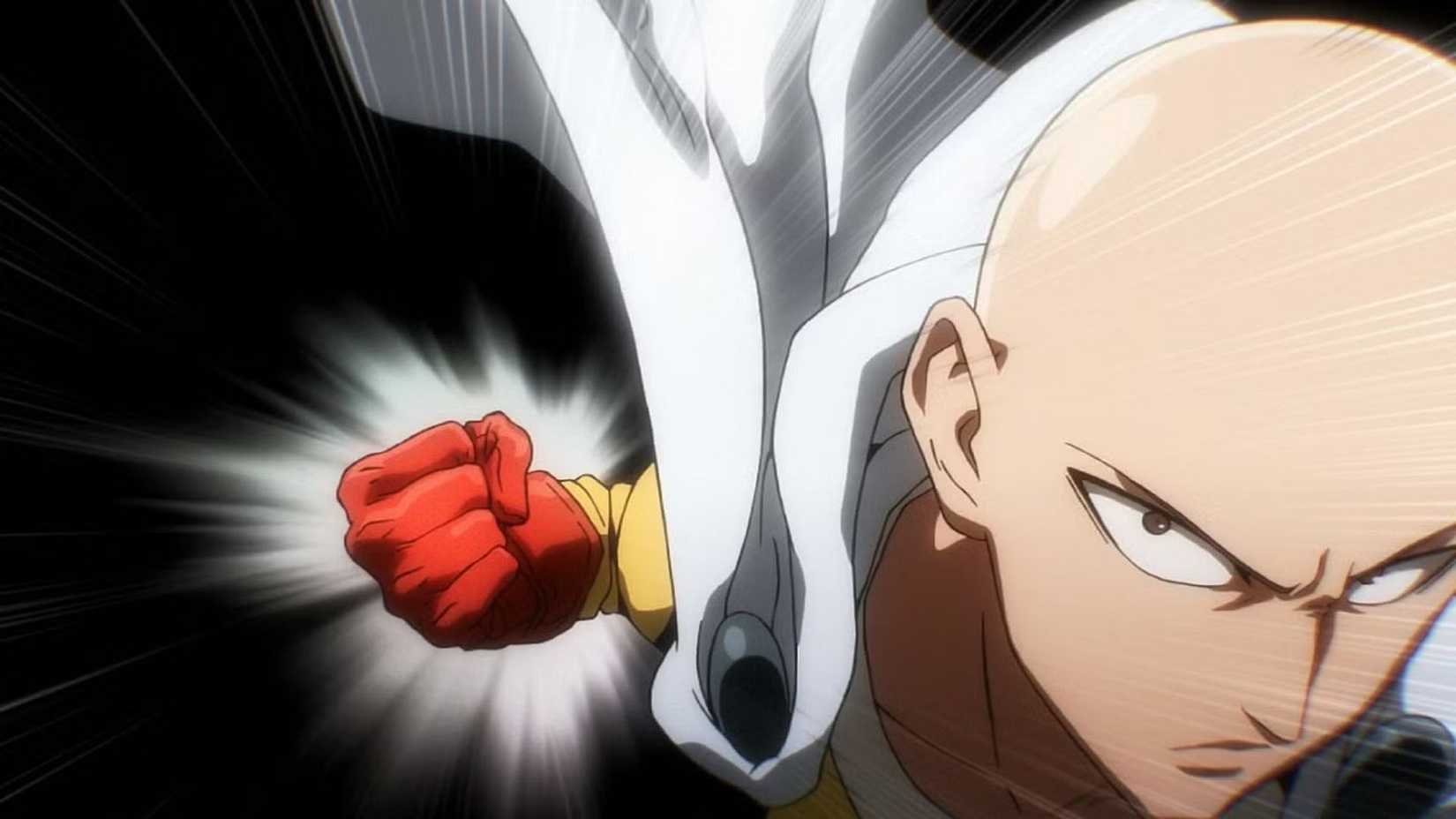
Saitama getting ready to punch in One Punch ManImage via Madhouse
Saitama creates an obvious problem for an action anime because he wins his fights with one punch. That should totally destroy suspense. Instead, One-Punch Man uses Saitama’s absurd strength as an excuse to let the animation become completely unreasonable. The first season is particularly extraordinary.
Genos fights with explosive speed and mechanical precision. Sonic moves too fast for ordinary opponents to register him. Bang demonstrates completely different martial arts styles before Saitama ever needs to enter the frame. Saitama vs. Boros remains one of the great demonstrations of pure anime spectacle.
Boros’ regeneration allows the fight to keep escalating despite Saitama’s enormous advantage. The brilliance is that the battle remains funny while still looking incredible. Viewers know Saitama is probably going to win, but that certainty does not reduce the excitement.
There Are No Rules Guiding the Animation in Mob Psycho 100
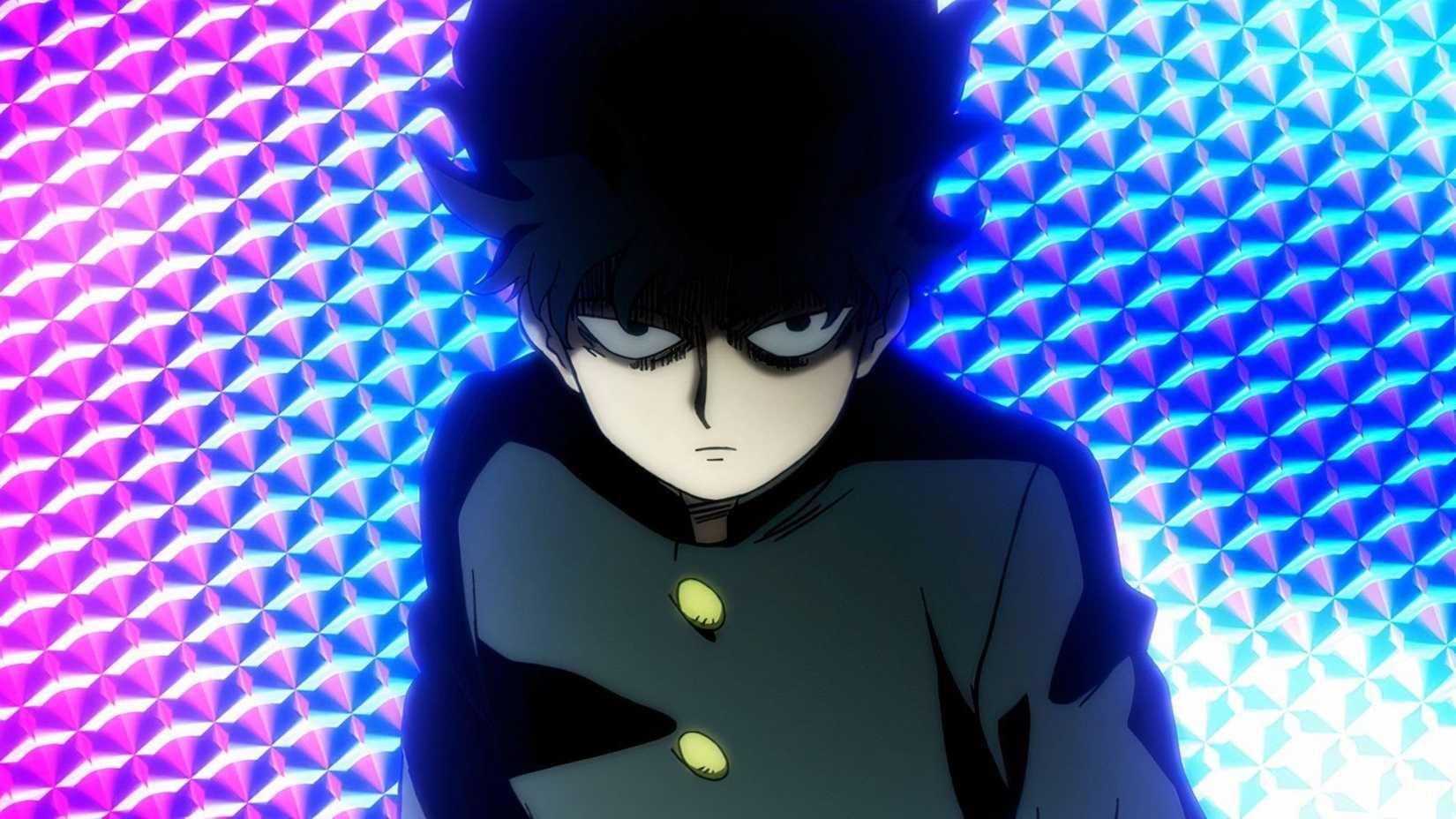
Mob using rainbow colored psychic abilities in Mob Psycho 100.Image via Studio Bones
Most action anime try to maintain a consistent visual language. Mob Psycho 100 seems actively interested in discovering how many different visual languages can fit inside one fight. A fight can suddenly become sketchy as bodies distort. Another animator can take over and approach movement completely differently minutes later.
Instead of damaging the anime’s identity, that freedom becomes its identity. Mob’s 100 percent emotional threshold gives battles a built-in relationship between visual escalation and his internal state. The fights are especially ambitious. Shimazaki’s teleportation battle against multiple espers is a lesson in spatial choreography.
Mob’s confrontations with Toichiro and later characters push psychic destruction toward absurd scales without losing the emotional reason the fighting matters. That range places Mob Psycho 100 above Solo Leveling in visual creativity.
Jujutsu Kaisen Has the Complete Package for Modern Anime Combat
Close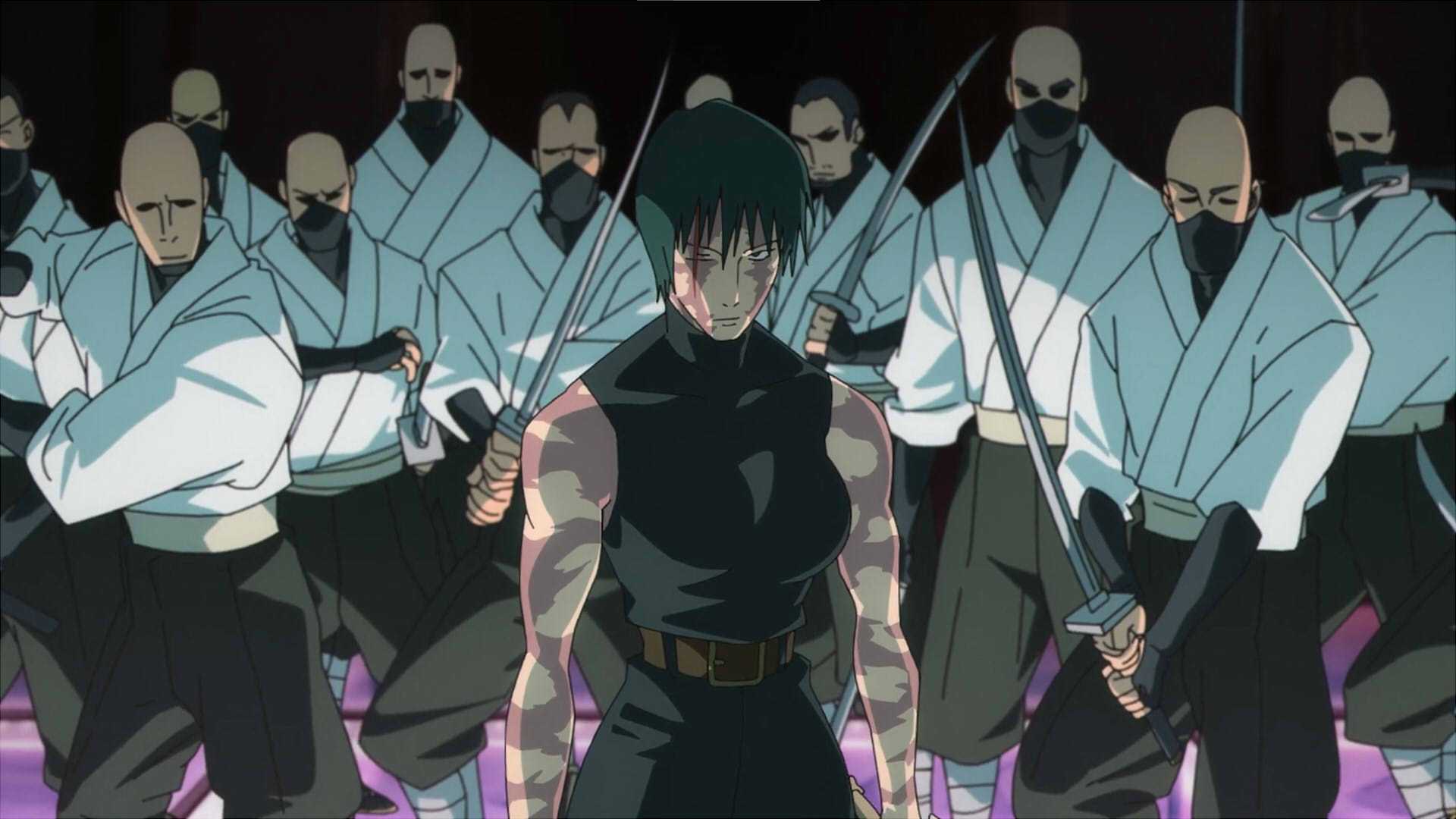 Maki Zenin is surrounded by the Kukuru Unit in JJK Season 3 Episode 5.Image via MAPPA
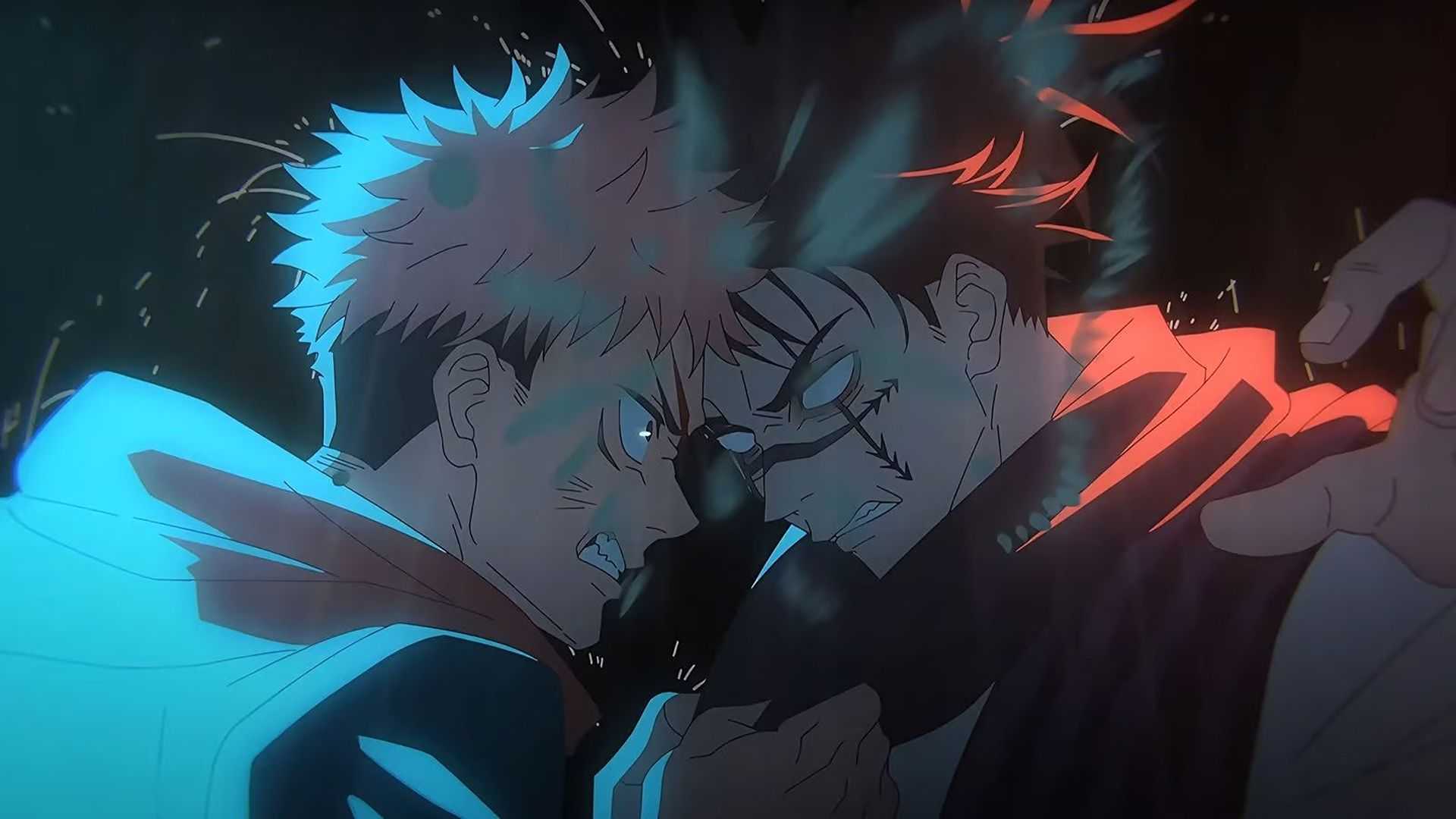 Yuji and Choso face off in Jujutsu Kaisen’s Shibuya Incident.Image via MAPPA
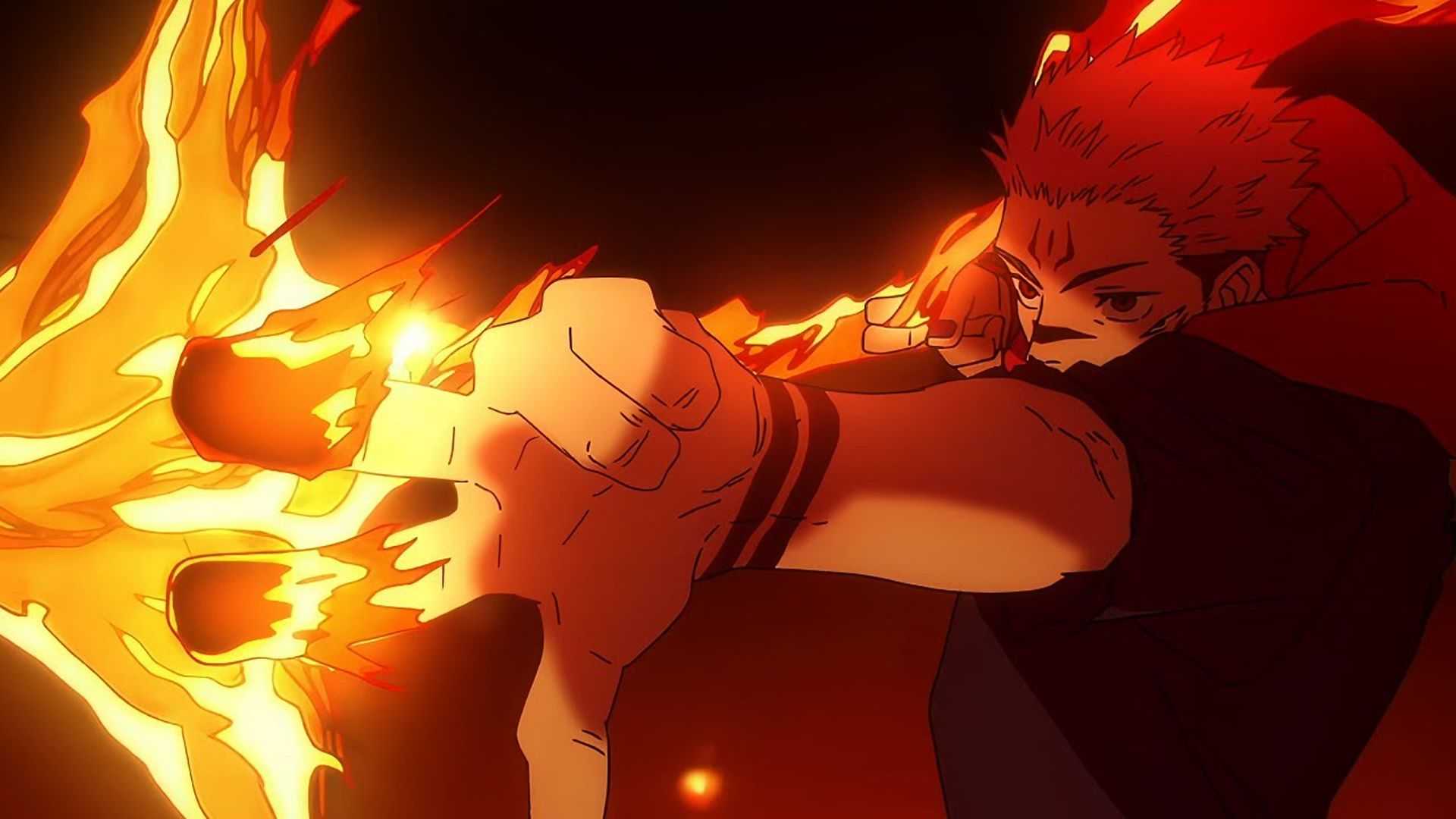 Sukuna aims a flaming arrow at Jogo in Jujutsu KaisenImage via MAPPA
Jujutsu Kaisen can deliver enormous supernatural spectacle, but its real advantage is its fight choreography. Yuji uses the environment and moves like someone whose absurd physical ability has been refined through real combat instincts. Maki uses weapons and positioning, while Toji attacks with ruthless efficiency.
Cursed Techniques complicate things further. A battle can depend on figuring out an opponent’s ability, surviving a Domain Expansion or understanding the exact limitations of a Binding Vow. The result is action that works on several levels at once. Jujutsu Kaisen’s greatest fights are not memorable merely because of scale.
The anime uses strategy, teamwork, positioning and character psychology to its advantage. Solo Leveling has some of the most satisfying action in modern anime. Jujutsu Kaisen has fights that can be satisfying, frightening, tactical and technically astonishing all at once.
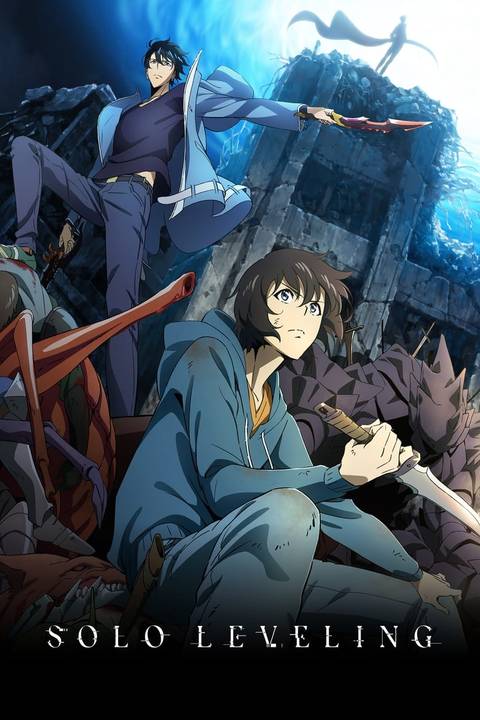
Release Date
2024 – 2025-00-00
Network
Tokyo MX, Gunma TV, BS11, Tochigi TV
Directors
Tatsuya Sasaki, Toru Hamasaki

Genta Nakamura
Yoo Jin-ho