
A clinical psychologist says a breakthrough treatment for Obsessive Compulsive Disorder is having dramatic early results in New Zealand.
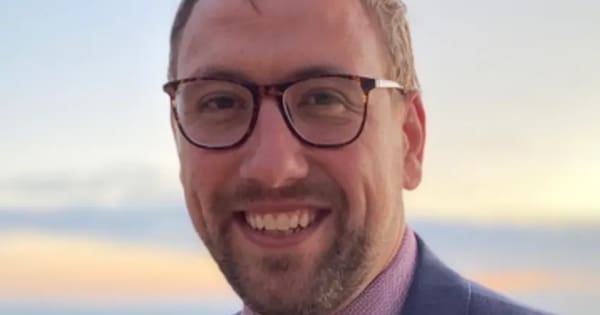
Dr Marthinus Bekker, a senior lecturer at the University of Auckland, is one of the clinical leads for the charity Open Closed Doors, which has brought the Bergen 4-Day Treatment from Norway to NZ.
Bekker says 200 people out of every 10,000 in Aotearoa have OCD. At the same time, less than 10% of those affected have access to treatment. There are significant disparities in access for Māori, Pacific and Asian communities too.
“So many of the people we’ve ended up helping have been turned away from mental health services,” Bekker told Saturday Morning.
“Because we’ve got no specialists, no inpatient, no intensive treatments that were existing in New Zealand.
“And I suppose that’s kind of why Open Closed Doors, the charity we’ve been involved in, came about. Because families were mortgaging their homes to send loved ones overseas at $25,000 a week to intensive treatments.”
Two years ago, Bekker and his colleagues decided enough was enough and formed the charity. They did some research and discovered the Bergen treatment – an intense four-day programme with backing from an unusual source.
“Phenomenally, they had funding from a Norwegian cheese company.
“This trust basically paid for five clinicians from New Zealand to head to Singapore and train with the specialist treatment team over there.
“And so August, September last year in 2025, we went out to Singapore and trained for two weeks. The training’s intensive. It’s actually sitting and watching the treatment done by experts for two weeks. And we were blown away.”

Bekker says he and his colleagues were initially sceptical, because the initial trials were getting 90% positive outcomes, with 9 out of 10 people getting better and 7 out of 10 no longer meeting criteria for OCD by three months.
“By the end of seeing the first week, we walked away going ‘they must have had actors’.
“You don’t often hear those kind of stats coming out of treatments.
“Now we have our New Zealand numbers. We’ve put 51 people through this treatment in New Zealand.
“At three months, we’re at 90% – nine out of 10 people are reducing their symptoms by a third or more.
“And we have selected the most severe, so over a third of our sample is in the extreme category. So our remission rate is sitting at over 50% at three months.”
Bekker says a paper on the first 21 people with OCD they treated will be published soon. While the preliminary findings have not yet been peer reviewed, Bekker is optimistic about the potential impact of the treatment in NZ.
“I was sitting with a family not long ago, with a young person who had not really been able to attend school much, if at all, for quite some time.
“And the day after treatment, it was at school full time.”
Bekker is now looking to the future. He’s hoping the treatment could be delivered by the public health system as soon as the end of 2026.
“We’ve got 170 clinicians saying we want to train in this. But the barrier remains, we’re not sure our service can fund the rollout of this.
“We need our health system to step up and make this happen, to fund it, because the services that we are talking to are so keen.”
People wanting to find out more about the treatment can visit ocdhope.org for more information.