
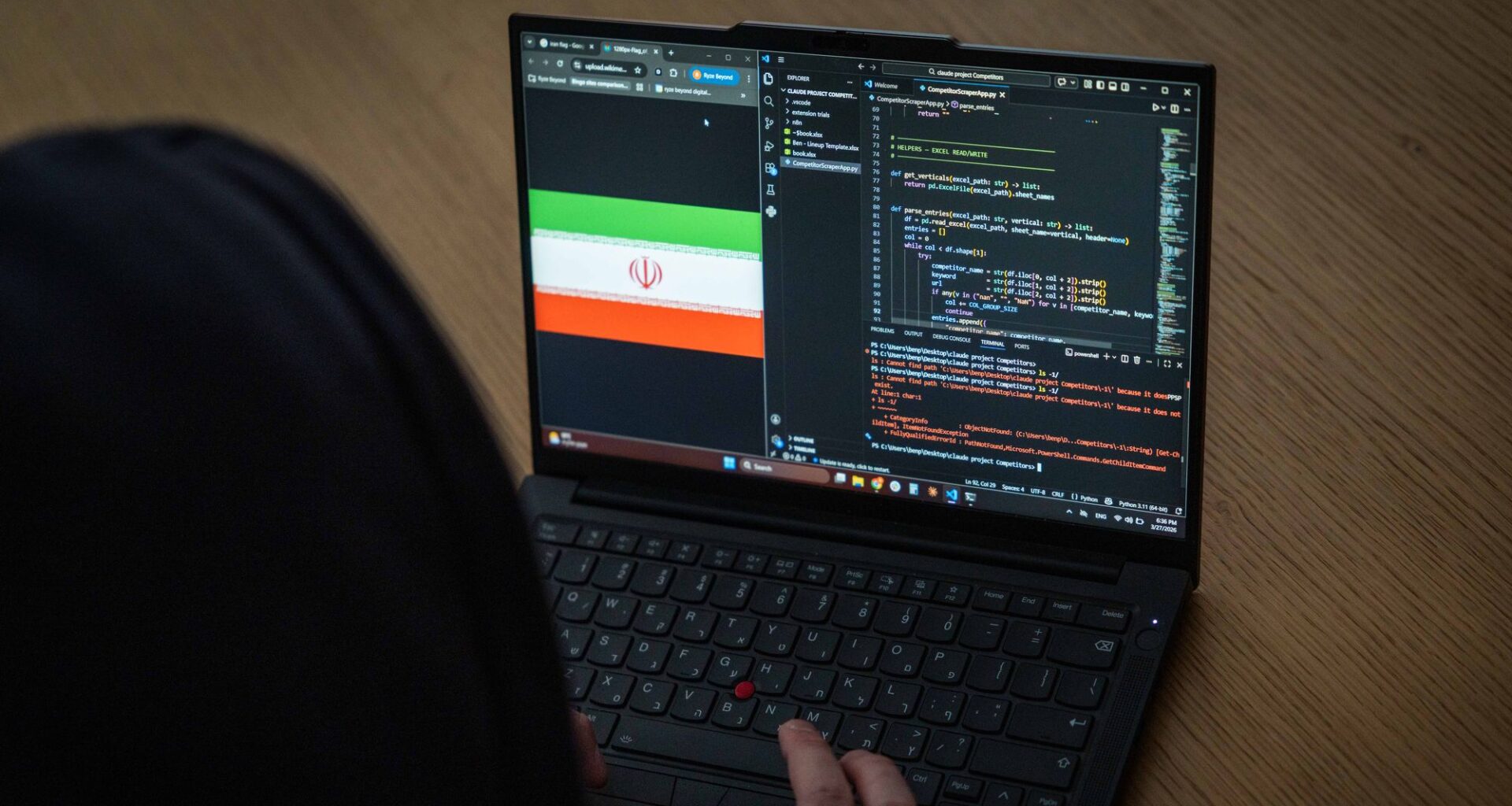
As the Israeli elections approach, cyberattacks against the country’s organizations are seeing a sharp increase, according to a report published Sunday by the Israeli cybersecurity company Check Point. During the first weeks of October, Israeli organizations suffered an average of 2,700 cyberattacks per week, a 55% increase compared to the same period in 2025.
Attacks targeting government institutions jumped by 82%, reaching around 2,300 per week. The energy and infrastructure sector is particularly affected, with a 107% increase and nearly 3,900 attacks per week on average.
According to Check Point, several hacker groups are considering disrupting major Israeli websites on election day, notably through attacks aimed at making them temporarily inaccessible. Among the mentioned targets are the websites of the Prime Minister’s Office, the Knesset, the Israeli police, the Ministry of Foreign Affairs, and the Bank of Israel.
A call to attack the Yashar party’s website has also been identified.
Gafni cyber security
Since the beginning of the month, Check Point claims to have confirmed around 87 cyberattacks against Israel, mainly aimed at making websites unavailable or changing their appearance. The company also notes an intensification of activities by groups hostile to Israel on Telegram and the dark web.
The Iranian group Handala is said to have increased its posts, notably referencing the Israeli elections.
Voters are also targeted by phishing campaigns. More than 1,200 election-related websites were registered in September and October, with approximately one in 47 suspected of being malicious. Check Point specifically cites a fake message inviting voters to verify their details on a fraudulent site designed to collect their personal information.
At the same time, a database purportedly containing the information of 6.5 million Israeli voters is once again being offered for sale on the dark web. These data, stemming from a previous leak, could be used to spread false electoral information.
“The days surrounding the elections constitute a critical period during which malicious actors can exploit public attention to amplify their impact,” warns Sivan Dror, research director at Check Point. The company recommends that citizens verify electoral information through official sources and not share their personal data via unsolicited links.