
Eight weeks of supplementation with Ixoreal Biomed’s SRI-81 Shatavari was also associated with with lower sexual distress and no serious adverse events, according to findings published in the International Journal of Women’s Health.
The study also found that combining the Shatavari extract with Ashwagandha (KSM-66) led to greater overall improvements, which suggested a possible additive effect.
The study’s findings were welcomed by Kartikeya Baldwa, CEO of Ixoreal Biomed Inc. “Sexual wellness is one of the most overlooked areas in women’s health, and it is rarely discussed as openly as sleep or stress. This study adds placebo-controlled data to an area where good evidence has been limited, and the results show meaningful improvements in sexual function, satisfaction and sexual distress over eight weeks,” he said.
“The additional findings from the combination arm also broaden our understanding of how Shatavari and Ashwagandha may be studied together as part of women’s wellness formulations.”
Ayurvedic traditional use
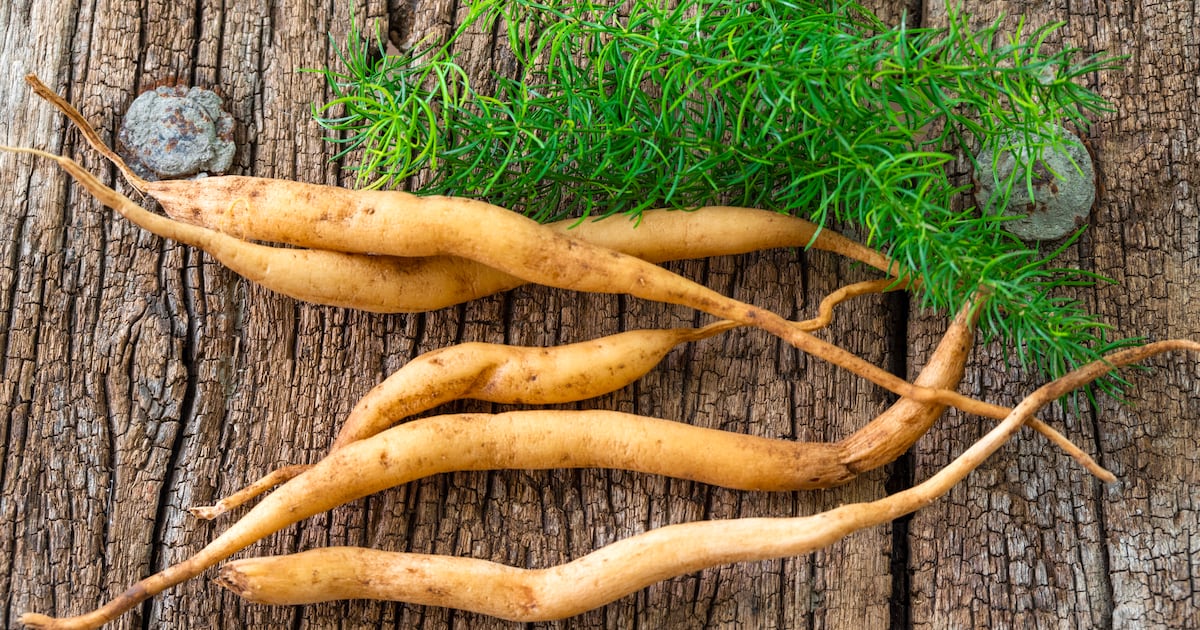
Dubbed the “Queen of Herbs”, Shatavari (Asparagus racemosus) has a long history in Ayurveda. The herb is reported to contain phytoestrogens, compounds known for their weak estrogen-like effects. Previous studies have found that shatavarins, key phyto-actives in shatavari, may interact with estrogen receptors.
According to a 2024 paper in Bioinformation, “Shatavari is an important Ayurvedic herb that has several bioactive phytoconstituents such as various shatavarins which have high molecular weights and large structures.
“The effects of shatavari are well-known in improving female health conditions. Shatavari is known to manage and improve female reproductive health, managing symptoms of menopause, antioxidant effect, anti-anxiety effect, helps in proper lactation and other female health-related aspects,” wrote scientists from Jawaharlal Nehru Technological University-Hyderabad in India.
SRI-81 Shatavari is standardized to Shatavarin IV as well as total shatavarins and is designed to provide science-backed support for women seeking natural solutions during the menopausal transition. The ingredient was launched at SupplySide Global 2025 in Las Vegas.
Study details
The prospective, double-blind, three-arm, parallel-group, placebo-controlled study included 135 women who were randomly assigned to one of three groups: Shatavari (SRI-81. 300 mg per day), shatavari plus ashwagandha (KSM-66, 250 mg per day), or placebo. The doses were based on previously published clinical evidence from women’s health studies that demonstrated efficacy and safety.
After eight weeks, the results showed that the combination supplement was associated with improvements in Female Sexual Function Index (FSFI) scores, including for arousal, lubrication, orgasm, and total FSFI scores, compared to placebo. Sexual distress decreased by 44% compared to 9% in the placebo group.
The shatavari-only supplementation was associated with improvements only in total FSFI score (+34% improvement) and satisfaction (64%), compared to placebo (+20% and +19%, respectively). Moreover, sexual distress decreased by 29%.
“The present investigation’s [shatavari-ashwagandha] combination showed reduced sexual distress at week 4 and week 8 in comparison to the [placebo] group, while [shatavari] alone showed moderate improvement,” wrote the researchers. “These results are significant, as sexual distress in most cases is considered the primary sign for sexual dysfunction.”
The researchers said the results should be interpreted cautiously because of the modest sample size, the short duration of the study, and the reliance on self-reported outcomes.
“Larger, long-term, and well-powered studies are warranted to confirm these preliminary observations and determine their clinical significance,” they wrote.
Source: International Journal of Women’s Health. doi: 10.2147/IJWH.S561213. “Effects of Shatavari (Asparagus racemosus) Root Extract on Sexual Wellness in Women: Findings from a Prospective, Randomized, Double-Blind, Three-Arm, Parallel-Group, Placebo-Controlled Study”. Authors: J. Ademol, et al.