
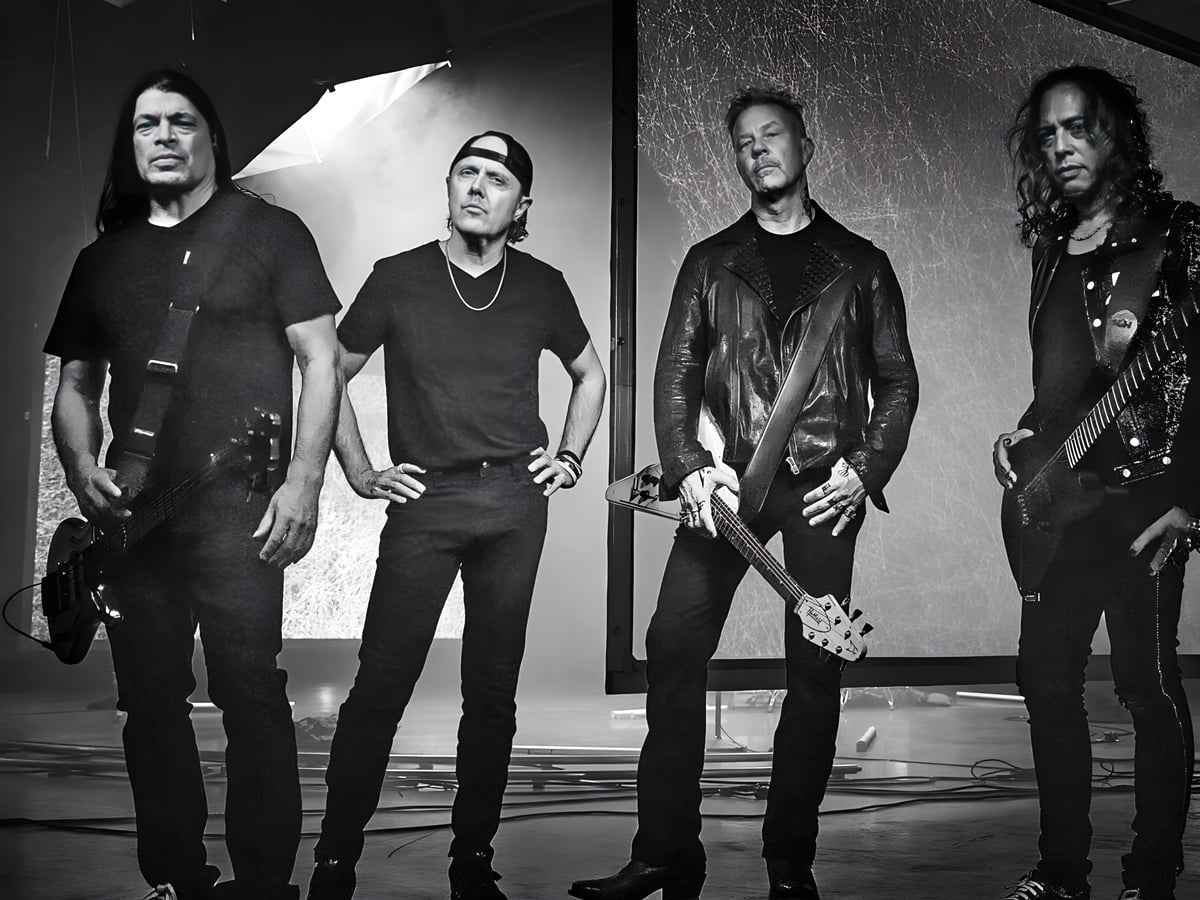
Credit: Tim Saccenti
October 26th, 2026 · 10:00pm GMT
When Metallica first formed, there was no set idea for them to be one of the greatest metal bands in the world or anything.
They were all willing to do whatever they could to get their music out to as many people as possible, but they knew that if the mainstream didn’t take them in, that was fine in their book. They didn’t belong with the other flavours of the day in the 1980s, and the best way for them to keep making strides with their music was to show people what they could do with their hymns of destruction.
Because as much as their songs didn’t fit in the usual radio format, every one of their early records had a lot to say. The classic period of the band was all about stretching things out longer and longer and cramming everything they could into a song, but what was the crazy part was how well their songs wove together. ‘Master of Puppets’ is almost nine minutes in length, but there is never a single part of that song where it feels like they should have trimmed a bit off the record.
Every piece of the song existed for a reason, and a lot of that came together thanks to Cliff Burton. James Hetfield and Lars Ulrich ruled the band with an iron hand, but Burton was always the maverick in the group, always talking about non-metal genres to incorporate into their music. He was a consummate music fan, so it wasn’t out of the question for him to start working on songs that were closer to classical music whenever he came up with his ideas for harmonies.
Any band would have been thrilled to have a secret weapon like that, but right when the band were reaching their creative pinnacle, everything came crashing down in Sweden. Burton’s tragic passing in a bus accident is still one of the greatest tragedies in rock and roll history, and getting someone new out of the woodwork wasn’t something any of them wanted to do at the time. And when they did find a replacement, they didn’t get everything they were hoping for.
Jason Newsted was the best man for the job when he eventually did get the gig, but since he was such a big fan of Burton’s music, there were always going to be moments where the guys got uncomfortable with him being there. They had hired a bandmate, not a fan, and a lot of the resentment and anger that they had over Burton’s passing all seemed to get directed squarely at him whenever he played.
It was bad enough that they lowered his bass on the album And Justice For All, but Hetfield even admitted later that they might have been a little too hard on Newsted during his time with the band, saying, “I think it had to be extremely bittersweet for him, like a dream come true, but I’m stepping into someone’s shoes who can never be filled. It must have been very difficult, and for him and for us, [it] was difficult, it just truly was. All our anger, grief and sadness got directed at him, not all of it, but quite a bit of it. He was an easy target.”
Further reading: From The Vault
The bassist was at least a good sport about it and could take a lot of the ridicule being thrown his way, but there were more than a few moments where he needed to step away. He couldn’t express himself the way he wanted to whenever they made their records, and if he couldn’t get his ideas out in the band, being told that he couldn’t make a side project was the straw that broke the camel’s back for him.
He wasn’t going to get disrespected by the band that he had fallen in love with, and even though he tried everything in his power to make things work, he didn’t want to become a part of one of the things he despised. He lived to create, and that meant having to find the right outlet for him, even if it meant letting go of the millions upon millions of dollars that he was making with the band whenever they performed.
