
It also alleged that there was an incident at one polling station in which a voter “attempted to remove” all of its ballots from the site.
Yisrael Beiteinu, meanwhile, said that one of its voters had reported receiving a partially-opened envelope with a ballot paper for Prime Minister Netanyahu’s Likud party already inside, which it claimed had been recorded in the official record by election staff.
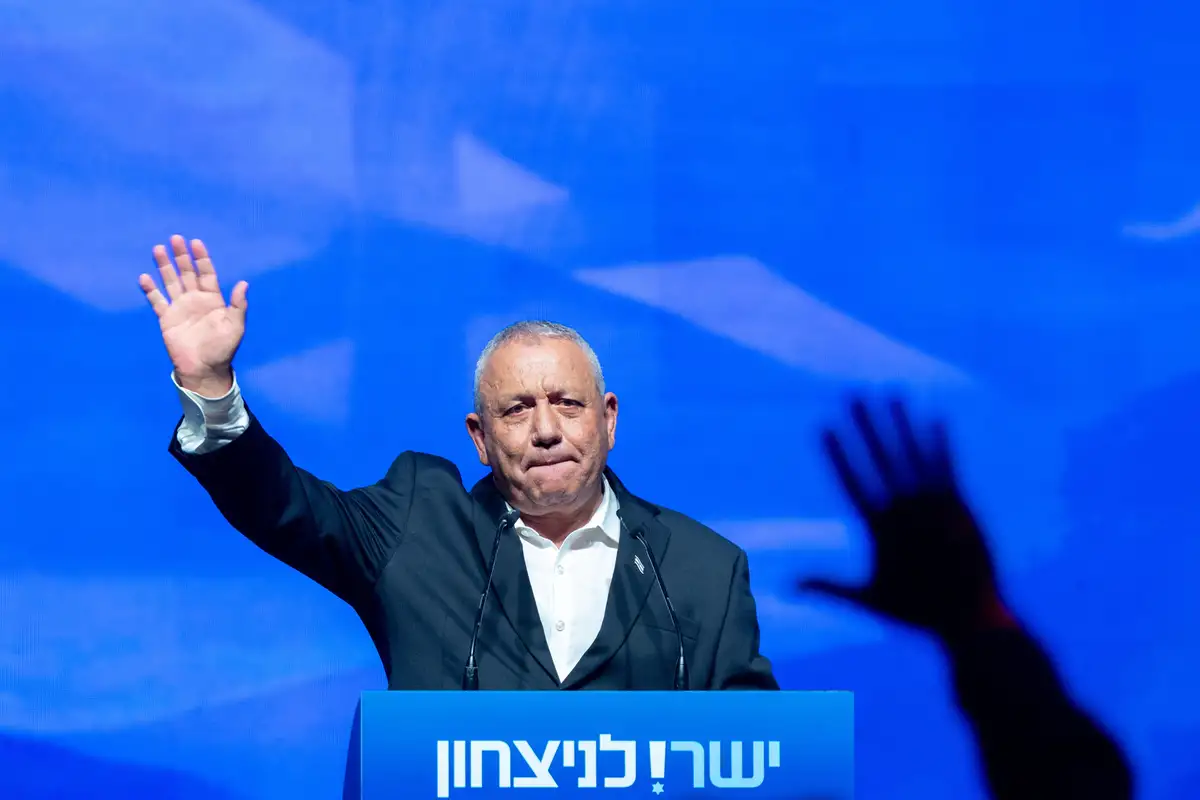
And Yashar made claims of “deliberate damage” and theft of its ballot papers and “extremely long lines” in its expected electoral strongholds, suggesting that access routes may have been blocked to suppress turnout.
A party spokesperson said: “The large number of incidents raises serious suspicions that these are not isolated mishaps, but rather a systematic and deliberate attempt to sabotage the democratic process, prevent citizens from exercising their right to vote and influence the election results.
“Anyone who tries to steal ballot slips is trying to steal the election.
“This is a serious violation of election integrity and the fundamental right of Israeli citizens to vote.”
But a CEC spokesperson said: “Contrary to claims circulating online, there are currently no indications of systematic tampering with ballot slips.”
They also urged voters to rely on the CEC’s official communication channels rather than social media.
Despite the allegations of manipulation, early turnout has been exceptionally strong.
By 10am IST (8am GMT) turnout had reached 16.7 per cent, with 1.2 million votes cast.
This is an increase of nearly a percentage point on the 2022 election, which saw a figure of 15.9 per cent at the equivalent time.
It is also the highest turnout figure at the equivalent time since 1981, when Menachem Begin was re-elected, when 10am turnout stood at 17 per cent.
It subsequently reached 30 per cent by noon.
Elsewhere, the IDF has confirmed that turnout among soldiers had reached 30 per cent by 10am, up five per cent from 2022.
Troops have been able to vote for the past week, including those stationed in Gaza, the West Bank and Lebanon through mobile polling stations.
And diplomatic staff on foreign postings also voted early, with their ballot papers sealed and transported back to Israel for counting today.
Meanwhile, around 70,000 Israeli nationals have flown home from abroad to vote, as the country is one of a handful of democracies that do not allow absentee voting, while half a million young people are eligible to cast a ballot for the first time.