
If a legacy brand, marquee stars and Disney muscle are supposed to guarantee a hit, why is Tron: Ares glitching at launch? The answer may redraw the map for 2025’s biggest bets.
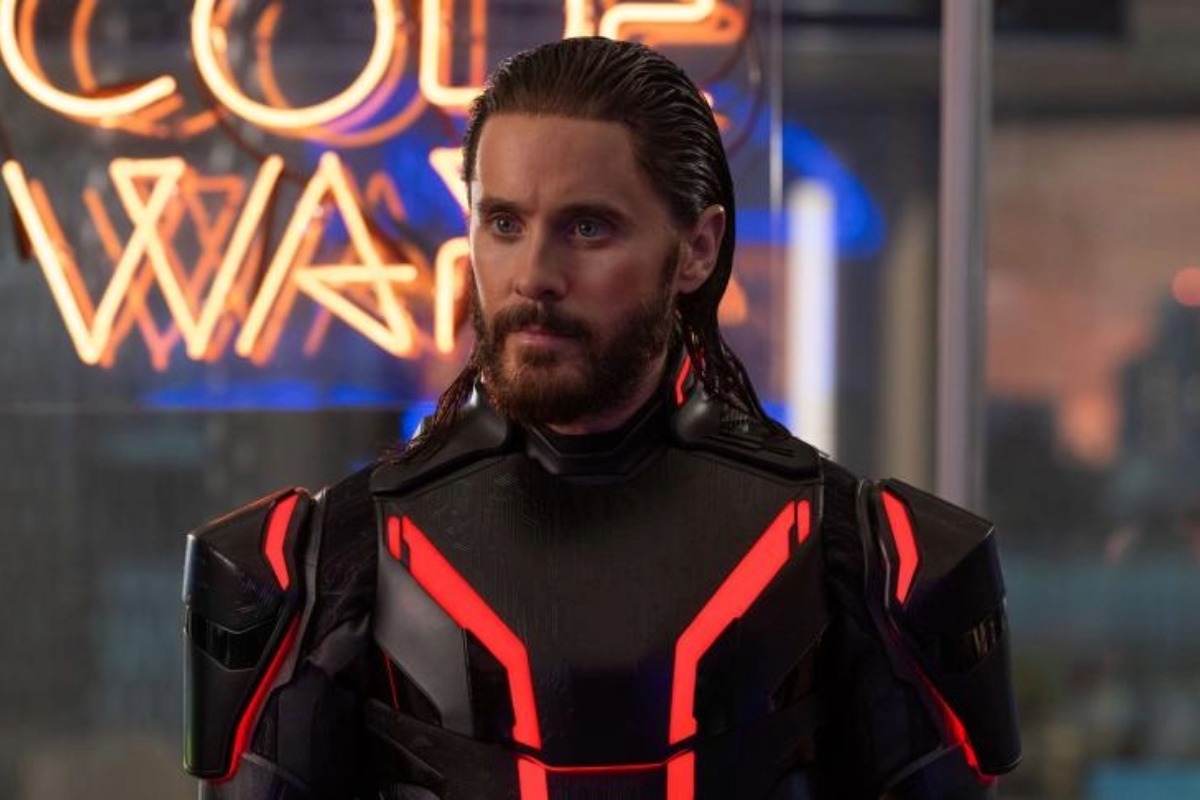
Tron: Ares arrived with a $180 million price tag and a domestic opening of $33.5 million, a gap that has the industry crunching numbers. Headlined by Jared Leto and Greta Lee and directed by Joachim Rønning, the franchise sequel is drawing sharp criticism in the U.S. market. Early chatter already stacks it against the likes of Blade Runner 2049, alongside other 2025 trouble spots such as Blanche Neige, Elio, and Mickey 17. Beyond one film’s fate, the performance feeds a wider conversation about Disney’s bets and who still shows up for big-screen sci-fi.
The rocky debut of “Tron: Ares”
Released with high expectations, “Tron: Ares” entered theaters to a tepid $33.5 million domestic opening, far below projections. This underwhelming start positions the sequel to the beloved “Tron” franchise as an early contender for the list of major cinematic misfires of 2025. Despite the pull of nostalgia, this new visit to the Grid is struggling to entice audiences.
High stakes, low returns
With a production budget of $180 million, the stakes were already high for Disney’s ambitious project. Directed by Joachim Rønning and featuring stars like Jared Leto and Greta Lee, “Ares” aimed to reignite a brand last shepherded by Joseph Kosinski’s “Tron: Legacy” (2010). While “Legacy” earned cult status despite mixed reviews, the latest installment faces sharper scrutiny from the outset. Comparisons to “Blade Runner 2049” are inevitable, given its slow-burn redemption, but such a turnaround appears unlikely at this stage.
Why isn’t it connecting?
Critics point to a familiar imbalance. Many describe the film as visually striking but narratively hollow, a charge often leveled at franchise blockbusters that prioritize spectacle over storytelling. The choice of Jared Leto as a lead also divides viewers: some praise his intensity, while others argue the casting may have alienated segments of the audience. These factors compound into a reception that feels cautious rather than enthusiastic.
A broader trend of trouble at the box office
“Tron: Ares” is not an isolated case. Predictions for other 2025 releases, including Disney’s “Blanche Neige” and Pixar’s “Elio,” forecast headwinds for mainstream appeal. The combined effects of the COVID-19 era, shifting viewer habits, and dependence on legacy IP have reshaped expectations across the industry. Even with cutting-edge craft, big-budget projects increasingly struggle to align with a transforming market.
The uncertain future of “Tron: Ares”
The “Tron” series, known for neon-lit vistas and philosophical undertones, has long inspired mixed reactions. As “Ares” fights to gain traction, its long-term prospects remain unclear within the broader health of the franchise. For now, the numbers speak louder than expectations, and 2025 is shaping up as a cautionary tale for ambitious sequels.