
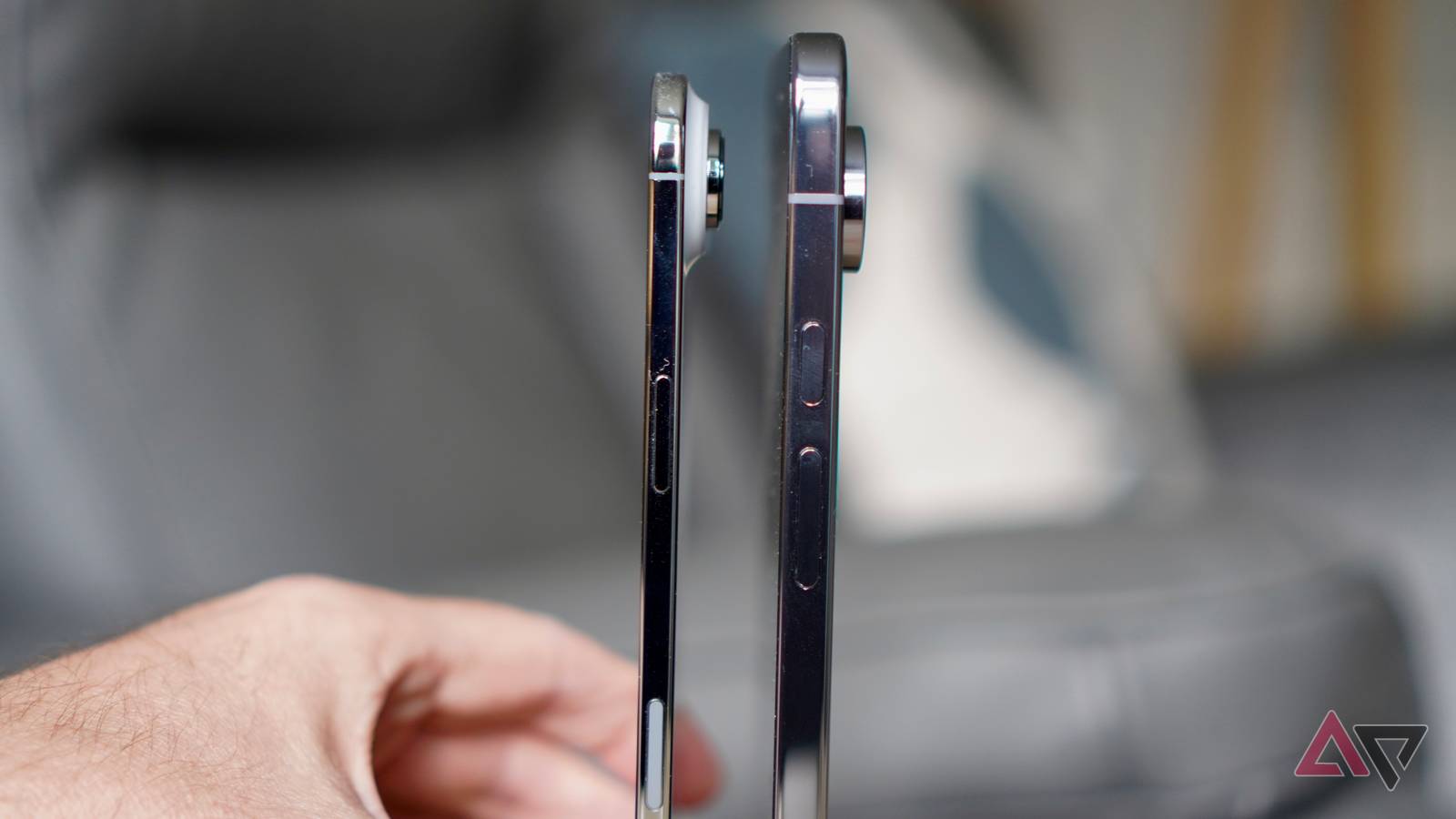
Thin phones are brilliant. I wasn’t sure until I spent a few weeks with the Samsung Galaxy S25 Edge earlier this year, and now that I’ve used the Apple iPhone Air for the past few days, I’m completely convinced.
I’m using the iPhone Air alongside the Google Pixel 10 Pro XL, and its (comparatively) chunky fullness means that right now, I’d do anything for a Pixel 10 Slim.
Hyperventilating at the very thought? Calm down, and let me explain.
Confusion has led to dismissal
The wrong message
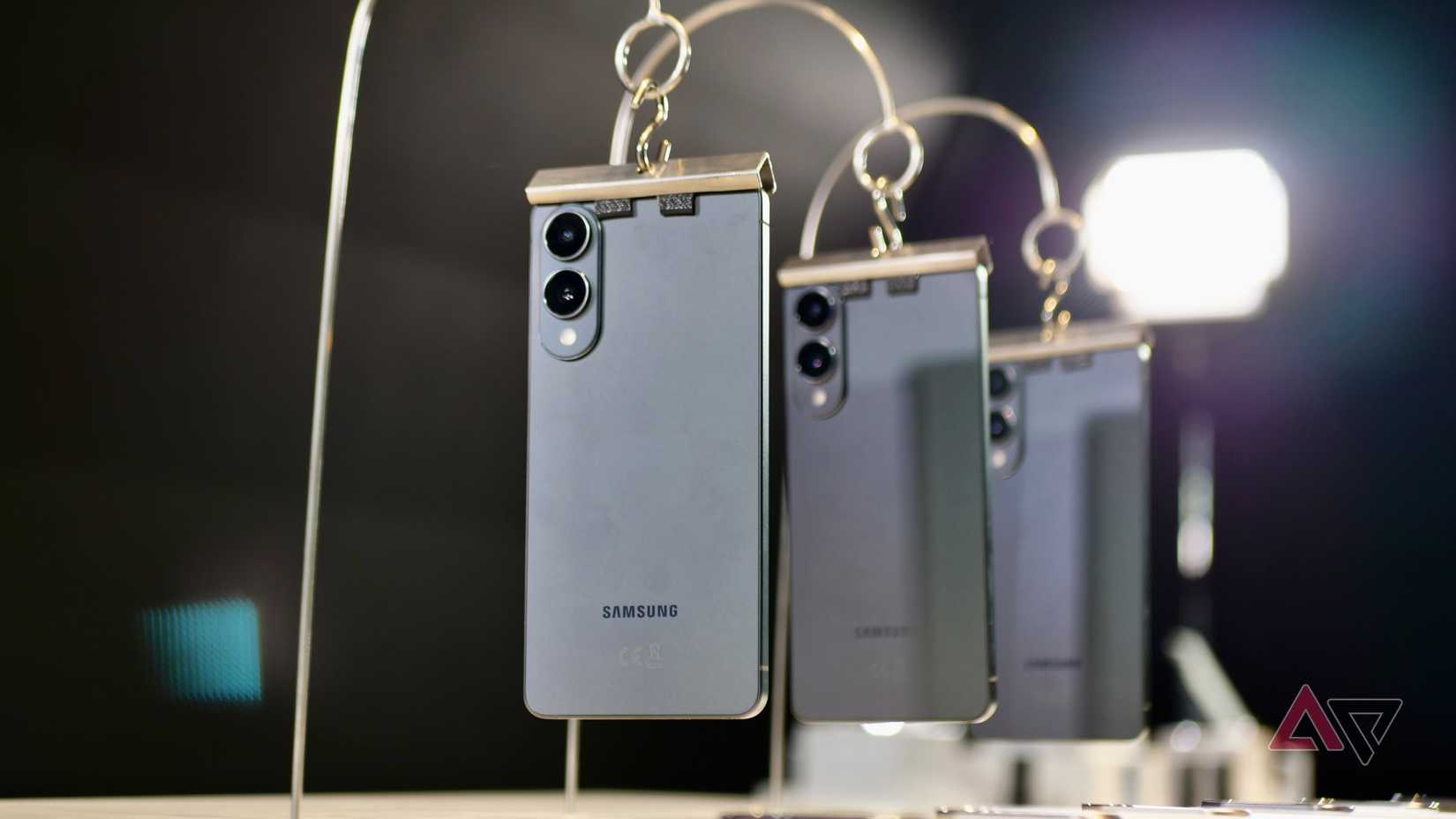
The Galaxy S25 Edge has not been a sales success, and reports are spreading about it being discontinued by Samsung and shelving plans for a Galaxy S26 Edge.
It’s a real shame, but not that surprising, just not for the reasons you may think.
Samsung was its usual desperate self before the S25 Edge’s release, as it was really keen to beat the iPhone Air onto store shelves.
It’s not the first time it has rushed products to beat its rival, with the Galaxy Watch 5 Pro’s failed rebrand and even the Galaxy Ring, both being recent examples of poorly thought-out Samsung hardware releases.
However, the Galaxy S25 Edge isn’t a bad product, but it does have terrible marketing, and Samsung didn’t promote its true benefits effectively enough.
I’ll come back to this in a while, but first, we’re going to talk about the iPhone Air, because it directly relates to the S25 Edge’s problem.
The iPhone Air is a delight
A joy to hold
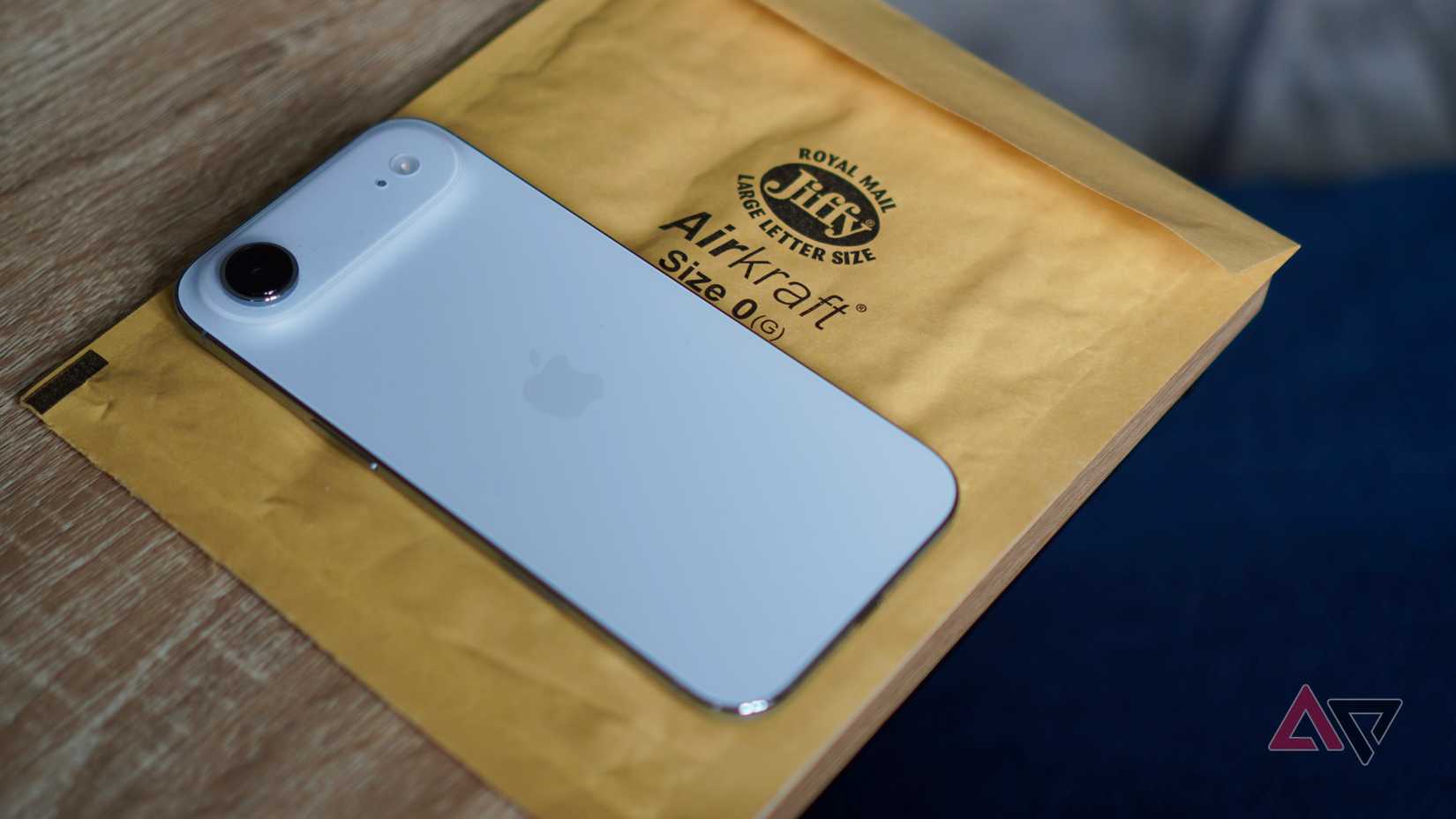
The Air name has a history with Apple already, and it’s very fitting for the thinnest iPhone ever made. The 165-gram weight and 5.64mm thickness make the phone an absolute joy to hold and carry around.
I simply don’t notice it’s in my pocket, I can easily use the phone with one hand, and I adore the futuristic style.
The 6.5-inch screen is sized just right, and it sits seemingly flush with the Ceramic Shield 2 glass. This, combined with its wide viewing angles and the thinness of the frame, makes it look like the phone is only made of the screen.
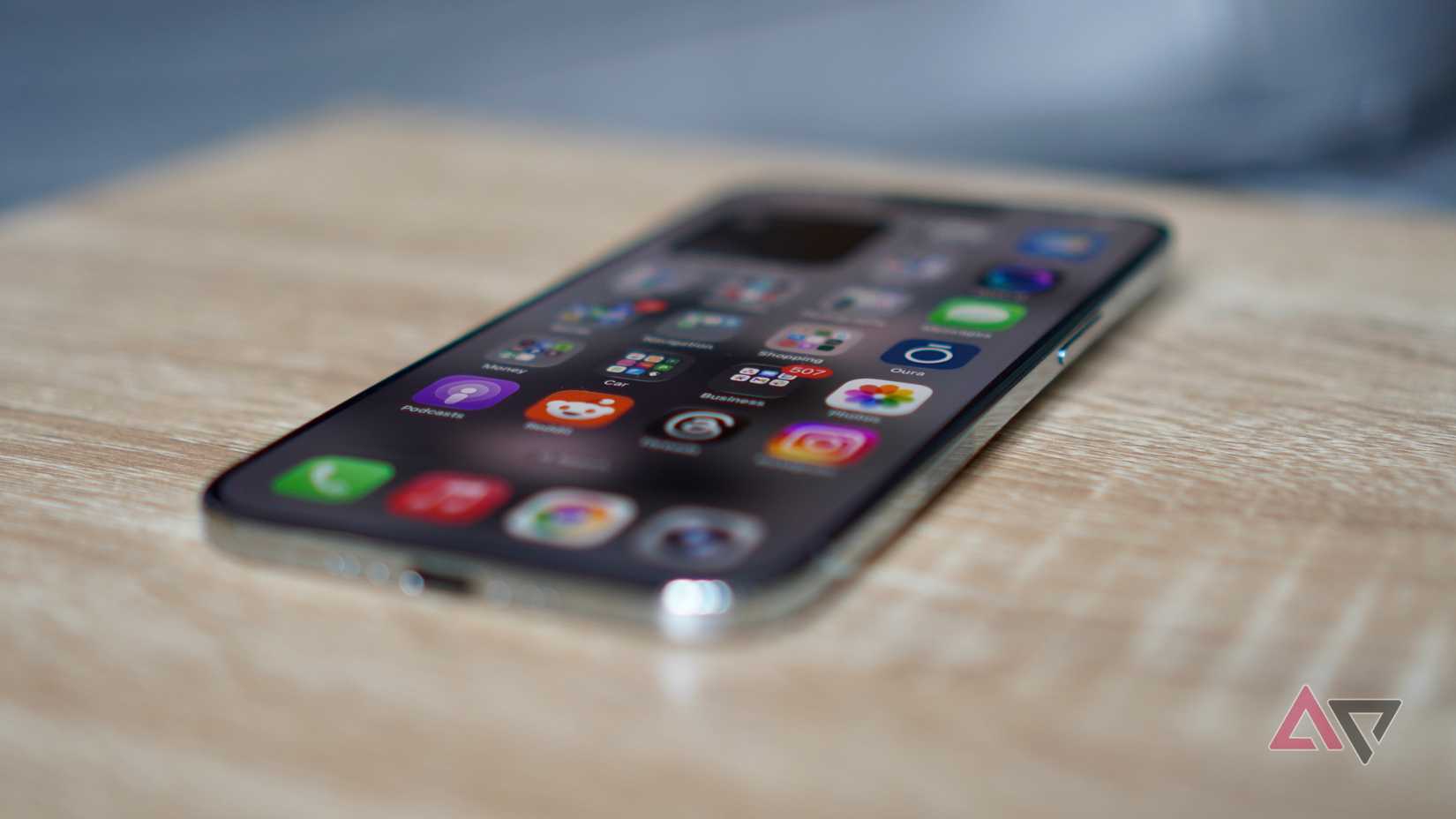
I love that. Phones never look futuristic anymore, but the iPhone Air succeeds because it wouldn’t look out of place being used in any stark, clean, Space Age sci-fi movie.
In white, this modern, high-tech style is only emphasized.
It’s not just a phone, it’s an accessory to your lifestyle. A product you’ve chosen because of its appearance as much as its functionality. It’s the smart ring of smartphones.
Apple succeeds where Samsung fails
But not in hardware
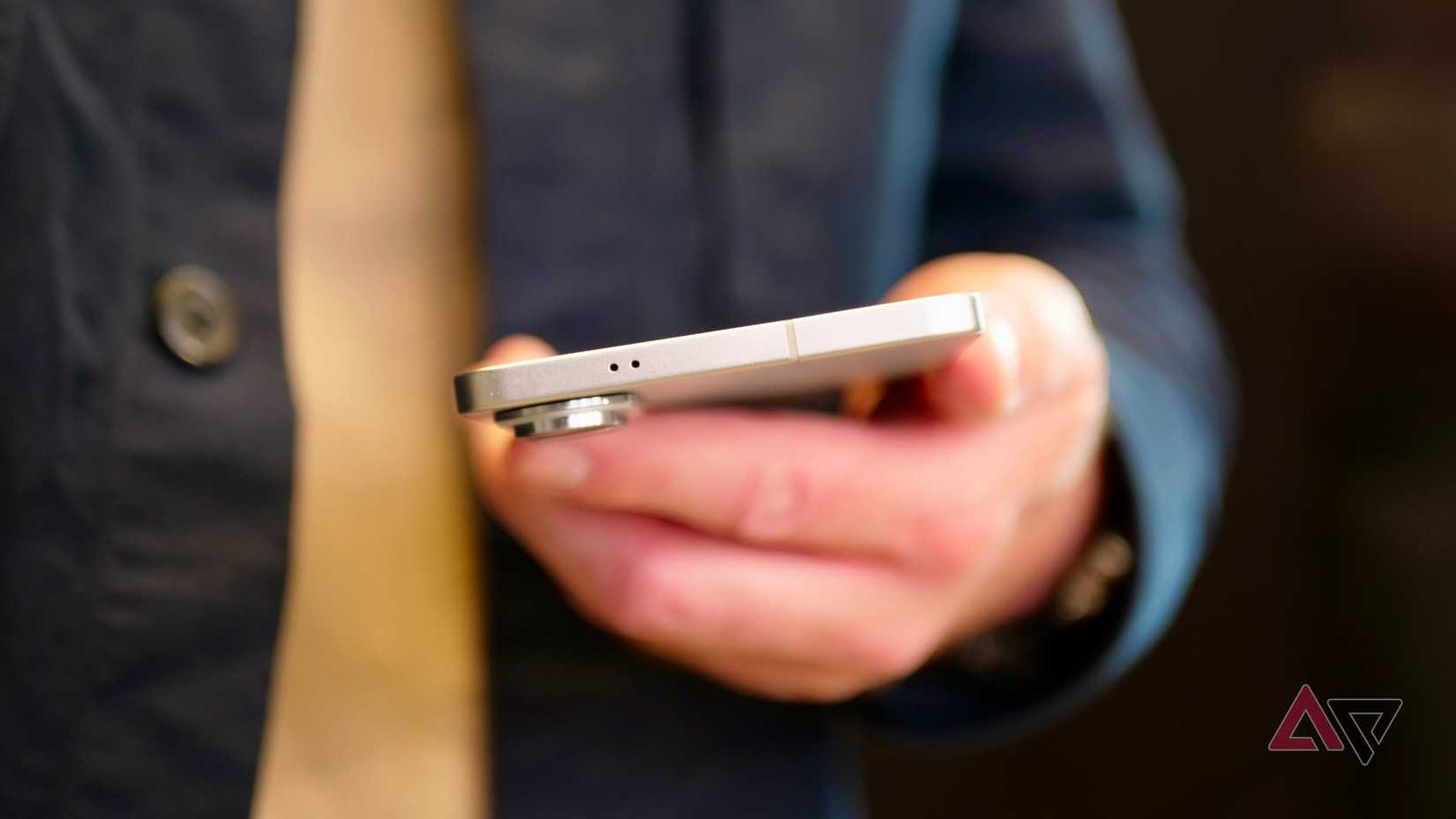
The thing is, all this is true about the Galaxy S25 Edge, too. You can also use it with one hand, and it isn’t a chore to carry around. Although it’s not quite as cool as the iPhone Air, it’s certainly no ugly duckling.
It’s here where the marketing, messaging, and brand awareness come into play.
Apple’s aesthetic fits perfectly with the iPhone Air. We’re all used to associating it with clean design, whether that’s through a 7th-generation iPod Nano or its retail stores with the trademark glass staircases.
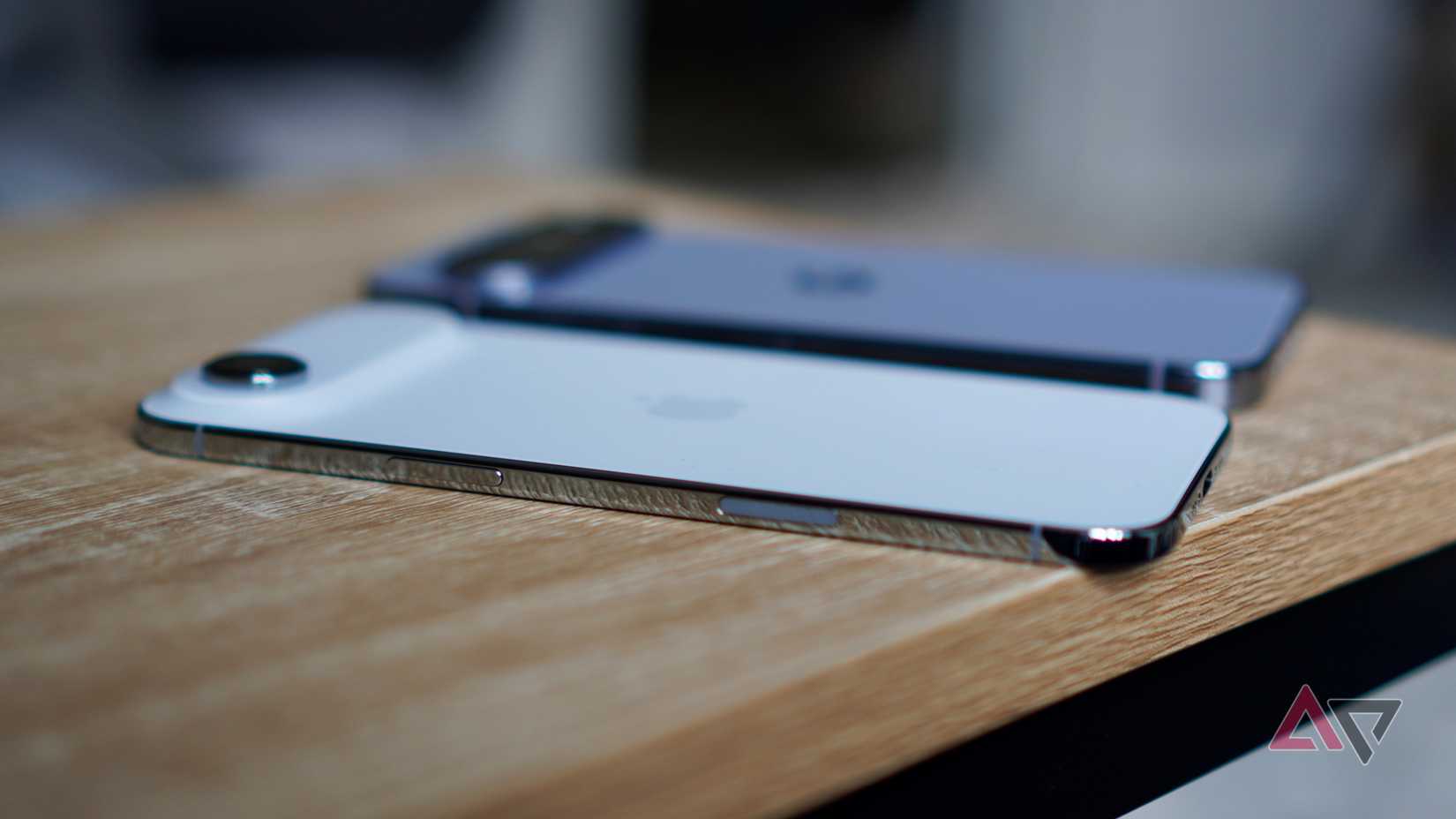
Samsung doesn’t have that same association. It’s not bad at design, but it’s hard to say it has ever nailed an iconic look or crafted an established design language.
Often, it turns to designers like Thom Browne to jazz up its mobile hardware. Again, not a bad thing, but evidence that it sees its own designs as lacking, and lacks the know-how to fix it.
Thus, the Galaxy S25 Edge was sent out into the world with the powerhouse S25 Ultra and the mainstream-friendly Galaxy S25 for company, and buyers of neither put design and aesthetics high on the list of essentials.
Samsung did make an effort to tell people the phone puts design first, but its core audience either didn’t get it or didn’t care.
Familiarity brings acceptance
The more the better
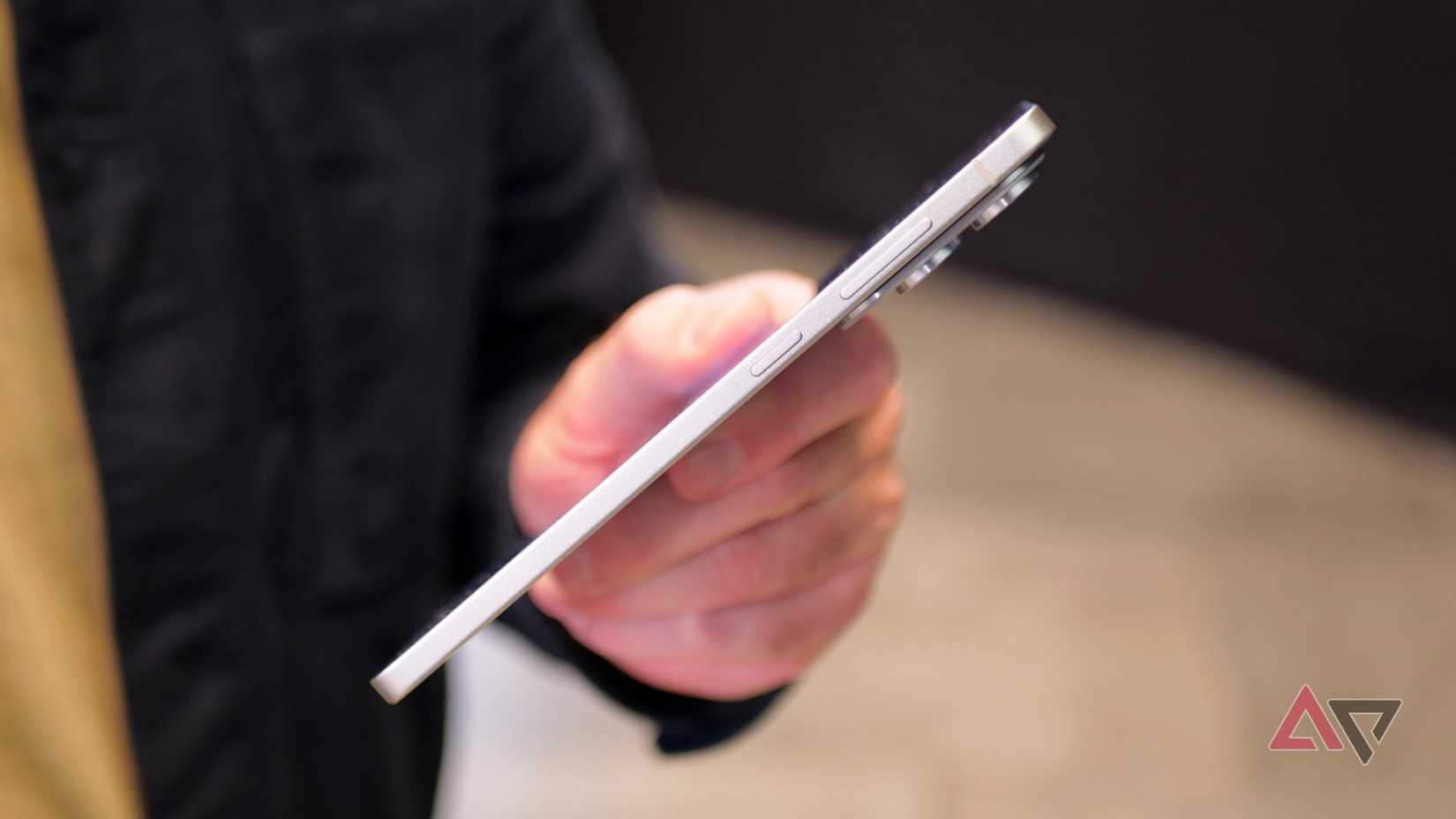
This is why the Galaxy S25 Edge may not have succeeded, and why more people will enjoy the iPhone Air.
Anyone lamenting the S25 Edge’s battery life likely hasn’t used the phone. When I reviewed it, the battery was perfectly acceptable if all you need is a day’s worth of power.
It’s not meant to be a battery monster, and those who expected it to be were being a bit silly. You don’t buy a two-seater sports car and expect to carry four people.
Both the Galaxy S25 Edge and the iPhone Air put style, convenience, and aesthetics over power-user-friendly battery life and cameras.
There’s undeniably a market for this kind of device (I know, because I’m one of them), but the core message needs to be shouted loud and clear by brands that aren’t usually linked with stellar design.
The more companies that do so, the more people will understand the advantages offered by the latest wave of thin smartphones, because after a day or so with both the Pixel 10 Pro XL and iPhone Air, I’d love a thinner Pixel.
Pixel 10 Slim, please
Join the club
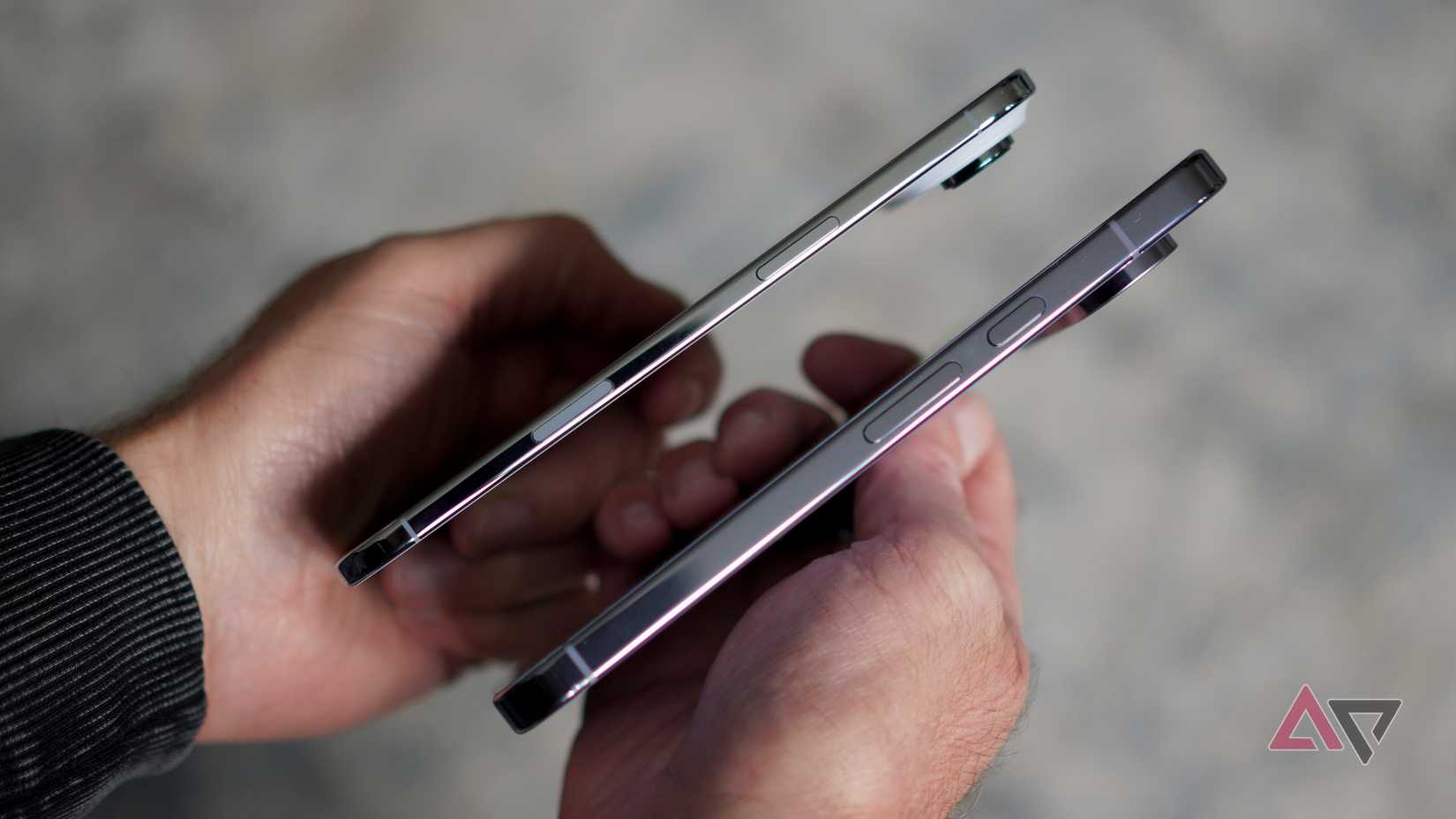
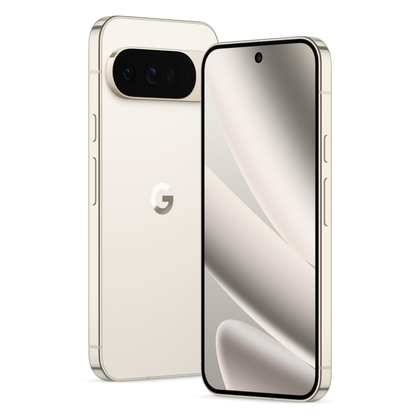
The Google Pixel 10 Pro XL is 60 grams heavier than the iPhone Air and 8.5mm thick. It’s a big, brutish block by comparison, with ergonomics that don’t instantly lend themselves to casual, everyday use.
I’ve longed for a Pixel phone with the same dimensions as the Air or Edge, so I could enjoy Google’s best version of Android yet without all that XL bulk.
I know, you’ll be shouting about how you use the Pixel 10 Pro XL every day without a problem.
Yes, so do I normally, but it’s only when you use a thin phone that you realize where improvements can be made, how pleasing they are, and for some, how those changes will make a big phone more accessible.
I’ll take a Pixel 10 Slim because of those aspects, and not despite the inevitable downsides.
It’s all about priorities, and thin phones are getting passed over because more people prioritize battery life over design. They’re not wrong, but neither is anyone who gets the advantages of a thin phone.
Giving up now is a mistake
More thin phones are coming
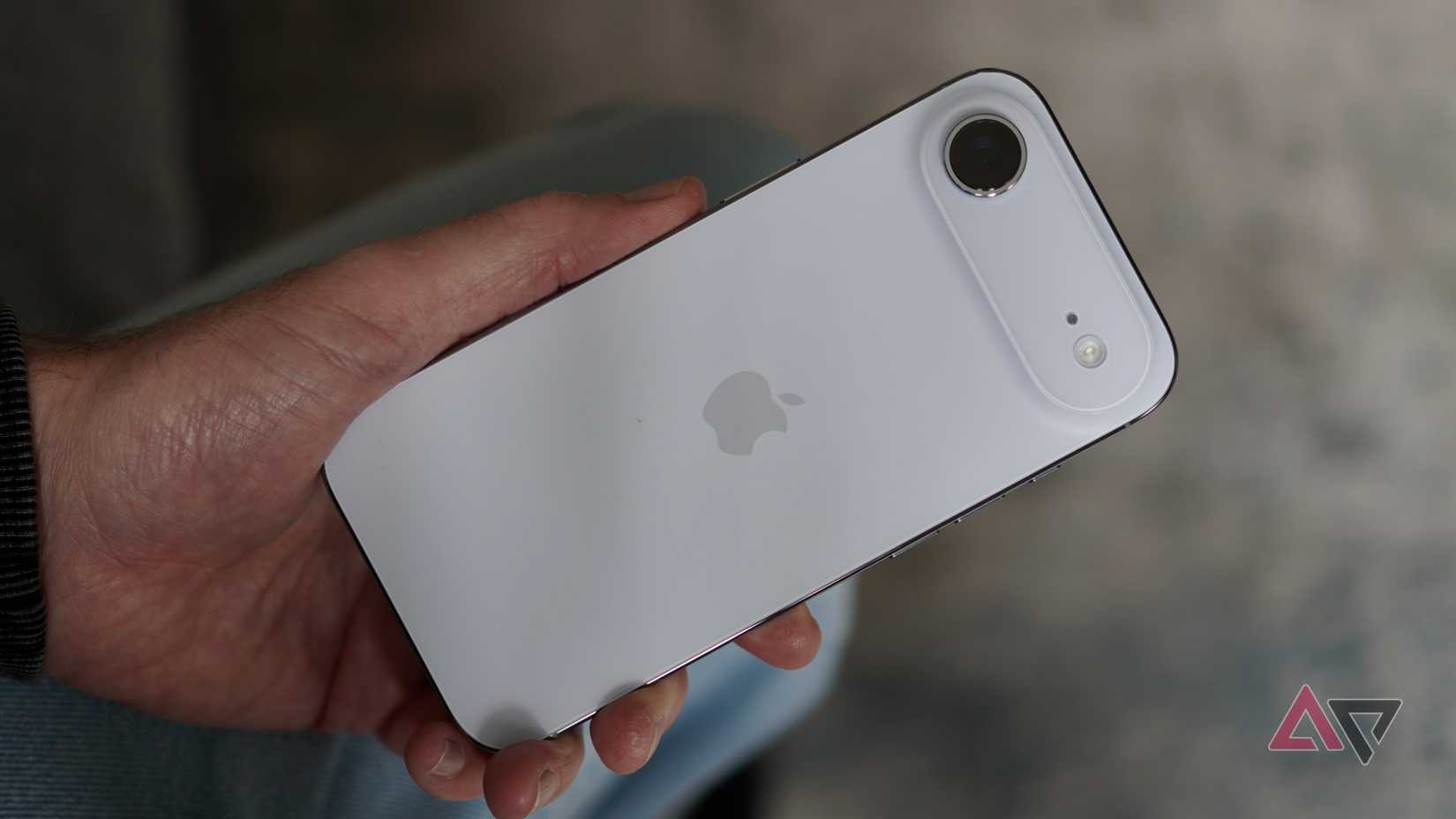
While some may point to the S25 Edge’s failure to make an impact as a reason not to make another one, I think it’s the opposite.
Samsung wanted to be first, and it has paid the price.
The hard truth is the world needed Apple to make a desirable thin phone before others could do the same, almost solely because it has the right brand associations to sell the message and help educate buyers on why such a phone needs to exist.
Had Samsung waited, I think things would be different for the S25 Edge.
What’s more, there’s no sign of the thin phone craze ending, with Huawei linked to an upcoming thin phone, and Motorola already hyping up its own entry into the genre, the Moto Edge 70.
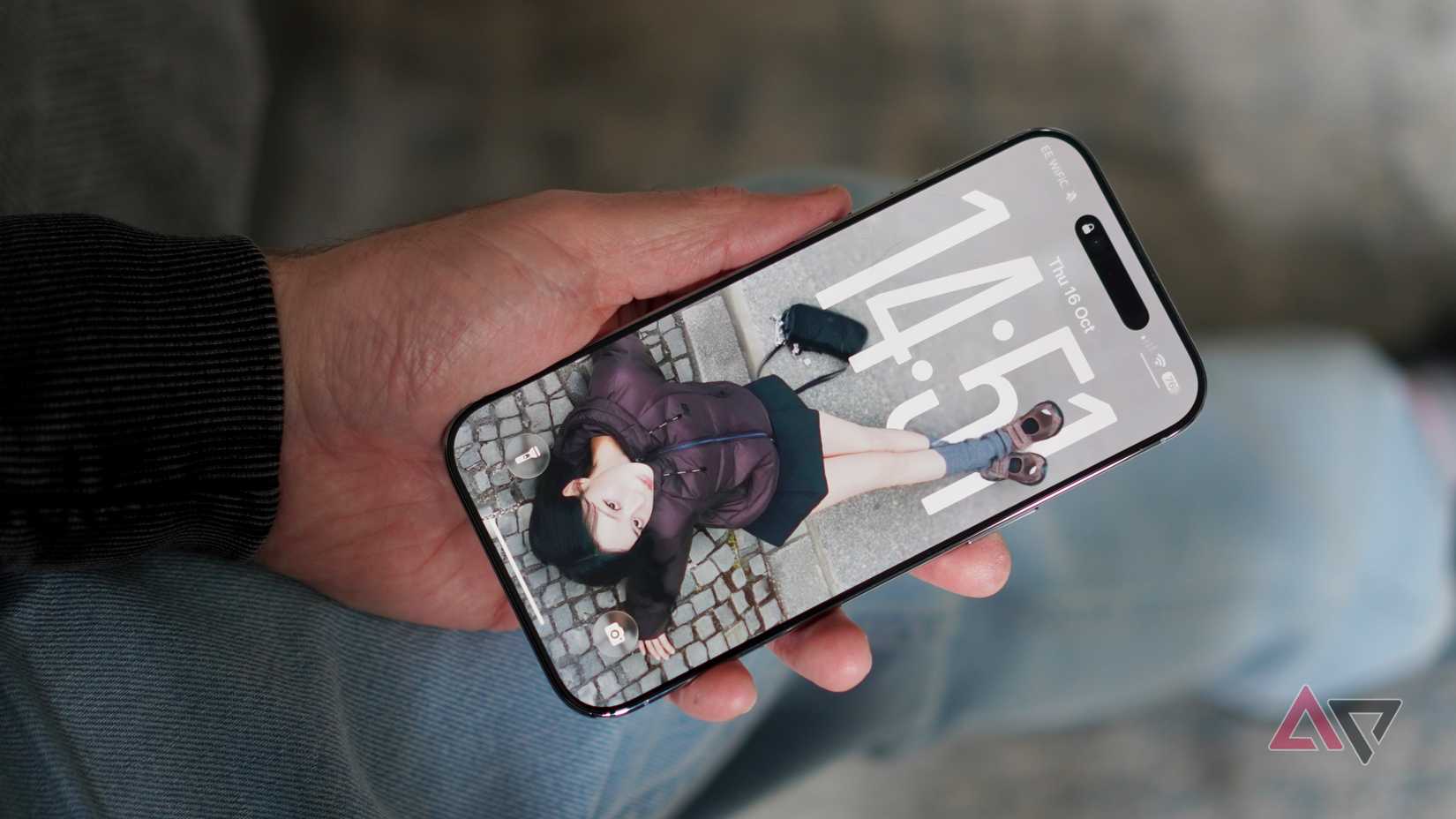
The iPhone Air is a simply stunning piece of hardware, and it makes the Pixel 10 Pro XL feel like a design relic.
The solution is for a Pixel 10 Slim to launch alongside the Pixel 10a in early 2026. As for Samsung, abandoning the Edge line completely will only underline its failure.
As more thin phones arrive, more people will start to understand what they are, and how they can make life with a big phone more enjoyable.

9/10
SoC
Google Tensor G5
Display type
Super Actua
Display dimensions
6.8-inches
Display resolution
2992 x 1344