
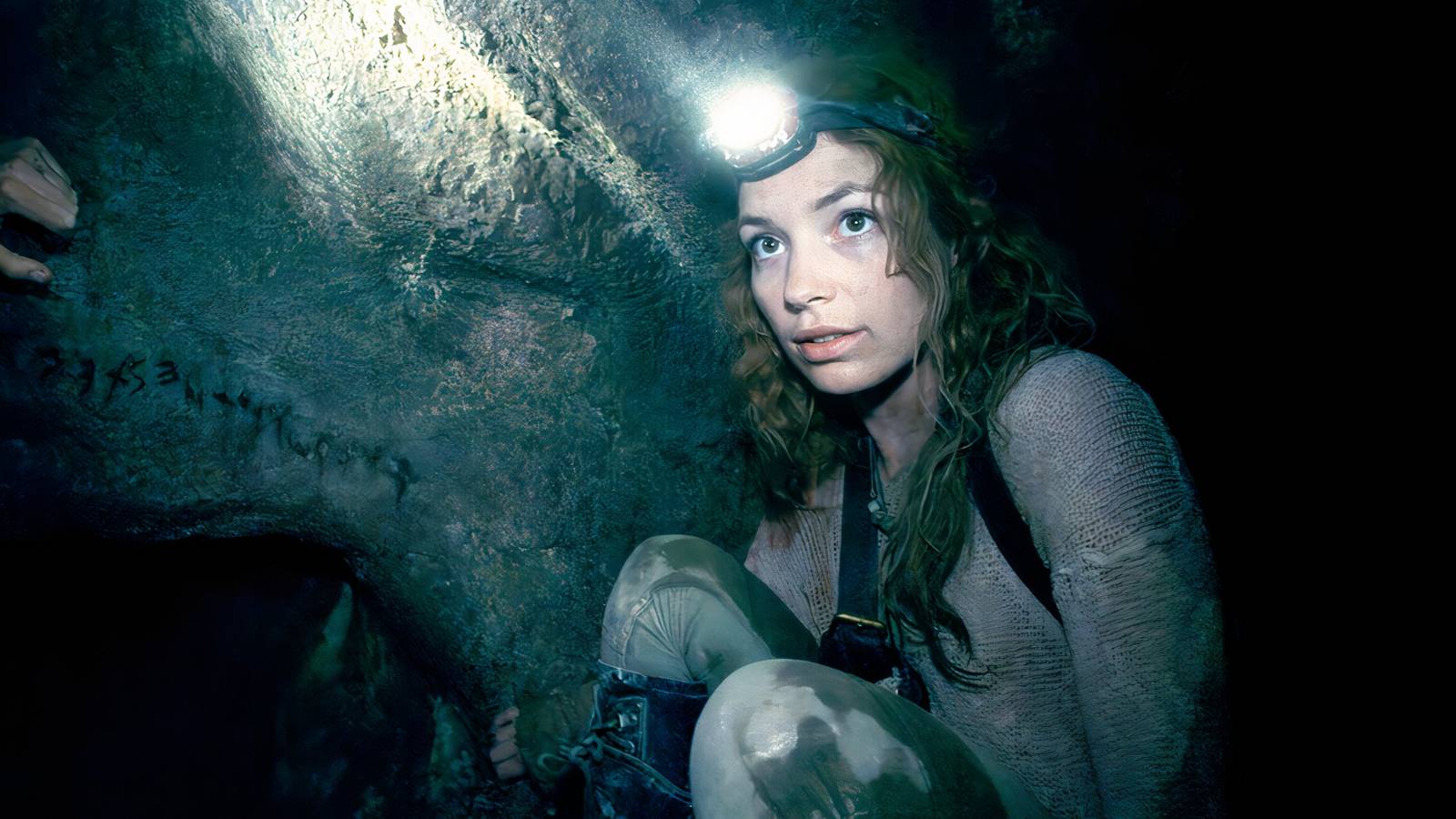
The found footage subgenre of horror has always been a divisive talking point among fans. Viewers tend to embrace or hate the shaky camera work and reliance on atmosphere over outright scares. For even the most devout found footage lovers, some releases manage to slip through the cracks due to the sheer number of them. Released in 2014, As Above, So Below is an entry that is often overlooked after being quickly dismissed by critics at the time. Oddly enough, even though As Above, So Below arrived in the theaters during a time when found horror footage was losing some momentum, the movie saw some box office success. Sporting a modest budget of 5 million dollars, the film grossed close to 42 million worldwide, which is a nice return. That is one of the advantages of the subgenre, as they can typically be filmed for much less money.
Despite the decent return, the movie was buried under a wave of lukewarm reviews after its streaming release. The mid-2000s were dominated by found-footage juggernauts like Paranormal Activity, and a bit of fatigue was setting in, leaving little room for films that were attempting to do something new with the format. As the years have passed, hindsight has been kinder to As Above, So Below. 11 years later, audiences have begun to take notice of the movie for its inventive and ambiguous premise. The project combines a unique setting with a mash-up of psychological horror and symbolism that stands out among some of the other found-footage offerings of the time. In retrospect, As Above, So Below stands out because it tries to take the subgenre on a different route and is a perfect watch for the upcoming Halloween season.
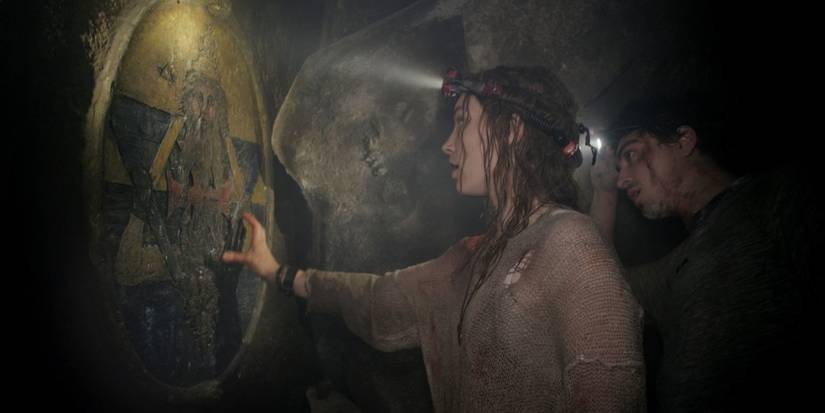
Perdita Weeks in As Above, So Below.Image via Universal Pictures
Directed by John Erick Dowdle, As Above, So Below opens by following the journey of Scarlett Marlowe, portrayed by Perdita Weeks, as she explores a cave system in Iran in search of an artifact known as the Rose Key. Scarlett’s father was a professor who dedicated his life to studying alchemy and searching for the famed Philosopher’s Stone. Scarlett is motivated to continue her late father’s work, which had led her to seek out the Rose Key, as it functions as a guide to help one decode an alchemical cipher said to lead to the Philosopher’s Stone. Her obsession is academic and deeply personal, which serves to drive the story forward. After discovering the Rose Key, the cave system begins to collapse, and Scarlett barely escapes. She brings the Rose Key to Paris in order to have her former colleague George, portrayed by Ben Feldman, translate it.
Using the cipher, George and Scarlett decipher that the location of the stone is deep within the Paris catacombs. To help them navigate the restricted areas of the catacombs, Scarlet employs a group of explorers to act as guides. Alongside camera operator Benji, the group descends into the catacombs with all the necessary equipment to begin their expedition. This is where As Above, So Below diverges from many of its found-footage horror contemporaries.
Paranormal Activity built its reputation on watching small disturbances slowly escalate, while V/H/S thrived on short bursts of scares captured on grainy tape. By contrast, As Above, So Below focuses more on existential dread. What begins as a treasure hunt quickly evolves into a nightmare filled with esoteric symbolism. The Paris catacombs do much of the work early on. This setting isn’t a nameless haunted house or distant wooded area, but a real-world location shrouded in its own legends.
On the surface, the structure fits those found in other found footage films, such as the revolutionary The Blair Witch Project and the 2011 supernatural horror hit Grave Encounters. A group of friends ventures into an unknown and potentially haunted place and documents their adventure along the way. That’s where the majority of the similarities end with As Above, So Below. The environment shifts from the claustrophobia-inducing tunnels to ancient burial chambers and Hell itself. The scares are not surface level, with the group’s descent mirroring an allegorical journey reminiscent of Dante’s Inferno. As Above, So Below borrows enough elements established by its found footage predecessors to feel familiar while adding its own flair. The deeper they go beneath Paris, the more they descend into their own guilts and fears.
The horror in As Above, So Below is both external and internal, which makes it hit that much harder. Critics dismissed the film’s use of symbolism as messy, but fans now recognize the movie’s willingness to take storytelling risks as adding to its charm. Wes Craven once said that horror films don’t create fear; they release it, and As Above, So Below does just that. The movie leans into the idea that true terror often comes from what people carry with them. The claustrophobic nature of the catacombs and the endless dark serve to unsettle the explorers and the audience, but each character contains a psychological element that hinders them in life, and the setting slowly draws it out. The psychological horror element is just as prominent as the scares the setting provides.
As Above, So Below Uses Its Characters’ Flaws to Create Horror
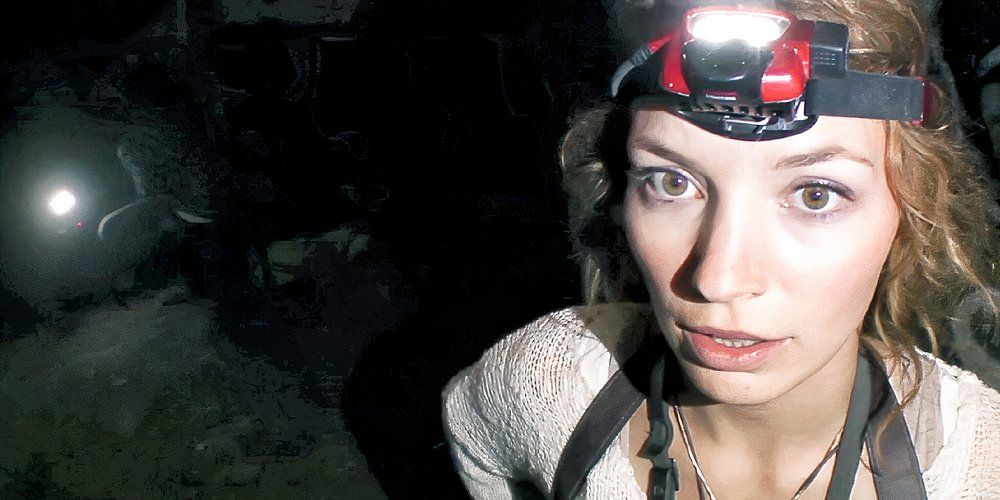
The Paris catacombs are terrifying on their own as a setting, but what sets As Above, So Below apart from other found footage horror entries is the way each member of the expedition becomes haunted by their own inner wounds. The catacombs almost seem tailor-made specifically to summon each character’s darkest truths to the surface. The catacombs are a maze of stones and bones, but they also become a manifestation of the character’s memories and regrets. The setting is judging the explorers. This makes the terror very intimate, personal and universal. Most people can relate to the dread of being forced to face things they would rather forget.
Scarlett’s own inner struggles stand at the heart of As Above, So Below’s story. On the surface, she is an Indiana Jones-esque explorer in search of intellectual truths by any means necessary. Her one goal in life seems to be to complete her father’s life’s work and find the Philosopher’s Stone. Beneath her ambition is a deep sense of guilt and grief. Many of her father’s colleagues felt that his pursuit of the legend drove him insane. He became obsessed with alchemy and let it consume him, leading him to take his own life. When her father died, Scarlett internalized her grief and inherited her father’s failures as her own.
She presents her search for the stone as academic, but the catacombs force her to admit to herself that that isn’t the case. She’s trying to justify her father’s work and absolve herself of the lingering survivor’s guilt that drives her forward. It’s hinted throughout the film, through her interactions with long-time colleague George, that Scarlett has a history of being reckless during her expeditions and putting others in danger. In the catacombs, she has to confront the dangers of her obsession and come to terms with the fact that she is masking her grief with determination. She does find the stone, but not in the capacity that she expects.
George, Scarlett’s partner, carries his own burden into the catacombs. The audience learns that years earlier, George’s little brother drowned in a tragic accident. George had never been able to forgive himself for his brother’s death. His grief differs from Scarlett’s, as her obsession with her work drives her deeper into danger. George chooses to avoid his grief completely and pushes it aside. Once in the catacombs, he is forced to relive the moment. All the characters that follow Scarlett on her expedition must face similar internal fears that the catacombs force to become external. This is where As Above, So Below truly shines, by making the characters face themselves.
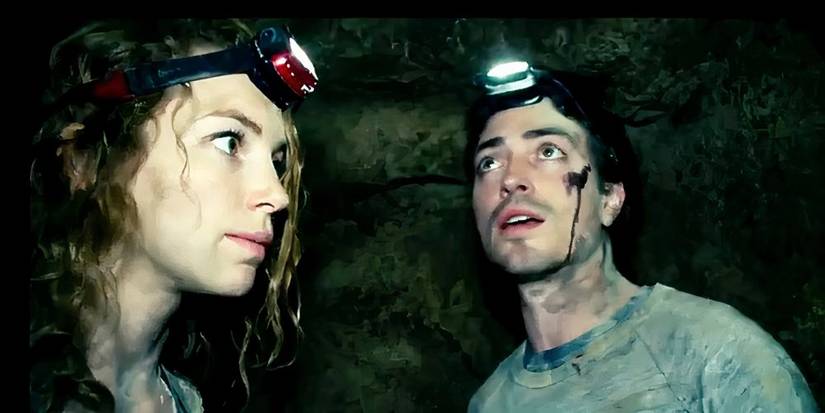
George and Scarlett in As Above, So Below.Image via Universal Pictures
Though As Above, So Below remains underappreciated by some, fans have come around to appreciating the film in the years since its release. The film excels at immersion, as the filmmakers went to great lengths to get permission from French authorities to actually shoot in the Paris catacombs, including some sections that are not open to the public. When characters use a headlamp in the movie, that is the only light available to the cast and crew. When viewers see the explorers wading through the waters in the dark, that is the real experience.
The movie grounds the setting for its horror in a real-world location with centuries of history. This gives the story an element of legitimacy that makes the unfolding supernatural events feel somewhat more plausible. Viewers are engaged in the physical horror the setting presents while also being engrossed by the internal struggles the characters carry. The way the movie is shot, combined with the storytelling approach, allows the audience to experience terror on multiple levels. The found footage subgenre of horror is filled with many cheap imitations of established giants; however, As Above, So Below injects potential back into the format.
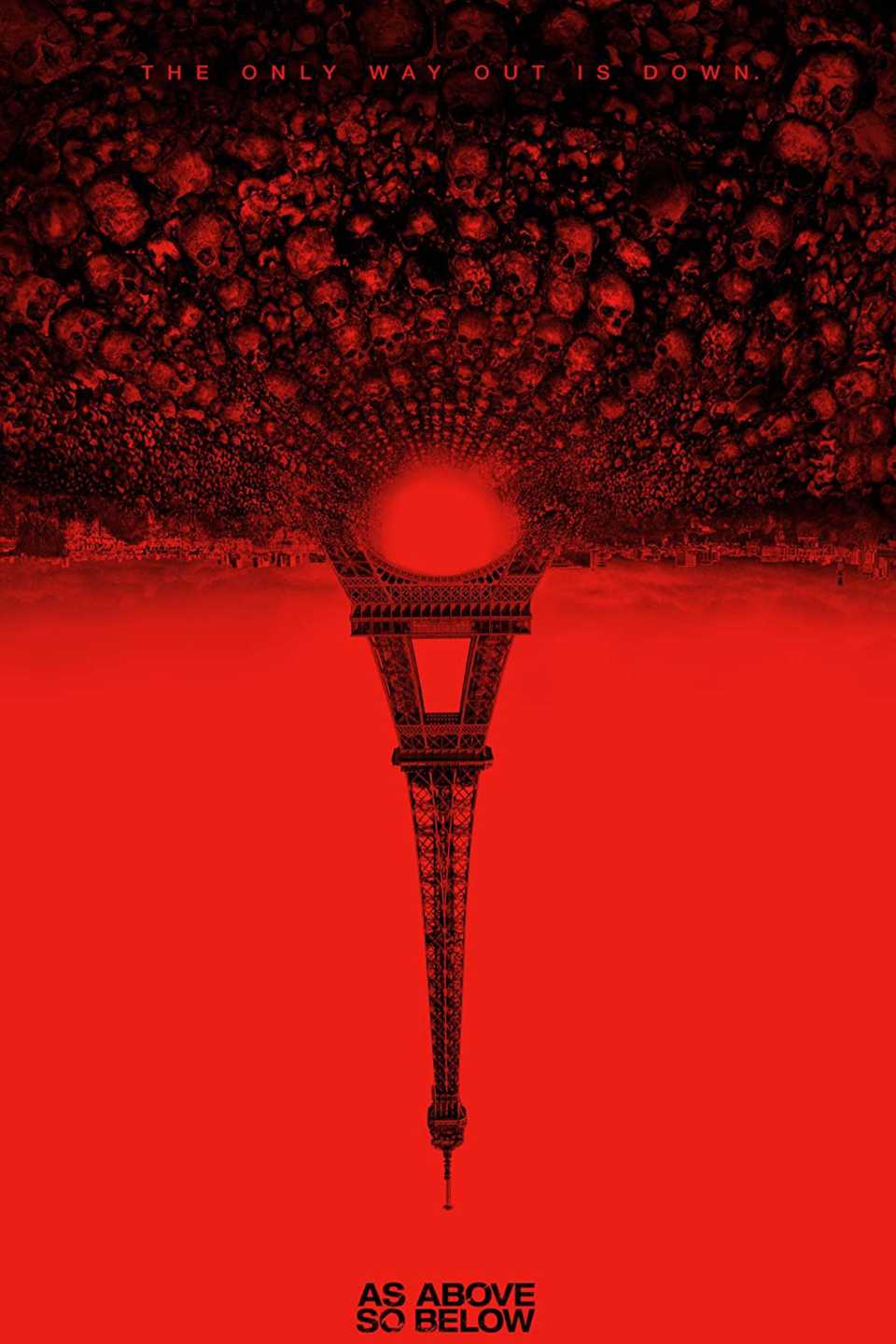
as-above-so-below-poster.jpg
Release Date
August 14, 2014
Runtime
93minutes
Director
John Erick Dowdle
Writers
Drew Dowdle, John Erick Dowdle