
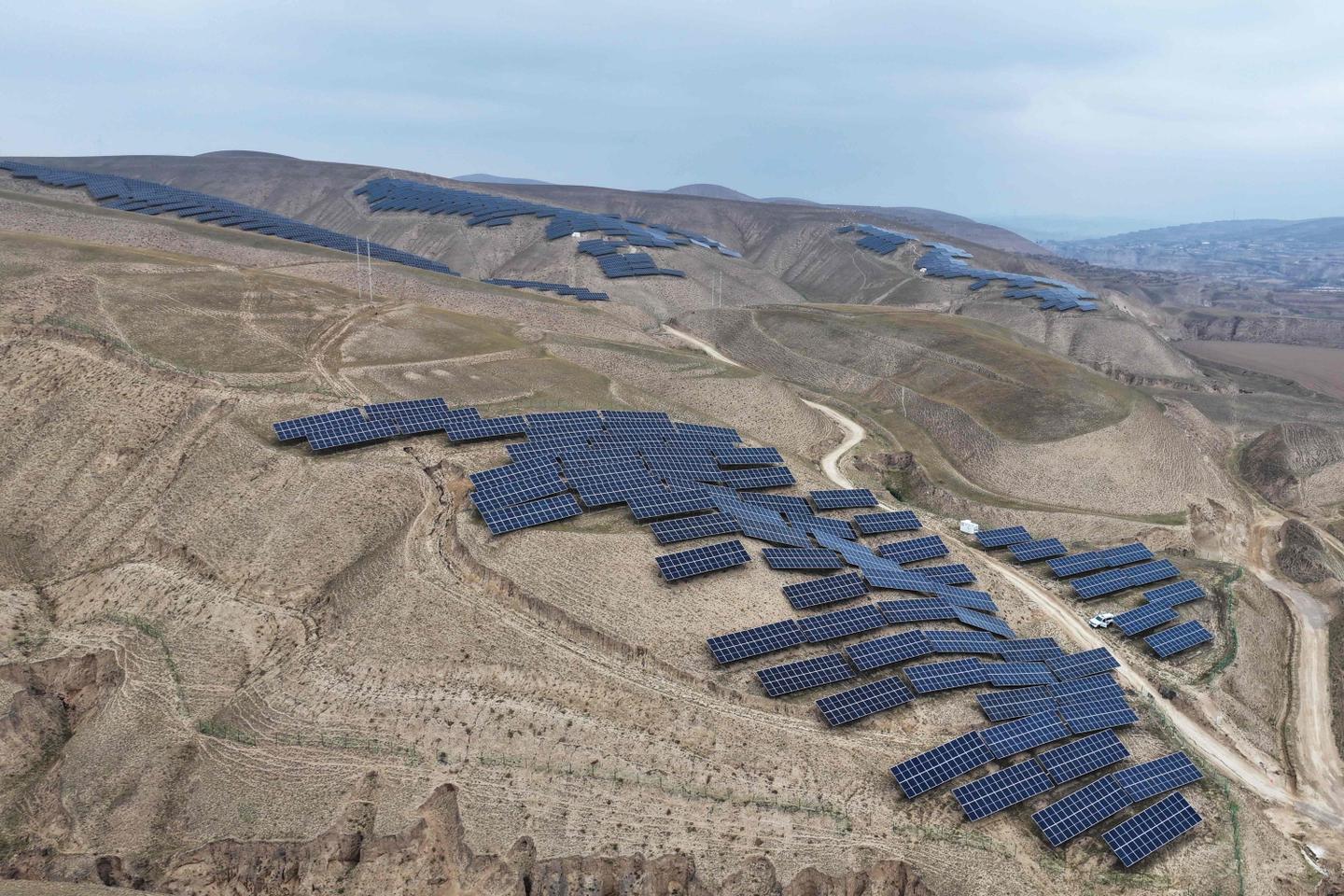
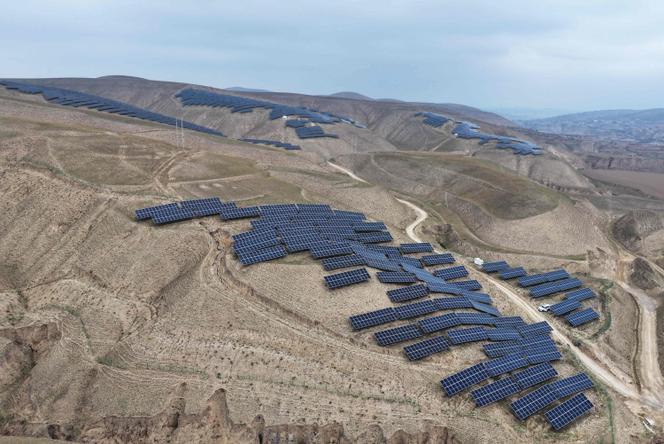
 Solar panels installed on arid mountains in Zhongwei, China, November 6, 2025. AFP
On one hand, low-carbon technologies have rolled out at a spectacular pace, a largely irreversible trend unimaginable just a few years ago. On the other hand, the energy system has remained overwhelmingly dominated by coal, oil and gas. According to the United Nations (UN), the share of fossil fuels in global energy supply has only declined by 3% in the past decade, from 83% in 2015 to 80% in 2024.
Which trend will ultimately prevail? Ten years after the Paris Agreement, is the transformation of the energy system truly underway? Will wind turbines and solar panels allow us to eliminate fossil fuels, the main drivers of the climate crisis? Or will they simply continue to be tagged onto the world’s existing sources of energy production?
“There is a big debate ongoing now on whether we are in a situation of energy addition or energy transition,” observed Jarand Rystad, CEO of consulting firm Rystad Energy. “Because energy consumption has increased so much, even if the relative share has become smaller, the absolute share is still as big.” “Renewables have not yet become a substitute for fossil fuels, but we are at a tipping point,” added Laurence Tubiana, director of the European Climate Foundation and one of the architects of the Paris Agreement.
You have 83.2% of this article left to read. The rest is for subscribers only.