
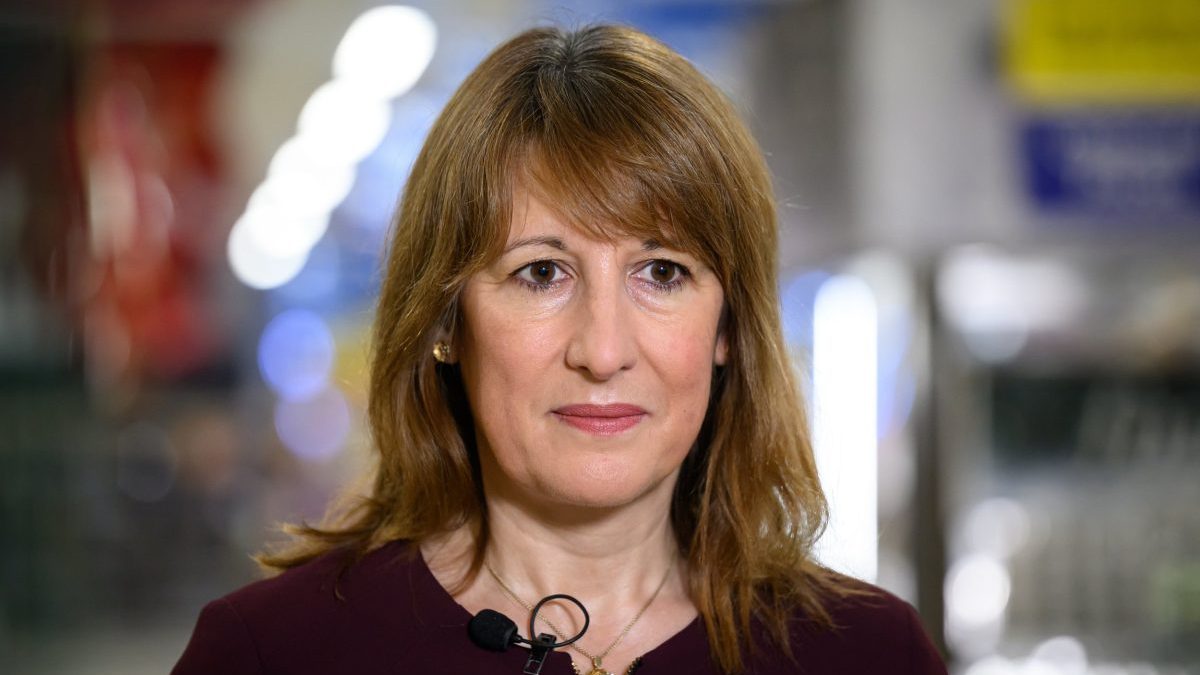
Rachel Reeves has privately indicated she will not target pension tax relief rates in next week’s Budget as she looks to fill a black hole in the nation’s finances.
Treasury officials are believed to have presented the Chancellor with plans to reform tax relief to make it less generous to high earners, but more generous to low earners.
When workers pay into a pension, they get tax relief at their marginal rate – so basic rate payers get 20 per cent tax relief, higher rate payers 40 per cent and additional rate payers 45 per cent.
Civil servants had presented Reeves with a plan to give everyone a flat rate of 30 per cent relief – similar to an idea for a flat 33 per cent rate which she previously supported as a backbencher – but she is expected to reject the idea.
New FeatureIn ShortQuick Stories. Same trusted journalism.
Reeves has also ruled out cutting the tax-free pension lump sum limit, which allows someone to withdraw around 25 per cent of the value of their pension pot. The total maximum tax-free amount for most people is capped at £268,275, known as the lump sum allowance (LSA).
The Chancellor is instead more likely to target salary sacrifice schemes that allow employers to reduce their staff pay and give them higher pension contributions in return.
Like pensions tax relief, this allows employees to pay less income tax but in addition, the employer and employee save on national insurance (NI) contributions. Employers are expected to be limited to a cap of £2,000 per year without incurring NI charges in a move expected to raise £2bn a year.
It comes following Treasury consideration of a review of salary sacrifices, launched under the Conservatives, amid concerns that bigger earners avoid higher tax cliff edges by moving their wages into pension contributions, which qualify for reliefs.
Currently, basic rate taxpayers earning between £12,571 and £50,270 get a relief equal to 20 per cent of their pension payments to cancel out the income tax that might be due, while higher rate taxpayers earning between £50,271 and £125,140 get 40 per cent, and those earning above that receive 45 per cent.
Some have argued this is unfair as the most generous benefits go to higher earners.
Reeves is believed to have been presented by Treasury officials with the option of a 30 per cent flat rate that could raise £2.7bn, having previously proposed a 33 per cent flat rate as a backbencher in 2016.
But the Chancellor has in private meetings indicated that she has rejected this option because she fears it would amount to a tax rise on “working people” such as senior nurses.
Reeves is nevertheless widely expected to stretch Labour’s manifesto commitment not to hit such people with tax rises by extending the freeze on income tax thresholds, dragging people into paying higher rates.
Your next read

Experts have previously warned that there could be “unintended consequences” in setting a flat rate of pension tax relief, including hitting those earning between £100,000 to £125,000, who have a 62 per cent marginal tax rate, particularly hard, and disincentivising work and earnings.
Concerns have also been raised about Reeves’ alternative plan to cap the tax benefits of salary sacrifice schemes, with the Conservatives and Liberal Democrats warning it would amount to a tax on jobs and others sounding the alarm about discouraging people to save for retirement.
The Treasury said it would not comment on Budget speculation.