
According
to the Te Ohānga Māori 2023 report released this year, the Māori economy has seen significant growth, with its asset base expanding from $69 billion in 2018 to $126b in 2023 – an 83% increase – while Māori entities’ contribution to New Zealand’s GDP has almost doubled from $17b to $32b.
So, what’s the secret?
Doing business differently – leading with cultural connection.
Conventional businesses are all about the bottom line, whereas Māori companies often have a greater focus on principles that transcend monetary value, such as kaitiakitanga (guardianship) and manaakitanga (caring for others). It’s an approach that sees the integration of cultural values not just into the market offering, but into every aspect of operation. I believe this is where the magic lies.
Wai Ariki in Rotorua.
Built on the ancestral lands of Ngāti Whakaue, our facility is entirely owned and immersed in Te ao Māori, using traditional healing practices that have been passed down through multiple generations. It’s a unique experience that’s personal to us, and one that we love to share with manuhiri (visitors).
Nearly 80% of our employees are Māori, and I think there’s something to be said about the way that connection to culture through our workforce has contributed to business success.
Research shows that when Māori feel satisfied with the way their cultural beliefs are valued in the workplace, they’re more likely not only to express commitment and job satisfaction, but also to perform to a higher standard.
This concept shouldn’t be groundbreaking. When anyone – Māori or not – feels passionate, respected and connected to their job, they’re more likely to keep turning up and doing their best.
Nearly 80% of staff at Wai Ariki are Māori, strengthening cultural connection at work.
At Wai Ariki, I see this in our kaimahi. Whether our employees are Ngāti Whakaue or from further afield, you can see the pride they exude when guiding manuhiri around a facility that is built on – and directly benefits – their heritage.
Not only does it improve our employees’ experience at work, being able to live and breathe their culture, but it also means there is a true connection and passion underlying the experience they present to our manuhiri.
Authenticity in the tourism sector
In the tourism sector especially, we’re starting to see the power of this approach. There has been a shift in demand towards meaningful and regenerative tourism, meaning that visitors are increasingly seeking authentic, enriching experiences that connect them to a place and its culture.
We are finding that when our employees are connected to their mahi, they’re bringing an authenticity that means guests aren’t just enjoying a spa day, they’re engaging with Ngāti Whakaue culture, traditions, and healing practices.
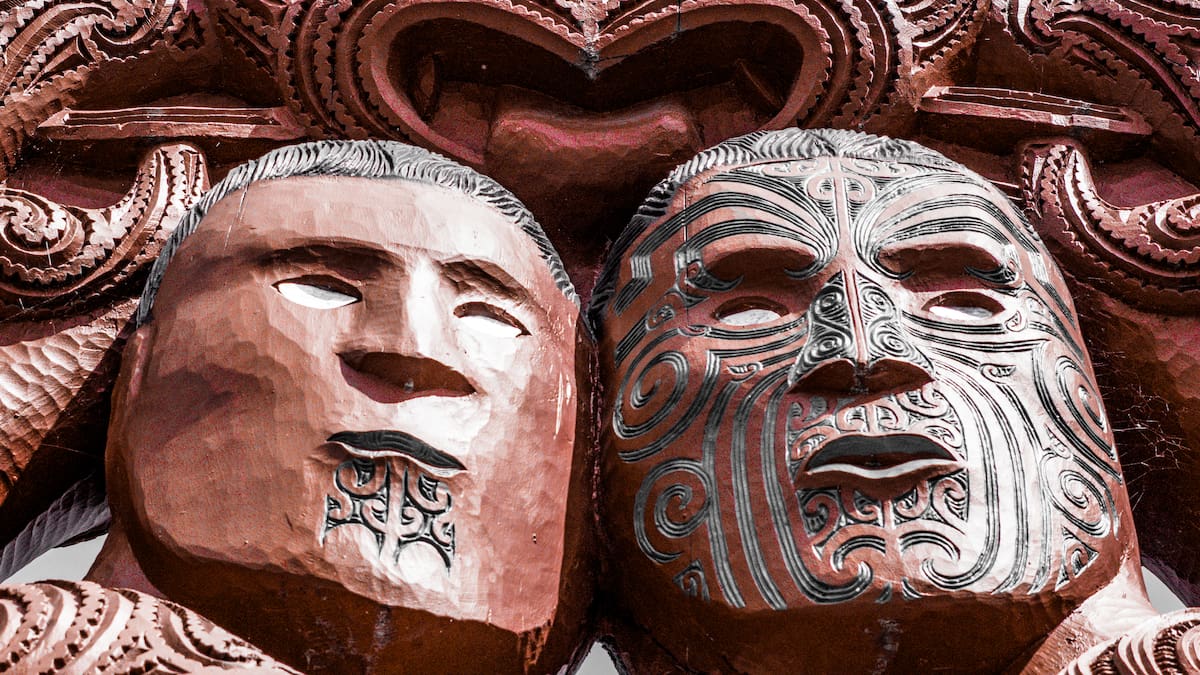
Māori businesses contribute around $32b to New Zealand’s GDP. Photo / Destination Rotorua
So, from a business perspective, the iwi-led employment strategy benefits us two-fold. It is keeping alive the kaupapa Māori values embedded into our foundation so that they’re not just words on the wall but the heartbeat of the organisation, while simultaneously fostering strong, retained employee engagement.
It’s for that reason I encourage other businesses to prioritise cultural connection across their business. Although we do this by hiring from iwi, cultural connection doesn’t have to just mean genealogy. It can also be founded on common goals, or shared values and interests.
In saying that, I really believe iwi employment isn’t just about improving business. It’s about ensuring that Māori culture, wisdom, and economic participation continue to shape New Zealand’s future.
Because the feeling of walking into a workplace that lives and breathes our culture – that’s something you can’t describe on paper.
Catch up on the debates that dominated the week by signing up to our Opinion newsletter – a weekly round-up of our best commentary.