
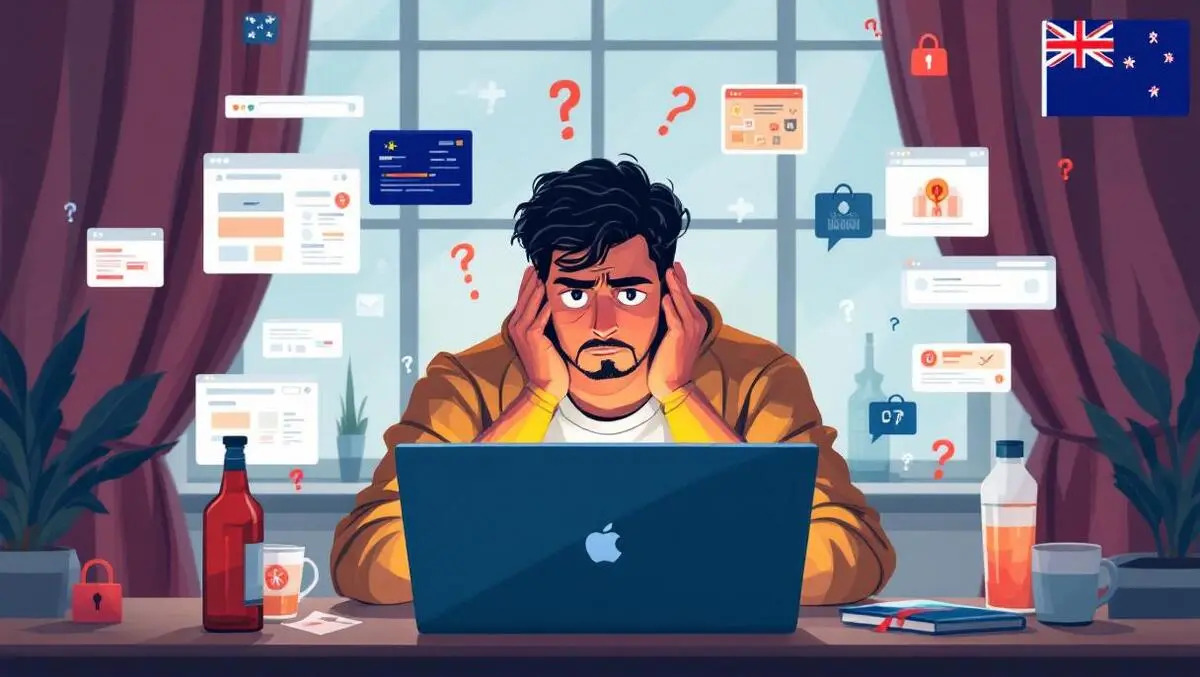
With Black Friday and Cyber Monday approaching, concerns are being raised over the increasing sophistication of online scams targeting New Zealand consumers. As online bargain-hunting intensifies amid rising living costs, experts are warning that cybercriminals are using advanced technologies, including artificial intelligence, to create convincing fraudulent shopping platforms.
AI-driven threats
According to Mark Anderson, National Security Officer at Microsoft ANZ, threat actors are leveraging AI to build fake retail websites rapidly, complete with detailed product descriptions and forged customer reviews. Anderson cautioned that this technology makes it much harder to distinguish genuine offers from scams.
“Threat actors see technologies, like AI, as tools to turbocharge their efforts and break through vulnerabilities. With AI now helping scammers build fake shopping sites in minutes, complete with realistic product descriptions and reviews, it’s getting harder to tell what’s real and what’s not. They can be very sophisticated,” said Mark Anderson, National Security Officer, Microsoft ANZ.
Pressure to buy
The use of artificial deadlines and pressure tactics is compounding the issue. Consumers are often prompted to act quickly on time-limited deals, which can lead to snap decisions and reduce their vigilance.
“As New Zealanders gear up for Black Friday, it’s essential that shoppers stay alert to the risks. Scammers are counting on people to let their guard down in the rush for a bargain. But with a few simple precautions, you can reduce the risks,” said Anderson.
Practical security steps
Anderson recommends a range of practical measures for consumers: scrutinise seemingly generous deals, especially those with pressing time constraints. He advised slowing down and considering each offer carefully before providing any details or making purchases.
Website verification is also becoming more important. Anderson urged shoppers to check URLs for accuracy and avoid following links from emails or messages, as these may be designed to mimic legitimate sites. He encouraged searching independently for trusted retail platforms instead.
Enhanced digital security is another focus. Shoppers are advised to use unique passphrases and enable multi-factor authentication on accounts. This is especially significant since, according to Anderson, basic device security measures can deter many attacks.
Keeping operating systems and applications updated is also highly recommended. Security patches issued through these updates reduce vulnerabilities and help protect against new attack methods.
Monitoring and reporting
Anderson suggests frequent monitoring of bank accounts to catch unexplained transactions promptly. He also highlights the importance of protecting personal information and verifying the identity of contacts before sharing details.
Families and friends are encouraged to create ‘safe words’ for communicating sensitive information, as impersonation is a common tactic used by attackers who may have accessed data from social media.
Victims of suspected scams are urged to act quickly, report incidents to relevant authorities such as the New Zealand National Cyber Security Centre or Netsafe, and support vulnerable community members. Both organisations provide support services, including phone hotlines and online reporting forms.
“Security is a team sport. Check in with your loved ones, family and friends who might be unsure or at risk and help them spot scams before they double click. If you think you’ve been scammed, act quickly. Reach out to either NCSC or Netsafe who can provide you with practical advice to help you out. You can either submit a form online with your concerns on their website or call NCSC: 0800 114 115 or Netsafe: 0508 638 723. Even if things feel a little bit suspicious, don’t be afraid to reach out,” said Anderson.