
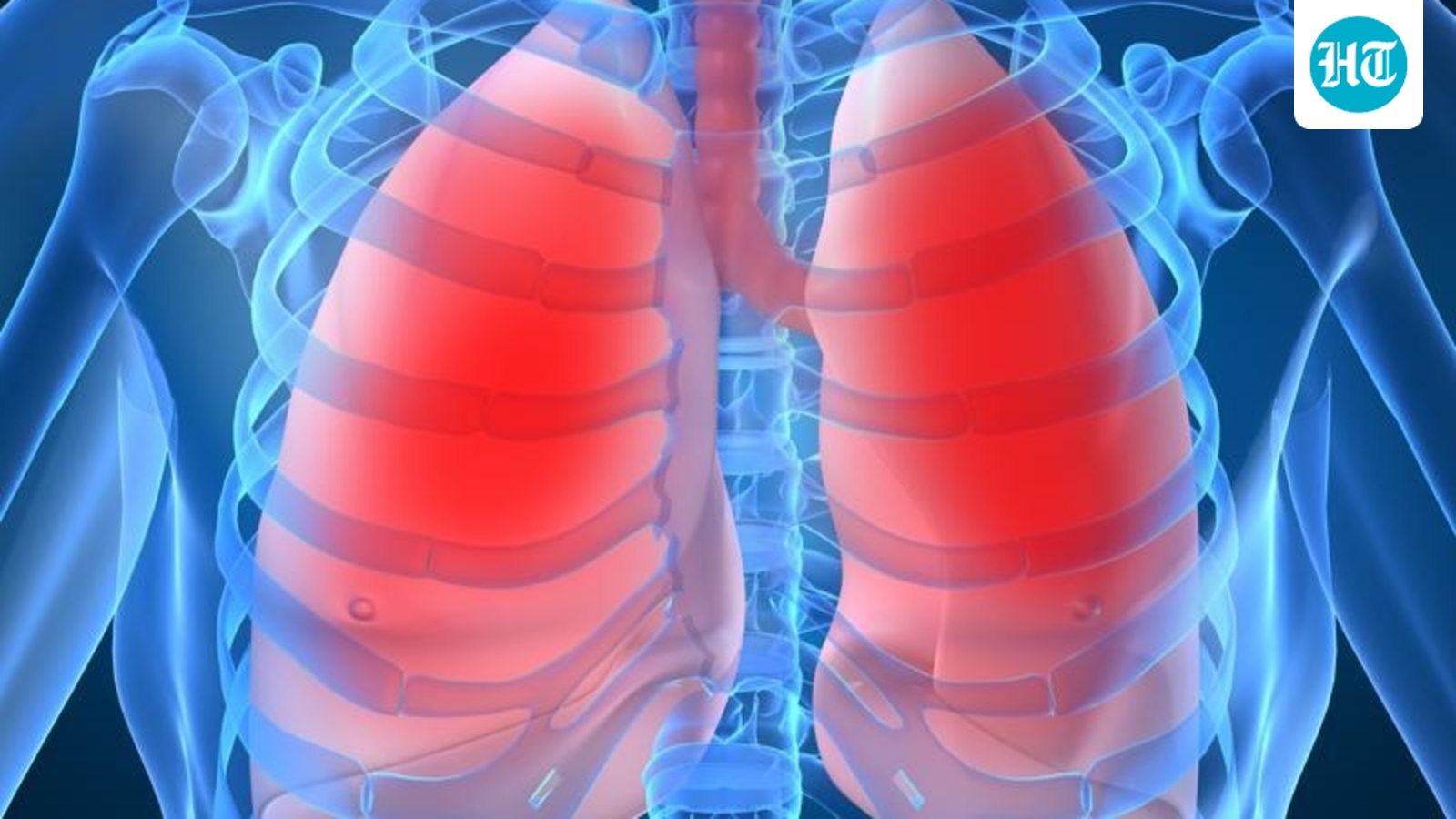
Chronic Obstructive Pulmonary Disease (COPD) is the fourth leading cause of death worldwide, according to the World Health Organization (WHO). It comes after heart disease, stroke, and lower respiratory infections. COPD is a health issue, mainly caused by factors like smoking, indoor air pollution from cooking fuels, and exposure to dust at work. Many people with COPD do not get diagnosed or are given the wrong diagnosis, which can delay their treatment.
 Coil implantation could be an alternative to major lung-reduction surgery for patients with emphysema, a form of chronic obstructive pulmonary disease, or COPD.(Adobe Stock)
“COPD can be treated effectively. It is not only an issue for older adults.When I meet new patients with a COPD diagnosis, I often need to correct some common myths about the condition. It is important to raise awareness about COPD, encourage early diagnosis and promote preventive care to improve lung health.” Dr Raja Dhar, a lung specialist at CK Birla Hospitals in CMRI Kolkata, tells Health Shots.
How to manage symptoms of COPD?
Here are five common misconceptions about COPD, according to Dr Dhar.
Myth 1: COPD only affects heavy smokers
Many people think only long-term smokers can get COPD, but this is a dangerous myth, especially in India. Clinical data published in the journal Diagnostics show that non-smokers can also develop COPD, and they may even outnumber smokers with this condition. In rural areas of India, many people use biomass fuels like wood and cow dung for cooking. The smoke from these fuels harms their health and can increase the risk of non-smoking COPD cases by three times compared to cases caused by tobacco.
Dr Raja Dhar says, “This is not just a smoking problem; it is a serious environmental issue that harms lung health. Many communities are unknowingly dealing with dangerous air pollution that threatens their breathing.”
Myth 2: COPD is strictly a disease of the elderly
If you believe COPD only affects older adults, and youngsters are free from its risk, here’s a truth. While symptoms may show up later in life, the damage that leads to COPD can start in childhood. “Recently, I met a 26-year-old man from Malda who struggled with severe breathlessness due to years of breathing in smoke from cooking in poorly ventilated kitchens. This situation highlights that the causes of COPD can build up from a young age, showing the need for early awareness and prevention efforts,” says Dr Dhar.
Genetics also play a role in COPD. Less than 1% of COPD cases come from a genetic condition called Alpha-1 Antitrypsin Deficiency. This condition can lead to early-onset COPD and may require a lung transplant by age 40. Therefore, we should expand our understanding of COPD beyond age factors alone.
Myth 3: If you live in a clean area, you’re safe
Do you think living in a clean or green area protects them from COPD? This idea is misleading, especially considering the air quality crisis in India. Alarmingly, 98% of the country’s air quality falls below levels set by the World Health Organization (WHO).
The dangers of air pollution are not limited to the outdoors. Common indoor pollutants, like smoke from incense used in religious ceremonies, also pose risks. Research by the Dr Raja Dhar team published in Frontiers in Public Health shows that “living near thermal power plants can harm lung health. Clean air is not just a nice thing to have; it is important for protecting public health.”
Myth 4: COPD symptoms are the same year-round
COPD symptoms do not stay the same all-year round. Dr Dhar explains that “these symptoms often get worse in winter. This can lead to more flare-ups and hospital visits.”
Temperature inversions can trap cold air near the ground, preventing pollutants from spreading. This can lead to high levels of particulate matter, worsening breathing problems for those with sensitive airways. It’s important to understand how symptoms change with the seasons so that people can get the medical help they need on time and improve their health outcomes.
Myth 5: COPD is easily managed with just an inhaler
The idea that managing COPD mainly involves using an inhaler is sometimes incorrect. While medication is critical, especially during flare-ups, it is not the only solution. Dr Dhar emphasises that managing COPD effectively, especially in colder months, needs clear strategies, including:
Vaccination: It’s important to get the flu vaccine before winter. You should also get the pneumococcal vaccine, which protects for about 10 years.Outdoor restrictions: For vulnerable groups like older adults and children, staying indoors when air quality is poor is not just a suggestion; it is essential.Vigilance: Patients should watch for early signs that their symptoms are getting worse. These signs include more coughing, increased sputum production, wheezing, and feeling breathless. Spotting these signs early can help avoid unnecessary hospital visits.
(Note to readers: This article is for informational purposes only and not a substitute for professional medical advice. Always seek the advice of your doctor with any questions about a medical condition.)