
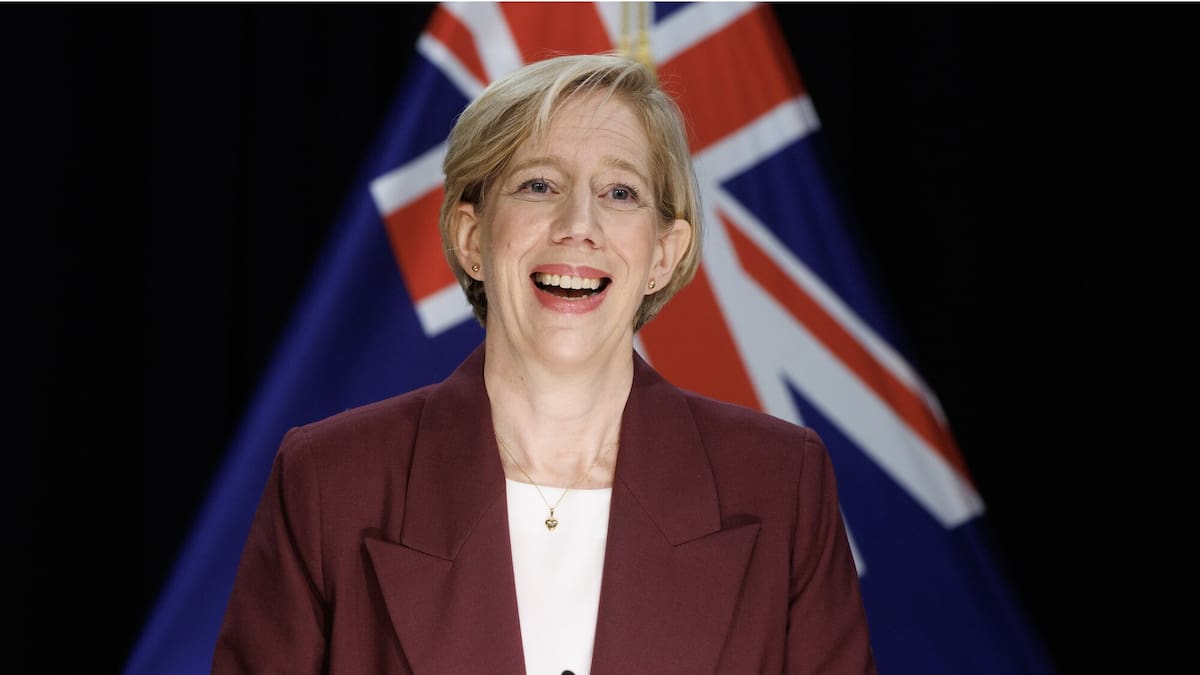
It published a rate track suggesting this is likely to be the lowest the official cash rate goes in this cycle.
With a projected rate of 2.2% by March, it leaves a small chance of a further cut – but much smaller than markets had expected.
The rate track suggested it was “one and done”, said ANZ senior strategist David Croy.
Markets had been caught on the “back foot” a bit by the slightly more hawkish tone of the bank.
In other words, despite the bank describing the risks between a slower recovery and higher inflation as “balanced”, the projections suggest inflation risk has weighed more heavily.
Keeping inflation between the target band of 1-3% is now the single mandate for the Reserve Bank of New Zealand (RBNZ).
The Kiwi dollar rose 30 basis points and the two-year swap rates rose five basis points to 2.64% in the immediate aftermath of the call.
The case one member of the Monetary Policy Committee made for holding the Official Cash Rate (OCR) emphasised the considerable reduction in the rate to date, which was still working its way through the economy.
“Economic indicators are recovering, and economic activity is expected to strengthen through 2026,” the committee said.
Particular emphasis was placed on the upside risks to inflation and output.
The committee voted by five to one to reduce the OCR by 25 basis points to 2.25%.
“The door for further easing is open, but not as wide as many would have expected,” said ASB chief economist Nick Tuffley.
Tuffley said the Reserve Bank was a bit more cautious than generally expected.
“The RBNZ will cut again if needed, but mainly if the economy looks set to underperform its latest forecasts.”
An initial read of the commentary and the detailed forecasts suggested a likelihood that this will be the final cut in the cycle, said Kelvin Davidson, chief property economist at Cotality.
It was “time now for everyone to sit back and watch how the effects play out”, he said.
In the housing market, today’s rate cut may not make too much difference, he said.
“After all, many banks had already been lowering fixed mortgage rates in previous weeks.”
New Governor Dr Anna Breman starts with the Reserve Bank next week.
Liam Dann is business editor-at-large for the New Zealand Herald. He is a senior writer and columnist, and also presents and produces videos and podcasts. He joined the Herald in 2003.Stay ahead with the latest market moves, corporate updates, and economic insights by subscribing to our Business newsletter – your essential weekly round-up of all the business news you need.