
One expert the Herald spoke to was worried that the Reserve Bank strongly suggesting it was at the end of its easing cycle could prematurely put upward pressure on mortgage rates.
JB Drax Honore chief strategist for Asia Pacific, Sean Keane, cautioned fixed mortgage rates could start moving higher early in the new year – well before the economy had recovered.
However, former Westpac treasurer, turned consultant, Jim Reardon, had a different view.
He believed conditions were ripe for mortgage rates to remain low, and longer term ones to fall a little.
Scenario 1: The Reserve Bank bungled its comms and may need to do more to support the economy
Borrowers have, for much of the year, been opting for floating or shorter term fixed rates, with the idea of locking in longer term rates when they bottomed out.
Yesterday, the Reserve Bank suggested interest rates may be at their trough, as it was unlikely to cut the OCR again in this easing cycle.
Accordingly, acting deputy governor Karen Silk commented more borrowers would lock in rates around the 18-month, two-year mark.
Keane believed a surge in demand for debt at these durations could push banks’ funding costs up in coming weeks.
He noted swap rates, which influence fixed mortgage rates, had already trended up ahead of the OCR announcement, which only sent them further north.
Keane believed the Reserve Bank coupling its OCR cut with relatively hawkish commentary was counterproductive. Despite delivering a rate cut, the bank ended up tightening financial conditions.
This increases the risk of a slower recovery in the housing market over summer, and potentially puts pressure on the Reserve Bank to deliver another OCR cut in February.
Keane said the situation was much like it was in May, when the bank accompanied its 25-basis point OCR cut with commentary that suggested it was no longer dead set on cutting the OCR.
Like yesterday, the immediate market reaction was for interest rates to rise and the New Zealand dollar to appreciate.
After keeping the OCR on hold in July, the Reserve Bank had little choice but to slash the rate by 50 basis points in October to try to revive the stuttering economy.
Scenario 2: Banks are well placed to keep interest rates supressed for the time being
Unlike Keane, Reardon believed fixed mortgage rates weren’t going up in a hurry.
He believed banks were prepared to absorb any spikes in demand from borrowers wishing to fix their mortgages for longer durations.
Reardon recognised yesterday’s statement might not have rewarded the doves in the way that they were hoping.
But he noted the OCR track in the Reserve Bank’s statement suggested there was a slim chance the OCR could come down a bit.
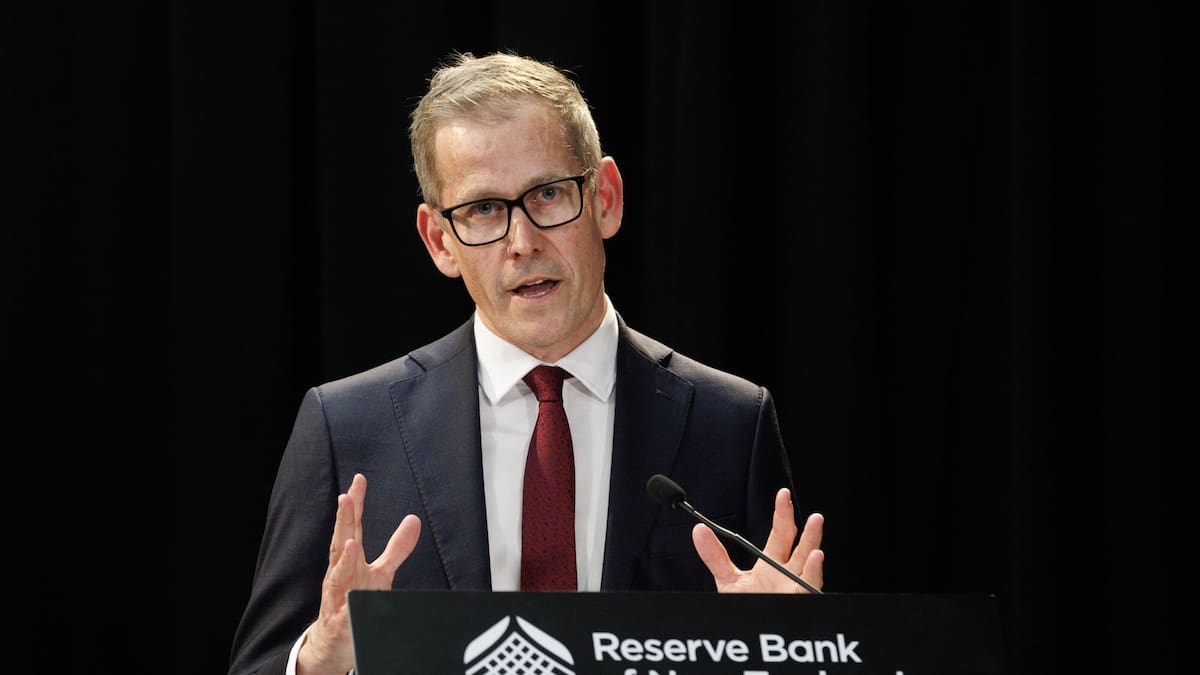
Interim governor Christian Hawkesby also clarified in the press conference the risks were tilted towards there being another cut in the short term.
Indeed, Reardon believed the economic recovery wasn’t a done deal just yet, noting previous green shoots had wilted away.
As for the retail banks, he believed they were willing and able to lend more.
They haven’t had to write off as much bad debt as they provisioned for in the past year, their margins have been comfortable, and the Reserve Bank is likely to reduce the amount (or change the mix) of the capital they have to hold in the future.
Reardon also believed banks had to price aggressively to win business.
So while the market response to yesterday’s OCR announcement pointed to there being upward pressure on fixed mortgage rates, he couldn’t see this coming to fruition.
Jenée Tibshraeny is the Herald’s Wellington business editor, based in the parliamentary press gallery. She specialises in government and Reserve Bank policymaking, economics and banking.
Stay ahead with the latest market moves, corporate updates, and economic insights by subscribing to our Business newsletter – your essential weekly round-up of all the business news you need.