
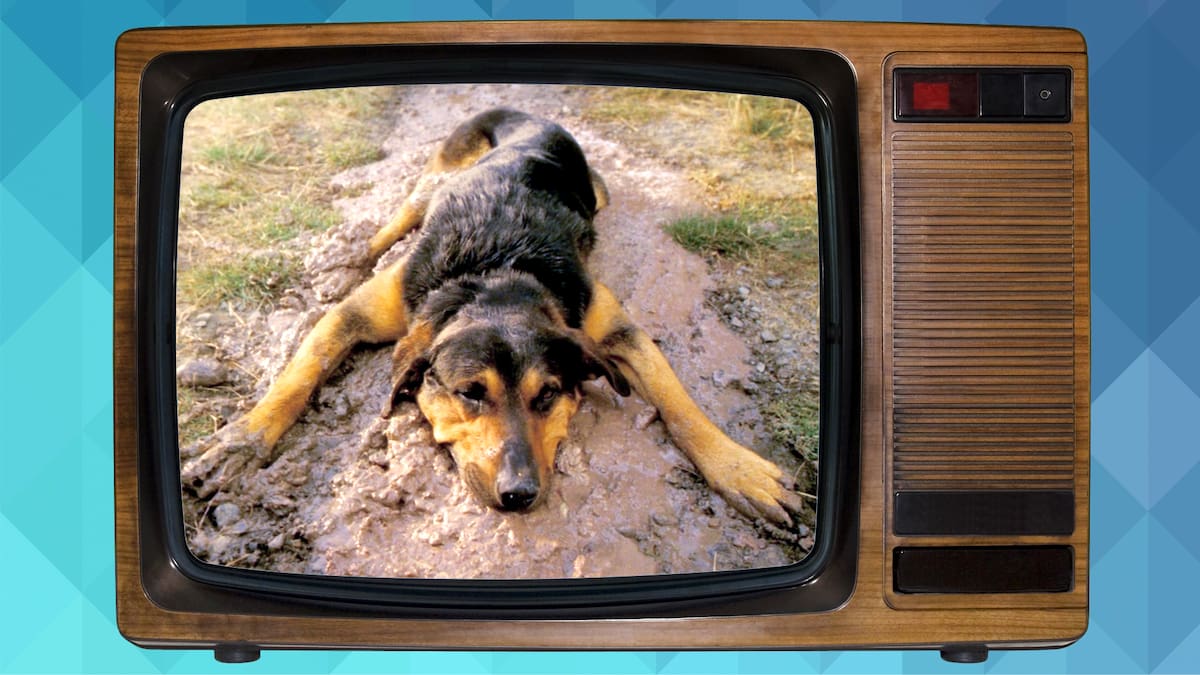
Toyota’s infamous ‘Bugger’ advertisement is New Zealand’s most complained about ad of all time (120 complaints when it first aired in 1999), but anyone looking back might argue it’s relatively tame, even innocent, compared to some of the others from throughout our advertising history.
“While misleading ads remain the most frequent cause for complaints, over the years we’ve seen a clear shift in community standards,” ASA CEO Hilary Souter says.
“Consumers are more likely now to speak out on stereotyping and unsafe behaviour depicted in ads, while some swear words and the use of religious symbols are less likely to cause offence to most consumers.”
One thing that has not changed over the years, Souter notes, is the willingness of the advertising industry to engage with the advertising codes and to respect the complaints process, ensuring ads that do cross the line are swiftly removed, amended or put in different time slots.
Luckily for us, some remnants of these ads – banned, changed or otherwise kept intact – remain scattered across all corners of the internet. Do you think these would have been made today?
Kinky Pinky feat. Dragon (Cadbury – 1976)
It would be interesting to know how much Kiwi music legends Dragon and Marc Hunter were paid to star in this mind-bending piece of work. While it could be considered “weird” or “creepy” by some today, the glam, camp, disco ad showcasing one of New Zealand’s favourite chocolate bars still managed to make it on to Marketing Association’s 50 greatest Kiwi ads of all time – likely because of its nostalgia factor.
Kinky Pinky is an undeniably catchy song, and the costuming and camera work are a sight to behold, but the strange mix of sucking and licking on the bars in an overtly sexual way might not cut the mustard in today’s climate.
The 70s were a time of freedom and expression, so there’s no surprise Cadbury went down this route while also leaning into the disco culture. Times have changed, however, and while the song and actions might skew some audiences today, perhaps a remake is in order with some different lyrics and a drum and bass beat?
Bendon Noir (Bendon Lingerie – 1990s)
I imagine advertisers came to a seemingly logical conclusion when making this ad: it’s about lingerie, so we have to showcase the star product right? Film noir was also big in the 90s owing to the success of films like L.A Confidential, and it can only be assumed Bendon wanted to capitalise on this success while putting their own spin on things.
While at face value, it’s well shot and tells a cheeky story of a woman nicking a Bendon bra from a mannequin, the fact of the matter is that it still shows two people simulating sex on screen.
There’s partial nudity, a state of undress, and a fair bit of PDA involved, as well as the act of what could be perceived as theft (and would that used brassiere ever be sold again?!).
In today’s climate this would probably be considered a bit too risque and risky for prime-time TV despite the thematic pull, but perhaps it could be alright for a late-night slot or for streaming on an adult-oriented show. It’s still clearly loved by many, also making the top 50 ads list.
Supa Shake (Nature’s Fresh – 2005)
Coming in at 23 ASA complaints, the most in 2005, this tongue-in-cheek ad took double entendre humour to the next level. The hand movement implies shaking a bottle, but it could also mean something else that is not safe for work. For the non-offended, it’s hilarious, clever and very Kiwi, but for those who didn’t like it, well they really did not like it.
It seems advertisers have become much more risk averse when it comes to double entendre, and nothing as blunt as this ad has appeared on screens since – and I doubt it ever will.
But with the internet no stranger to snippets and influencers who use similar comedic themes, the question remains as to whether the joke is socially acceptable today.
Drunk Uncle (Alcohol Advisory Council – 2008)
Kiwi alcohol harm ads today aren’t afraid to use death and bad scenarios (as seen in the graphic NZ Police speeding ads) to get their point across, but seeing a child visibly hurt on screen after accidentally being thrown into furniture by his drunk uncle saw this ad receive 68 ASA complaints.
As a result, it was eventually only shown during adult viewing times, but it no doubt left a long-lasting impression for those younger audiences who viewed it.
Some would argue this ad actually served its purpose really well, portraying a harrowingly realistic situation as a stark warning not to get carried away with the drink. But on the flip side, there’s the mental trauma caused on younger audiences and those who might not understand what’s going on.
Would this get made today? Not likely considering the Alcohol Advisory Council is no longer a thing, and a bigger focus is now on preventing drink and drug driving. But, as commenters in the YouTube thread rightly note, that heated shout of “get out” from the distressed relatives will long stay in our memory.
Libra’s Drag Queen (Libra – 2012)
A failure on all fronts, this controversial ad caused widespread offence to many and played into what was eventually termed as “dragphobia”.
A blonde woman and a drag queen in a bathroom are seemingly competing against one another as they apply make-up and adjust their bras. When the woman produces a tampon, the drag queen walks out defeated.
Even in 2012, when there was still so much more work to be done when it came to inclusivity in New Zealand, the ad was considered poor taste and racked up a solid 53 ASA complaints. Not only is it bad taste, but it also missed the mark completely when it came to the advertising by making the tag line “Libra gets girls”, confusing and offending many.
The ad was removed from TV pretty quickly, and I think advertisers would’ve learned from their mistakes meaning we won’t be seeing something like this ever again on NZ TV.
Mitchell Hageman joined the Herald’s entertainment and lifestyle team in 2024. He previously worked as a multimedia journalist for Hawke’s Bay Today.