
Large areas of Auckland are effectively being rezoned, creating planning capacity for up to two million more homes over the next 30 years while providing a framework for a more streamlined decision-making process.
Many aspects of PC120 show careful thought. One example is around Eden Park, where increased residential density could support a stronger hospitality offering, along with the acoustic benefits of modern construction for nearby residents. But there are opportunities missed elsewhere to enhance life, depth and prosperity into the city’s village feel.
Planning, by its nature, is a broad-brush discipline. To create headroom in the numbers, far more of Auckland has been proposed for rezoning than will ever be redeveloped. Only a small fraction of the theoretical capacity will be built, raising the risk of a scattergun result.
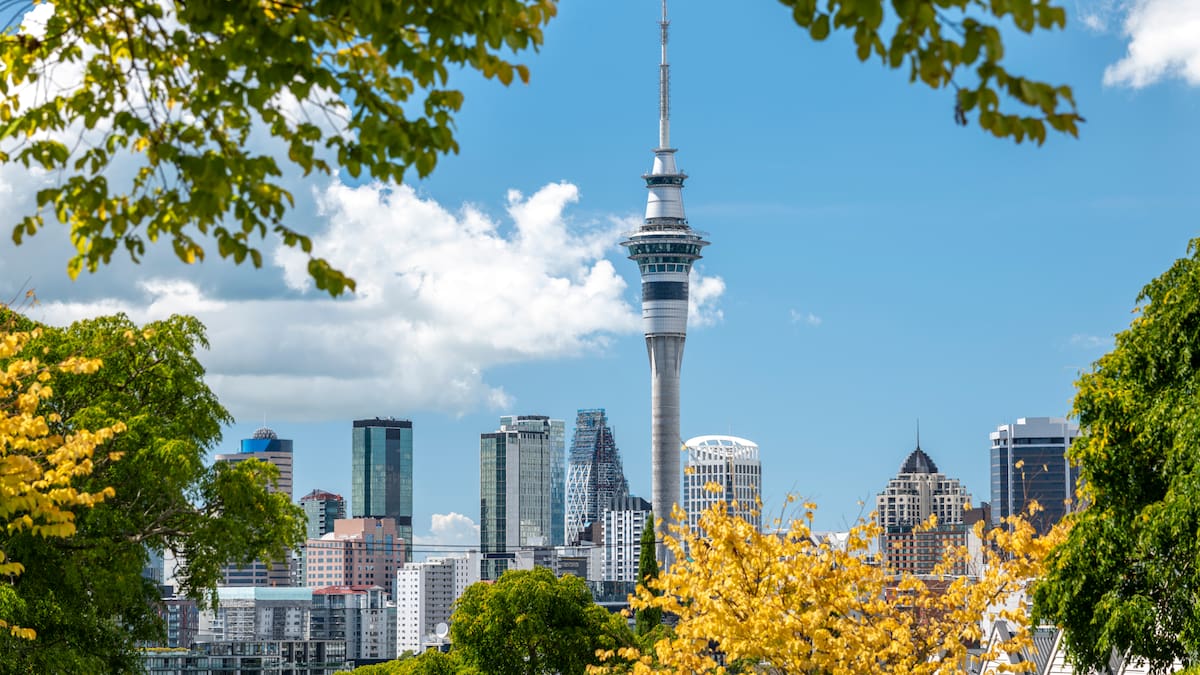
PC120 aims to boost density citywide while improving neighbourhood quality. Photo / Getty Images
Surely, we can be more strategic, with refinement we can determine whether growth leads to coherent, attractive neighbourhoods or a random lottery of generic towers.
There are many areas of the plan where density inspired by Auckland’s infrastructure and varied topography makes perfect sense, elsewhere opportunities to create nourishing lives in larger buildings without affecting others are overlooked. In other places, it’s likely that only the front row of zones will ever be built, as they compromise the saleability of sites behind. Auckland is a water city and it should be possible for nearly everybody at height to enjoy private sanctuaries, with framed sea views and sunlight.
Auckland’s character suburbs are no accident. Our city’s forebears laid out streets with careful regard for outlook, views and sunshine, and then populated them with quality, well-scaled buildings within easy walking distance of community, shops and services. These are core drivers that make older parts of Auckland so liveable.
The minister has emphasised that it’s crucial that Auckland has robust opportunities to participate in this critical change, and PC120 is now out for public consultation. But this may leave questions: how do we leverage local knowledge to refine the overall three-dimensional shape and buildability of PC120? How do we test standardised building shapes for people in real terrain to assess buildability, views, sunshine, walkability, character and cultural context?
The challenge with PC120 will be to progress from how housing capacity can be unlocked, to how we want to live – the relationship between buildings, their quality and value. How places will look and feel sit beyond what zoning rules can capture; these finer-scale considerations are part of everyday architectural and urban design practice.
An answer is to collaborate. Fine-grained and realistic design scenarios for how PC120 might be refined ward by ward, by the design professionals who will be putting the changes into practice, incorporated into the council’s own submissions, can minimise further planning cycles, protracted consenting processes and costly mistakes.
With collaboration, the city can be visionary as well as bold; there is an opportunity to build a more vibrant, more beautiful, prosperous, easy, and livable Tāmaki Makaurau, that we can all take pride in.
Catch up on the debates that dominated the week by signing up to our Opinion newsletter – a weekly round-up of our best commentary.