
Great friends that include some of our very own homegrown reggae heroes, of whom Campbell met through a defining moment of Kiwi activism.
“You know, the first time we came to New Zealand, there was an anti-apartheid demonstration in the streets. We got off the coach and threw our luggage into the hotel, and we joined that demo. That’s where we met Herbs,” he says.
“Over the years, they’ve introduced us to many other musical acts. I’ve actually just played with Katchafire and did something on their record.”
The ongoing popularity of Herbs and Katchafire is just one indication that Kiwis have always had a longstanding love for reggae, as is the fact that UB40’s covers of Red, Red Wine and I Can’t Help Falling In Love With You were mainstays in the NZ charts.
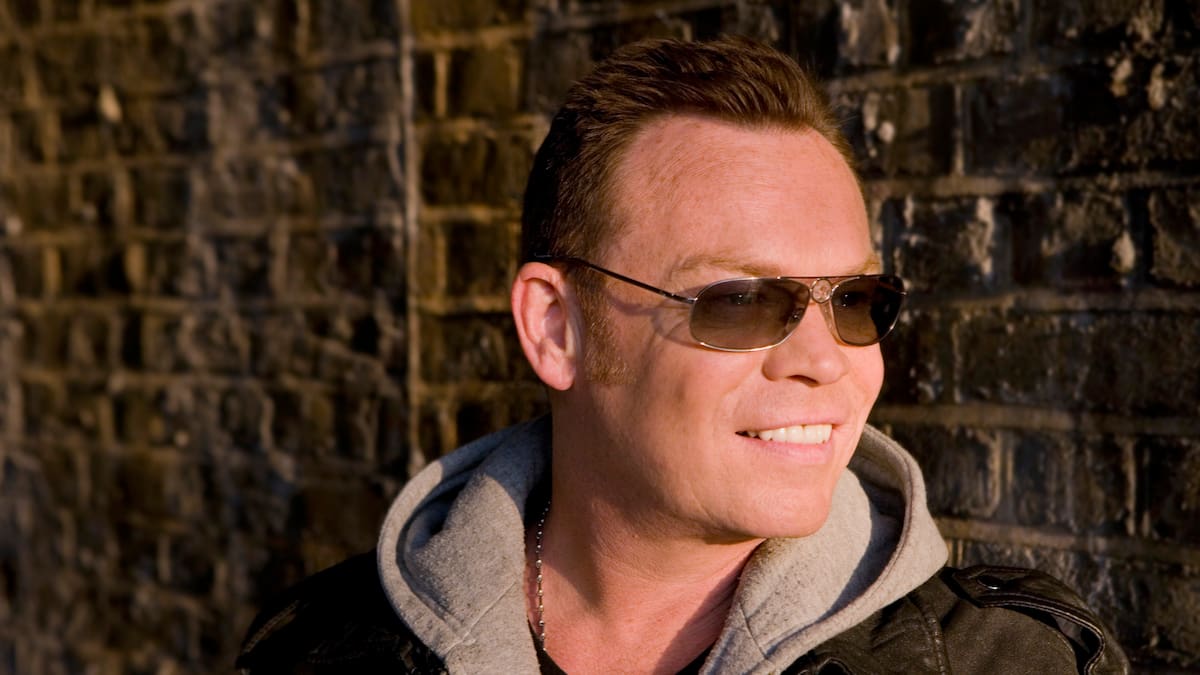
Kingston Calling 2026’s headline act is UB40 featuring Ali Campbell. Photo / Supplied
That last one, Campbell agreed, was almost unofficially a summer anthem here. Their song Maybe Tomorrow also gets a massive reaction from Kiwi crowds. And when it comes to album sales, the band have sold over 70 million of them worldwide.
“I think UB40 were very wise in choosing reggae as our genre. I mean, it was the music we grew up with and we loved,” he says.
“It’s not so much that UB40 are great, it’s that people love reggae, and we’ve got a worldwide fan base. We’re very lucky for that. Anywhere in the world that you go, people turn up for a reggae concert because it’s a unifying music. It’s about peace and love and unity, and it brings people together, you know, in the spirit of collaboration, cooperation, and freedom.”
That sense of unity and pride is also apparent when Campbell speaks about his longstanding respect for Māori culture and whānau.
“I do love the Māori culture, you know. It’s a shame that your new boss is trying to rewrite history at the moment. I think that’s a bit of a sad thing,” he says, referring to prime minister Christopher Luxon.
“It’s a bit like Trump, isn’t it? Trump’s busy doing the same thing in America, getting rid of you know, statues that celebrate emancipation and all that, saying, ‘Oh, no, it’s that’s the wrong image for our children,’ you know. He’s busy rewriting history, and I think the same thing’s happening with Māori in New Zealand.”
Zane Henry, of the Treaty Grounds cultural group Te Pito Whenua, issues a challenge to UB40 frontman Ali Campbell at Whare Runanga, Waitangi Treaty Grounds in 2016. Photo / Peter De Graff
Campbell references opposition to bilingual traffic signs as an example. He’s also studied Te Tiriti o Waitangi and its historical context closely.
“But, you know, what goes around comes around, as it were. And hopefully things will sort themselves out,” he says.
He has long admired the resilience of indigenous cultures across the globe.
“I’m a Scotsman, so we went through the same thing with the Highland Clearances, where the English killed all the Scottish people and put sheep in their place … Māori are another group of people who are resilient enough to have stayed around and have come back, you know, with their own rules and doing their own thing, which I respect greatly.”
Not shy to speak his mind off stage, it’s on it that Campbell really packs a punch.
The current formation of his band runs under the name UB40 feat Ali Campbell and still releases new music and performs the band’s original hits.
The other UB40, with the official naming rights, is helmed separately by brother Robin Campbell and also featured his other brother Duncan before his retirement in 2021. Ali left this iteration in 2008.
According to reports, it was originally said Ali left so he could concentrate on solo projects, but he later revealed he was leaving due to management and business arguments.
His version of the band is made up of musicians who have been with him for “about 18 years now”. One member, lovingly referred to as “Douggie”, has been with them for 40 years, through the original lineup.
“When we started the band. We were thinking, well, we’re going to need a roadie. So, we went and found Douggie on a building site where he was up a ladder fixing a light. And we said, ‘Douggie, do you want to be our roadie in the band?’ And he just put his tools down, came down the ladder, and he’s been with me ever since.”
But touring the world takes a toll and at 66, Campbell knows he’s not as young as he was when the band first hit the road.
A self-proclaimed health fanatic, he has stopped smoking and tries to be in tip-top shape for the impressive touring schedule of the band, which has played around the world this year.
“It plays havoc with your body clock. But then I’ve been doing it all my life, I’m used to it, and I love it.”
UB40’s Ali Campbell, right, gets the crowd into the reggae vibe. Photo / Stephen Parker
When he has some downtime in between the chaos, Campbell says he’s well into his TV, especially the hit quiz show The Chase, which has just received the Kiwi treatment.
“The Chase is the most popular programme in England. And then they’ve got an American one and a New Zealand one. It’s a bit like UB40. There’s one in every country,” he laughs.
UB40 Featuring Ali Campbell will headline the Kingston Calling Festival in Whangārei (February 5), Napier (February 6), Mount Maunganui (February 7), Wellington (February 12), Pukekohe (February 13), and New Plymouth (February 14), 2026. Tickets are available here.
Mitchell Hageman joined the Herald’s entertainment and lifestyle team in 2024. He previously worked as a multimedia journalist for Hawke’s Bay Today.