
In addition, tens of billions of dollars’ worth of extraordinary government grants and loans, including the cashflow lending scheme, helped to keep sole-trader bankruptcies and company liquidations artificially low through the pandemic and even thereafter.
The cashflow loan scheme was introduced in May 2020 and a total of $2.37 billion was loaned by the Government, unsecured and on concessionary terms, to businesses employing 50 or fewer fulltime-equivalent employees, many recipients were sole traders.
Approval was given on a “high trust” basis to companies that declared they were struggling with revenue loss through the pandemic and related government restrictions. The maximum loan available was $110,000, including a top-up option introduced in 2022.
The bulk of the loans not already repaid came due in the middle of this year.
Revenue Minister Simon Watts said the IRD won’t retreat from making hard decisions to secure overdue loan payments. Photo / Mark Mitchell
The IRD provided the Herald with data as at October 21, under the provisions of the Official Information Act (OIA).
IRD spokesman Rowan McArthur declined to answer follow-up questions about the data outside the OIA request, including how much of the cashflow loan scheme debt has been written off by the IRD – $18.45m was written off by the department between March and October this year, but that is not a complete picture.
In October, New Zealand recorded its highest monthly total for company liquidations since 2011, according to credit-score firm Centrix.
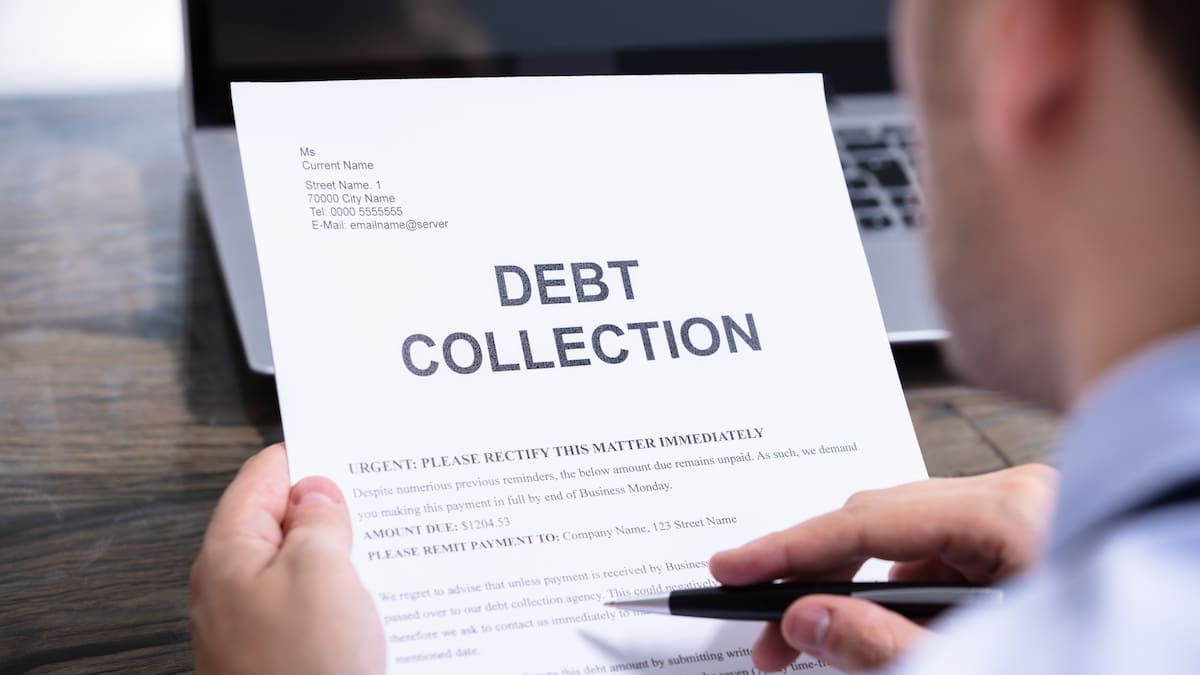
The IRD is charging punitive 13.88% interest on the defaulted Small Business Cashflow (Loan) Scheme debt and warns of possible legal action. Photo / NZME
Monika Lacey, Centrix’s chief operating officer, said increased enforcement by the IRD has been a large factor in the rise.
Overdue PAYE and GST are key debts which trigger IRD action.
To date, defaults on the cashflow loan scheme don’t appear to have been a considerable factor in company liquidations.
IRD data showed that 19,297 of the loans tipped into default between March 1 and October 21. Of those defaults, just 124 related to insolvency.
However, the recent and rapid build-up in defaults suggests this figure is likely to grow.
In addition, most of the outstanding loans not in default are in special repayment plans and 49% of borrowers in these plans are behind schedule in their repayments.
There will also be a long tail of loans reaching maturity. The scheme was originally aimed at helping businesses manage temporary cashflow issues arising from the first 2020 lockdown and the majority of loans were made in that year. However, the scheme was extended at least three times and ultimately closed only at the end of 2023.
All of the loans carried five-year terms from the approval date, all were interest-free for the first year (from drawdown) and thereafter bore interest of 3% per annum. Regular principal repayments applied after two years.
Revenue Minister Simon Watts said that the most common reason for the IRD initiating bankruptcy and liquidation is “because customers do not initiate contact with the department, or respond to attempts to contact them”.
The department has run two marketing campaigns this year, and another is planned for February, to alert cashflow loan scheme borrowers to the term expiry and encourage repayment.
Watts said the IRD is working with solvent borrowers to help them to keep trading.
Borrowers that renegotiate repayment continue to pay the below-market interest rate of 3% interest.
However, the Government is also intent on wrestling lower the level of debt the IRD is owed, and provided extra funding for compliance and debt collection through the last two Budgets, Watts saying “companies that aren’t viable need to be wound up. The longer insolvent trading continues, the fewer assets will be available to cover debts to employees and suppliers”.
“Inland Revenue won’t retreat from making hard decisions to secure overdue payments and liquidations will continue to be the option of last resort to protect other businesses and individuals.”
Stay ahead with the latest market moves, corporate updates, and economic insights by subscribing to our Business newsletter – your essential weekly round-up of all the business news you need.