
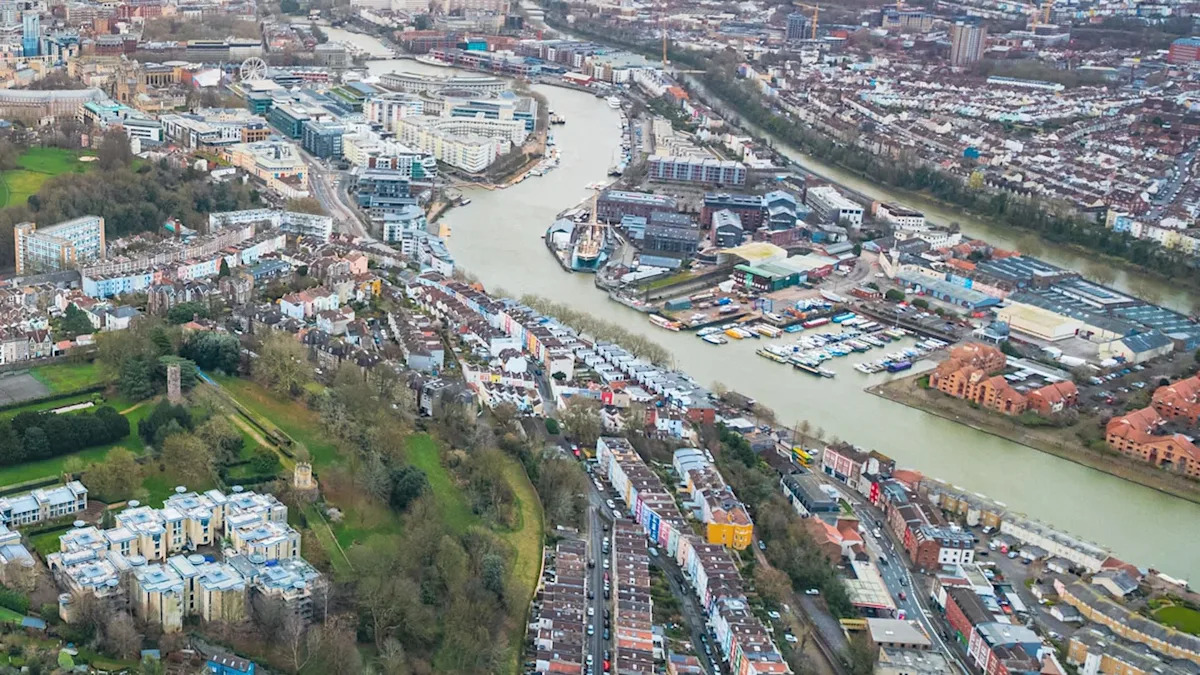
Sea-level rise is threatening a historic city in England, with projections indicating significant flooding risks for low-lying areas within the foreseeable future.
What’s happening?
As reported by Bristol 24/7, the city of Bristol, England, is already bracing for the impacts of continued sea-level rise. Not only will the encroaching waters threaten prominent industries and leisure activities, but a large portion of the city’s population may have to dramatically alter their lives.
“It’s quite frightening,” environment committee chair and Green councillor Martin Fodor said.
In 2024, Bristol took the brunt of a couple of severe storms, resulting in significant flooding and damaged property. Heavy rains and strong winds from storms Henk and Bert caused mass power outages and major disruptions across England.
Why is the threat of sea-level rise in Bristol important?
In a recent study from the World Meteorological Organization, researchers noted that 2024 saw a global mean near-surface temperature of 1.55 ± 0.13 °C above the 1850-1900 average. The increase in temperatures is now increasing the risk of extreme weather events, such as stronger storms and more devastating floods.
“Data for 2024 show that our oceans continued to warm, and sea levels continued to rise. The frozen parts of Earth’s surface, known as the cryosphere, are melting at an alarming rate: Glaciers continue to retreat, and Antarctic sea ice reached its second-lowest extent ever recorded. Meanwhile, extreme weather continues to have devastating consequences around the world,” WMO Secretary-General Celeste Saulo said in a press release.
This elevated rate of our global temperature increase has been considered too high for polar ice sheets, triggering irreversible ice loss and the potential for multi-meter sea-level rise over the coming centuries. For coastal communities such as Bristol, this can increase the threat of widespread flooding.
What is Bristol doing to prepare for sea-level rise?
In order to better prepare the city for the encroaching water from the sea, officials have created the Bristol Avon Flood Strategy, a long-term plan to manage flood risk in Bristol. The plan aims to protect homes and businesses by enhancing the river environment and creating a more resilient city through new and improved flood defenses.
“We’re starting to rethink how we use street space, where some tree planting could be in the street so the pavement and all the services underneath stay intact, but we have to contend with all the other things we might want on streets like parking, cycle parking and sustainable drainage,” Fodor said. “Making our streets fit for the future is another whole exercise, and we have to find all sorts of creative funding streams for that.”

��
Get TCD’s free newsletters for easy tips to save more, waste less, and make smarter choices — and earn up to $5,000 toward clean upgrades in TCD’s exclusive Rewards Club.