
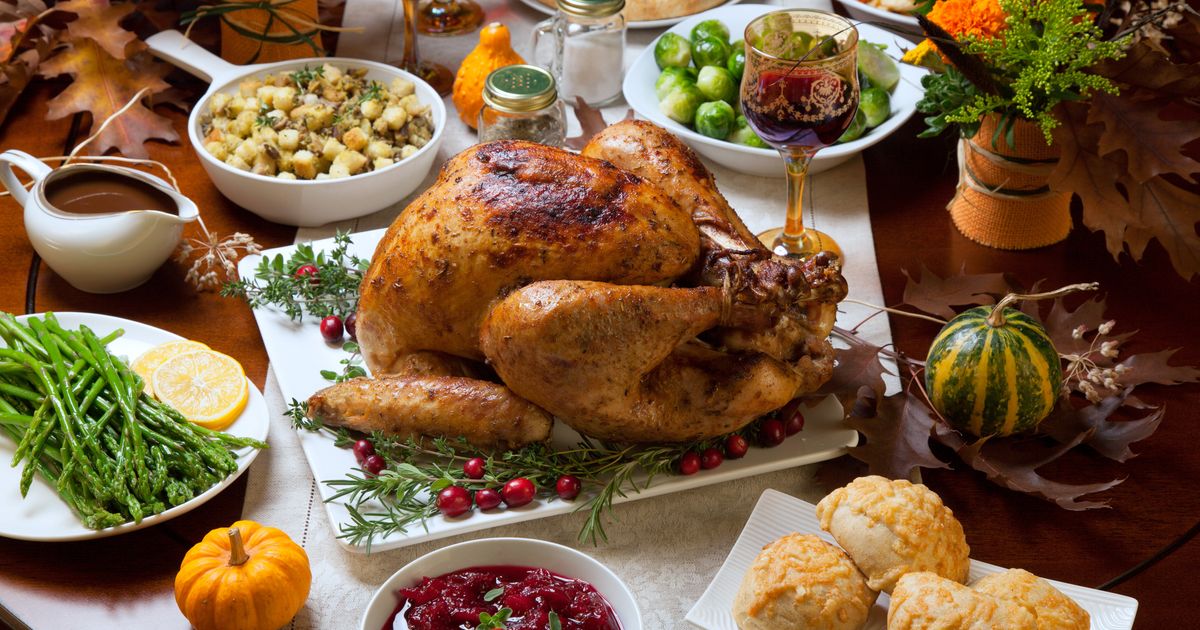
Sometimes it seems like the winter holidays are all about food—Grandma’s famous pie at Thanksgiving, cocoa and cookies with the neighbors, a full spread at the office potluck.
But if you’re taking a glucagon-like peptide-1 receptor agonist drug (such as Ozempic or Wegovy) for diabetes or weight loss, your relationship with food has likely changed. GLP-1 medications slow down your digestion so that you feel full longer, meaning that you usually eat less. They often reduce “food noise,” or excessive thoughts and cravings about food.
That’s helpful for weight loss and your overall health, but at the holidays you might want to enjoy some favorite treats. With some planning, you can.
“Your appetite and portions may look different than they used to and that’s completely OK. You can still enjoy the foods you love, just in smaller amounts that feel comfortable now,” says UNC Health family medicine doctor Ana Morais, MD.
1. Adjust expectations and have a plan
Before you attend a holiday gathering, consider your own expectations. You may associate certain get-togethers or parties with the food traditionally shared there, but it can help to consider all the reasons you’re excited for the event—maybe you get to meet your new niece or see a friend you haven’t seen in a long time.
“Focus on the social part of it,” Dr. Morais says. “Think ahead about the parts of the gathering you’re looking forward to, whether that’s catching up with people while on a walk or playing a game.”
If you’re bringing a dish, ask your host if you can bring something you know sits well with you—like a veggie dish or a lean protein—so you have options that help you feel good.
It can also be helpful to think through how you’ll say no to food if you have a relative who pressures you to eat more.
“You can say, ‘It looks great, it must taste delicious, but I’m full right now,’” Dr. Morais says. “If you feel comfortable sharing that you’re on a medication, you can do so and tell people you’re working really hard on this treatment. But if you don’t feel comfortable sharing, just say that you’re satisfied and thank them for caring.”
2. Don’t skip meals — or your medications
You may be tempted to skip breakfast so you can eat more at a holiday lunch or go all day without eating so you can load up at the holiday party.
“If you go all day without eating, what tends to happen is you then overeat,” Dr. Morais says, noting it will be harder for you to make choices that feel comfortable for your body if you’re really hungry.
Dr. Morais says that some of her patients have confessed to skipping doses of their GLP-1 medication so they can eat more at the holidays or on vacation.
“They always end up regretting it, because if you stop taking it for more than two weeks you have to restart the medication at the initial dose,” she says, which means you may again experience the side effects that can happen at first, such as nausea, vomiting, acid reflux, abdominal pain and bloating. “I don’t recommend skipping or lowering your dose. Consistency is really important.”
Skipping even a week of medication can increase your hunger, which can impact your long-term goals.
3. Think about the structure of your plate
When it comes time for a meal or buffet line, consider the composition of your plate.
On a typical day, “half of your plate should be nonstarchy vegetables, a quarter of your plate should be a lean protein and the other quarter should be whole grains or starches,” Dr. Morais says.
Of course, at many holiday gatherings, the vegetables might be in creams, gravy or butter, and a lot of the offerings will be starches. Do the best you can—look for roasted veggies, for example. And think about the portion you need. While your host may provide a large dinner plate, you don’t have to fill it completely.
Focusing on these smaller portions can help you enjoy your traditional favorites. You might find that eating just a few bites of stuffing is satisfying now in a way it wasn’t before the medication.
“If there’s something you want to have, you don’t have to skip it altogether,” Dr. Morais says. “You can have a small portion and savor it, but try not to have the starches—corn, rice, yams, pasta, bread—exceed that quarter of your plate.”
4. Know which foods will cause side effects
Some foods can cause or worsen side effects such as nausea, indigestion and bloating when you’re taking a GLP-1, and they’re often the type of food we eat on holidays.
“The high-carb and high-fat foods tend to amplify side effects, so try to fill up on fiber and lean protein,” Dr. Morais says. “If you love going for seconds, make your seconds those nonstarchy vegetables.”
If possible, take a break between your meal and dessert.
“Maybe everyone goes for a walk, gets outside, has time to digest, and you have pie later,” Dr. Morais says.
Already feeling full but hate to miss your aunt’s pumpkin roll? You could also ask for a slice to go and enjoy it later.
5. Be mindful about alcohol.
5. Know which foods will cause side effects
GLP-1s can change a your appetite for and tolerance of alcohol. You might not want a glass of wine or a holiday beer this year, and that’s OK.
If you do drink, try separating the drink from the meal so you can focus on enjoying the food. If you’re drinking while mingling, alternate an alcoholic beverage with water or a seltzer.
“The alcohol will probably hit you a little harder than you’re used to because of the way medications slow down your gastrointestinal system, especially if you’ve been drinking less lately,” Dr. Morais says. “Savor your drink with small sips instead of rushing.”
If you’re making a mixed drink, remember that juices and sodas have a lot of sugar; try using just a splash of mixers and fill the rest of the cup with flavored carbonated waters.
6. Don’t neglect other healthy habits
Make sure you’re getting regular exercise and quality sleep during the busy holiday season. Both will improve your mood and help you focus on making the right food choices for you.
“Stay consistent, even if it’s just 15 minutes of a workout video in your room using a can of beans instead of free weights,” Dr. Morais says. “Strength training is really important for people taking GLP-1 agonists, and people often tell me how much weaker they feel when they skip even a few weeks.”
Physical activity can help you connect with your loved ones in ways that don’t involve food—maybe a family member will join you on a hike or get you a guest pass to their gym.
7. Give yourself grace if things don’t go according to plan, then return to routine
Even the best plans and intentions can fail, and you might eat or drink more than you wanted to.
“Give yourself grace, and don’t beat yourself up,” Dr. Morais says.
Instead of feeling guilty, work on returning to your regular eating habits as soon as possible.
“I often see patients return after what was supposed to be a single day of holiday indulgence, only to find themselves derailed for weeks—or even months—throughout the season. During this time, they may feel discouraged and give up on their healthy habits, thinking they’ll restart in January,” Dr. Morais says. “One day doesn’t undo your progress, as long as you return to your routine all the other days in between the holidays.”