
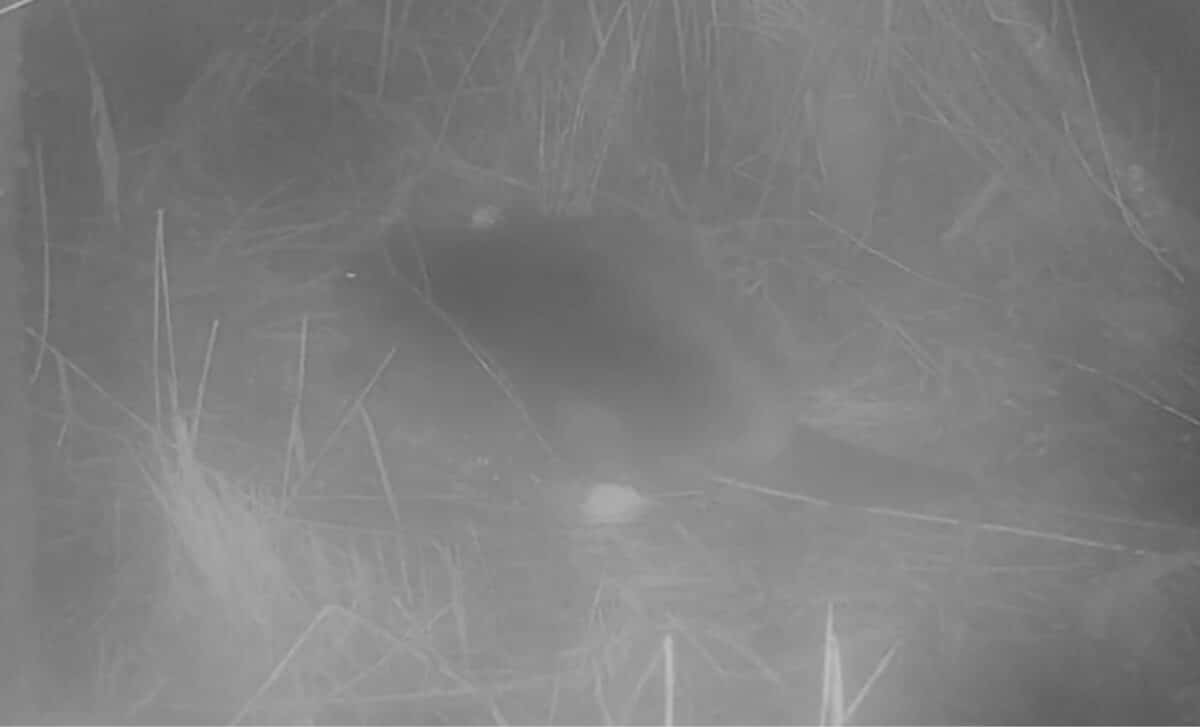
For the first time in over five centuries, a wild beaver has been recorded in Norfolk, England—an unexpected discovery that has left conservationists both excited and puzzled. The animal was caught on camera in recent weeks, dragging branches and building a lodge within the Pensthorpe Nature Reserve, set along the River Wensum.
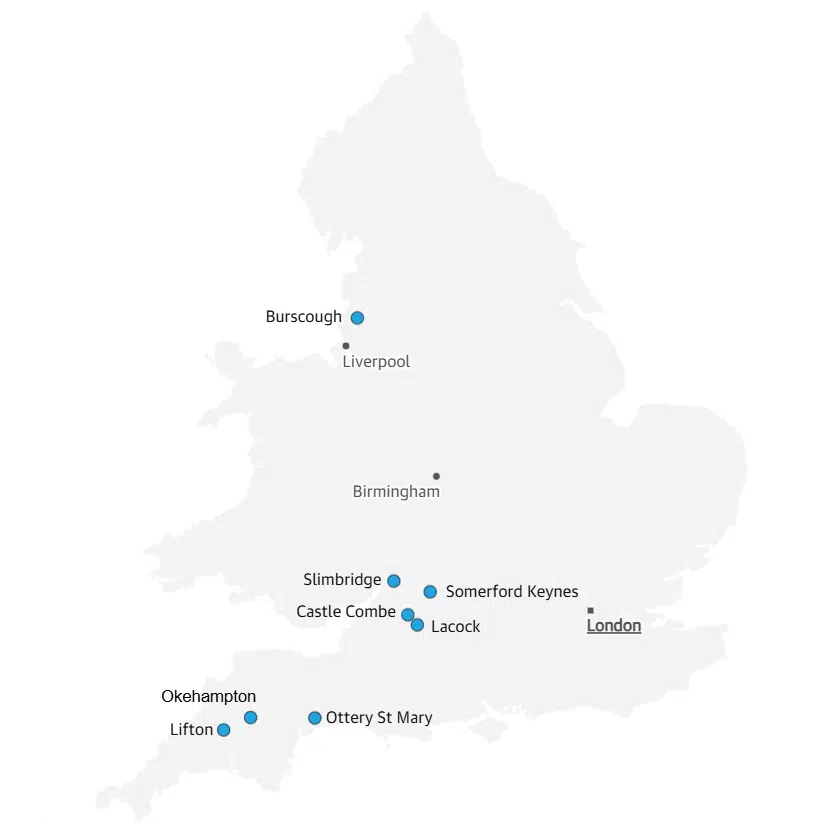 Locations of unlicensed beavers in England. Outdoor fenced enclosures for beavers, excluding zoos, 2000-2021. Credit: Guardian graphic/Natural England
This is not part of a sanctioned reintroduction program. No license was issued, no organization claimed responsibility, and local authorities have yet to explain how the beaver ended up in an area where the species has been extinct since the early 1500s.
How a Species Reappeared Without a Plan
The unexpected appearance of a free-living Eurasian beaver (Castor fiber) comes at a time when the UK government is still weighing its broader strategy for beaver rewilding. In March 2025, Natural England began issuing licenses for projects aiming to reintroduce beavers into the wild. But as of December, only one licensed wild release has occurred—in Dorset’s Purbeck Heaths, where four individuals were introduced under controlled conditions.
More than 39 applications have been submitted, including proposals from The Wildlife Trusts, yet the process has moved slowly. In the meantime, wild populations have quietly taken hold in other regions. Beaver activity has been confirmed in Devon, Kent, Herefordshire, Hampshire, and Somerset, creating pockets of established groups outside of official oversight.
Cameras capture a lone creature collecting materials for its lodge in riverside nature reserve. Credit: The Guardian
Despite this growing presence, there are no known wild populations in Norfolk. There are also no reports of escape from captive enclosures. This has led some experts to consider whether the Norfolk beaver might have been the result of an unofficial release—sometimes referred to as “beaver bombing”, where animals are deliberately set free by rewilding activists.
Richard Spowage, who manages Pensthorpe Reserve, reported that the animal had been living in a secluded section of the park, an area left deliberately wild with dense tree cover and minimal human traffic. He noted that the beaver had likely been active there for at least a month before it was detected.
A Keystone Species with Outsize Impact
Beavers are more than a conservation success story—they’re widely recognized as ecosystem engineers. Their dam-building habits alter landscapes in ways that benefit other species, improve water retention, and reduce flood risks. In the UK, beavers have become central to discussions around nature-based climate adaptation and river restoration.
Their impact has already been observed in trial areas. A 2020 report by the University of Exeter highlighted the positive ecological effects of beaver reintroductions in Devon, including enhanced water quality and improved habitat for amphibians, birds, and invertebrates.
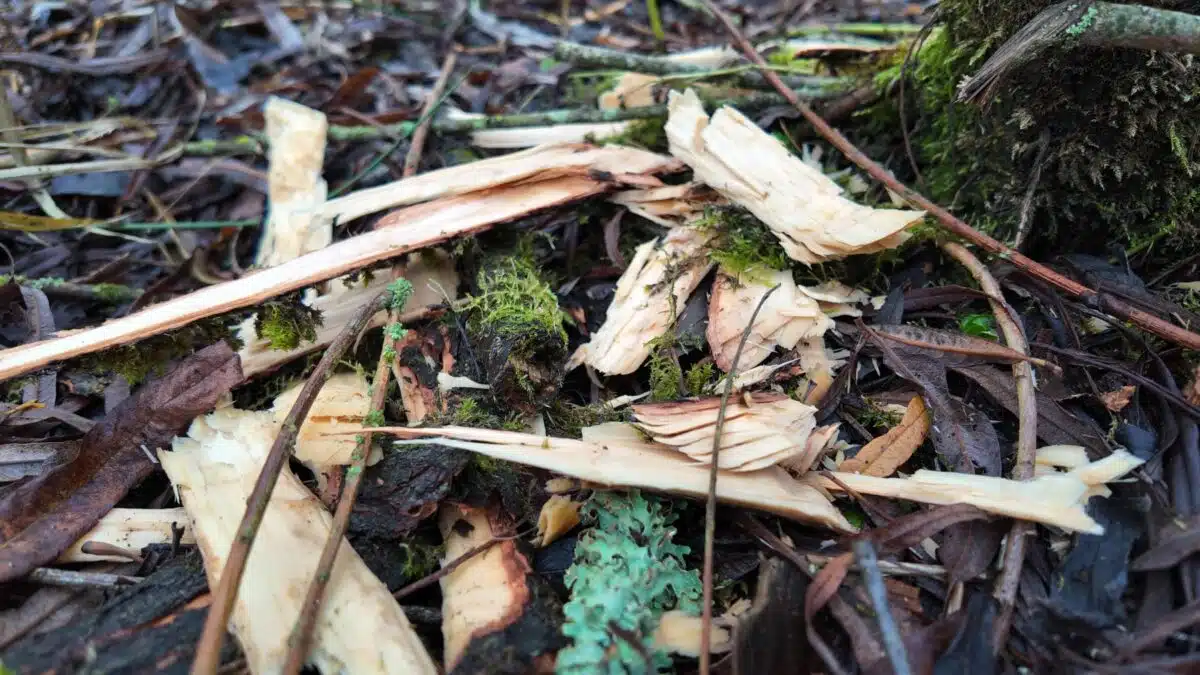
Beavers are nocturnal herbivores, relying on bark, aquatic plants, and tree branches for food and shelter. In Pensthorpe, the animal was seen harvesting willow and stockpiling wood—an instinctive strategy to prepare for cold or flooded conditions by storing food near its lodge.
Although this individual’s age and sex remain unknown, its behavior signals that it is adapting well to the local environment. The River Wensum, one of the UK’s rare chalk rivers, offers a stable water flow and rich biodiversity, making it a highly suitable habitat.
England’s Cautious Approach Faces a New Reality
The Scottish government has taken a more proactive stance on beaver management, formally recognizing the species as native in 2016 and permitting translocations to help grow wild populations. By contrast, England has proceeded slowly, citing concerns from farmers about crop damage, land flooding, and the challenges of monitoring dispersal in a densely managed landscape.
This fragmented approach now faces pressure from unexpected rewilding events like Norfolk’s. If wild beavers can independently colonize new areas—or are being released without approval—how long can England’s controlled model hold?
While Natural England continues evaluating applications, some environmental groups have urged a shift in strategy. They argue that the slow licensing process risks falling behind the realities on the ground, especially as more unlicensed individuals appear across the country.
Pensthorpe’s discovery throws that tension into sharp relief. Whether the beaver arrived naturally via connected waterways or was placed there by human hands, it has established itself without intervention, thriving in a carefully protected patch of wilderness.