
Marc S Canter/Getty Images
Whatever you think of the Rock and Roll Hall of Fame, the Cleveland, Ohio, institution that was founded in 1983, it has proven to be a marker of prestige within the music industry. Each year, prominent industry figures vote to induct a new batch of artists into the Hall of Fame, an event that gets widespread coverage in the music press. To be inducted into the hall is a dream for many musicians, the crowning glory of long careers that are defined by commercial success, critical acclaim, and lasting influence.
The first acts to be inducted in 1986 were those who laid the foundations of popular music as we know it today. Chuck Berry, James Brown, and Elvis Presley were among the very first artists to be honored by the Rock and Roll Hall of Fame, with Aretha Franklin, Bo Diddley, B.B. King, and others following the year after. It goes without saying that the discographies of these artists are some of the most notable ever recorded.
But having said that, no artist is perfect, and the fact is that there are many songs from classic artists that have aged surprisingly poorly — especially when it comes to dated lyrical content. Here are four tracks from Hall of Famers that aren’t going to be winning any awards.
The Beatles – Run For Your Life
Mark And Colleen Hayward/Getty Images
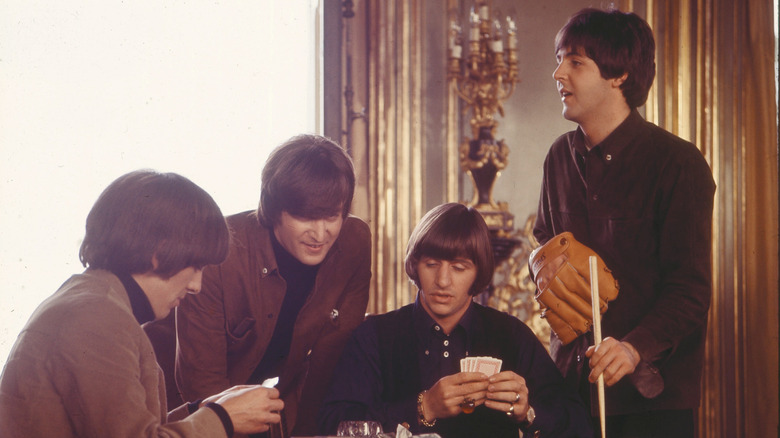
British rock phenomenon The Beatles was one of the acts most certain to be included among the annals of rock music greats. The Liverpool quartet remains the most consistently celebrated band in history, with the music released under The Beatles’ name during the short seven years of the band’s existence continuing to find listeners in the 21st century as new generations of fans look back to explore one of rock music’s most influential bodies of work.
Indeed, for many fans of the Fab Four, the music they put to wax during the 1960s is unimpeachable — the most perfect discography that a band could hope to create. However, “Run for Your Life,” the final track from The Beatles’ seminal 1965 album “Rubber Soul,” provides something of a counterpoint, especially now, with more than a half a century’s worth of hindsight.
Notably clunky and unappealing in performance and structure, the song addresses a “little girl,” the narrator’s love interest, whom he warns against having other entanglements. Indeed, the song opens with an unambiguous warning to the young woman. The song goes on to threaten her repeatedly as the narrator outlines his jealous nature. Written primarily by John Lennon — though the most controversial line is actually lifted from the Elvis Presley song “Baby, Let’s Play House” — the song would become even more tasteless after Lennon came clean in interviews about his abusive behavior toward his first wife. It won’t be found on any greatest hits compilations, that’s for sure.
The Police – Don’t Stand So Close To Me
Hulton Archive/Getty Images
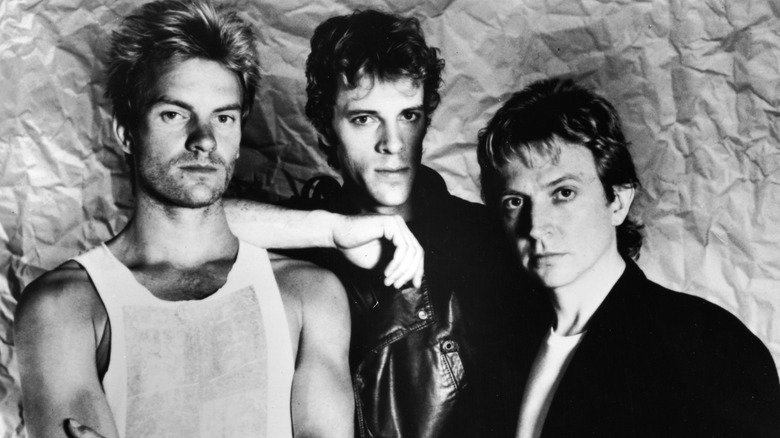
Reggae-rock pioneers The Police became one the biggest bands in the world in the late 1970s and scored a solid run of hit singles before splitting in the aftermath of their acrimonious “Synchronicity” tour in 1984. A survey of their greatest hits shows that the band delivered catchy classics in different registers. Some, like “Every Little Thing She Does Is Magic,” are upbeat, straightforward love songs, while others, such as “Walking on the Moon,” show chief songwriter Sting’s aptitude for extended metaphors that chime perfectly with the band’s instrumentation.
However, The Police are best associated with songs that deal with the sleazier, creepier, more paranoid aspects of relationships. The band demonstrated its ability to handle such subject matter with the release of the debut single “Roxanne,” while their biggest hit, “Every Breath You Take,” takes possessive love to the point of stalkerish obsession.
Indeed, “Every Breath You Take” would have been worthy of inclusion on this list, but there is another song by The Police that really tops it in terms of dated creepiness: “Don’t Stand So Close To Me.” The 1980 earworm, which was a huge hit, tells the problematic story of a teacher and student who form a romantic attachment. Sting himself was a teacher before becoming a rock star, making the song’s lyrical content even more questionable.
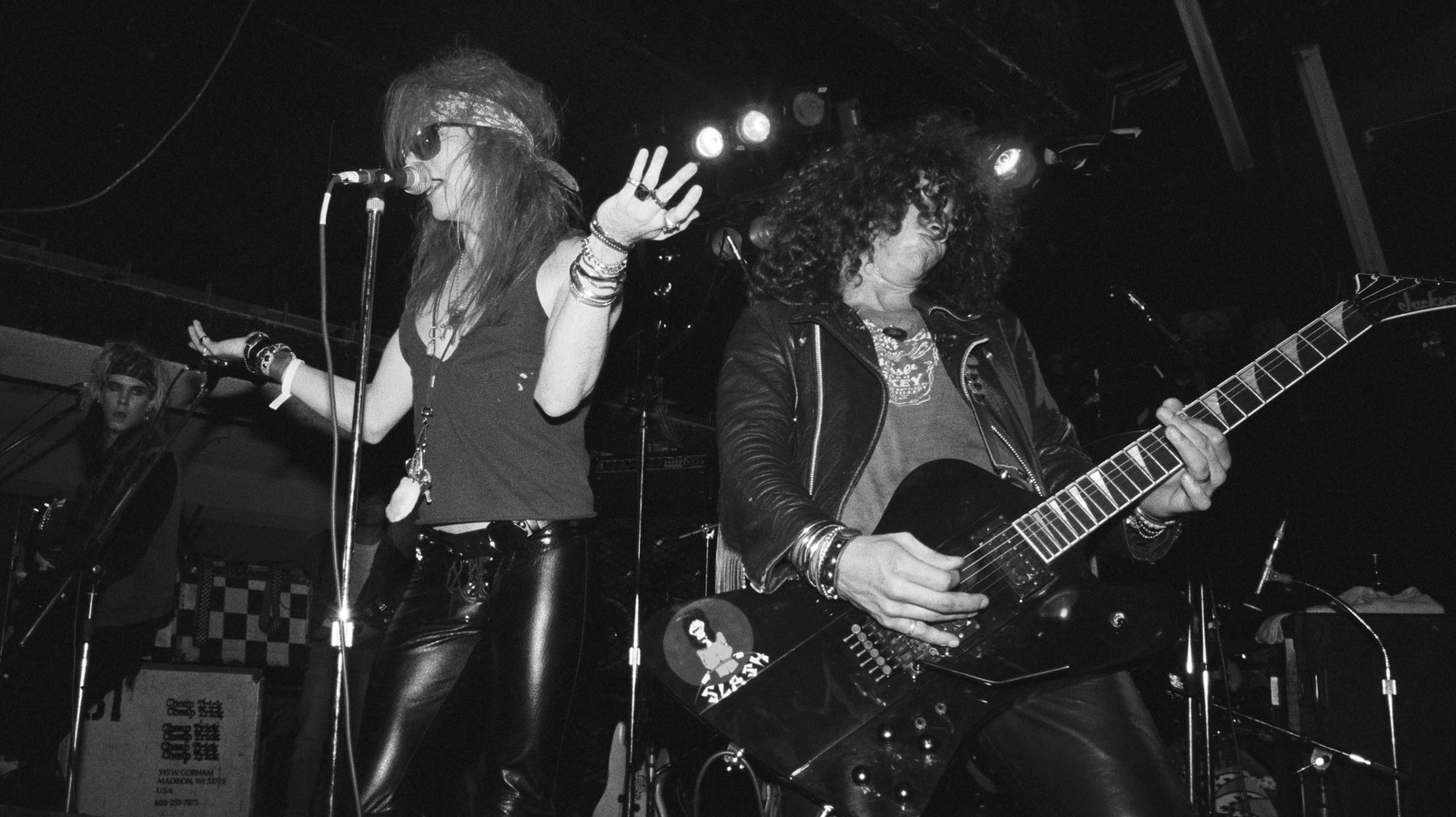
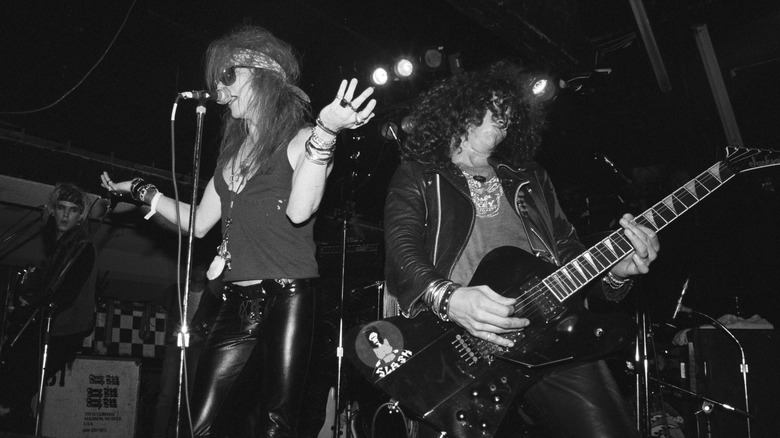
Guns N’ Roses – One in a Million

Kevin Mazur/Getty Images
The 1980s rock outfit Guns N’ Roses isn’t a band particularly well known for thoughtful lyricism, though their biggest songs, such as “November Rain” and “Sweet Child O’ Mine,” exhibit lead singer Axl Rose at his most soulful and reflective. These songs are timeless classics, but many of the tracks Guns N’ Roses released at the height of their fame really don’t stand up — in fact, one track in particular has been deeply problematic since its very inception.
“One in a Million” is a deep cut from Guns N’ Roses’ 1988 release “G N’ R Lies.” A rushed-out double-EP intended to capitalize on the success of the debut studio album “Appetite for Destruction,” it contained early recordings as well as four patchy new songs, including the saccharine “Patience” and the violently misogynist “Used to Love Her.”
But the most shocking song on the record is undoubtedly “One in a Million,” a track in which Rose rails against LGBTQ+ people and immigrants while deploying the worst slurs imaginable. Discussion of the song has revolved around whether Rose is delivering the lyrics from the point of view of an invented character or whether the views therein are actually his own. Though the band’s members have claimed there was no hateful intention behind the song, “One in a Million” was dropped from a later box set, which probably tells you everything you need to know.
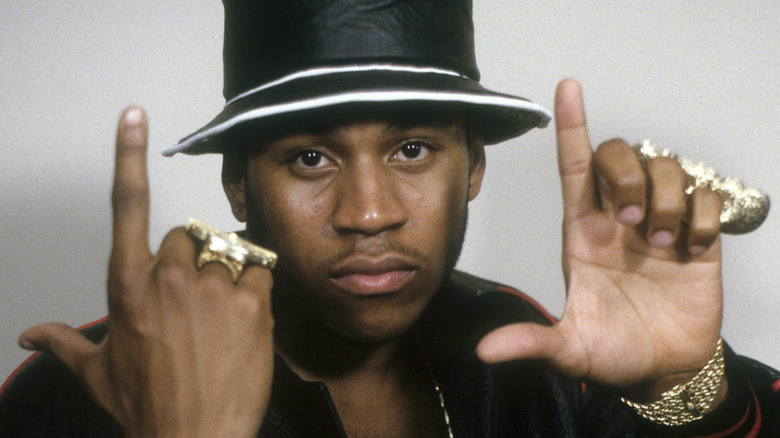
LL Cool J – Big Ole Butt
Al Pereira/Getty Images
Though the Rock and Roll Hall of Fame was initially focused on rock music and the proto-genres that underpinned it, in recent decades the hall has widened its net to induct notable artists from a range of other musical genres, including hip-hop. Among the first rappers to be inducted was LL Cool J, whose output in the late 1980s and early 1990s pushed the genre to new commercial heights and proved hugely influential for artists who followed in his wake.
Many of LL Cool J’s most famous songs have gone down as classics, such as 1990’s “Mama Said Knock You Out,” which sounds as raw and aggressive as it did on its release, and his 1987 track “I Need Love,” which lyrically laid the groundwork for the romantically themed rap and R&B crossovers that would dominate the charts in the late 1990s and 2000s. But not everything in LL Cool J’s oeuvre is worth revisiting. For example, the single “Big Ole Butt,” which peaked at No. 13 on the Hot Rap Songs chart in October 1989, makes for a pretty cringeworthy listen today. A dated slice of childish braggadocio, the lyrics are a narrative in which the speaker — presumably based on Cool J himself — leaves three women in turn for someone else because they have a larger derriere.
Though arguably unremarkable among the themes that permeated the rap landscape of the era, “Big Ole Butt” is nevertheless surprising for the rapper’s barbed delivery of the line “I’m leaving you,” as well as a questionable verse in which the narrator picks up a 17-year-old after going to a “high school about three o’clock to try to catch a cutie.” It goes without saying that the humor the song may once have displayed is now lost.