
Covering tragedy isn’t glamorous. It’s the part of photography that no one shows in behind-the-scenes reels, and it’s the part new photographers usually have no training for. You don’t learn how to handle grief, shock, or community devastation by watching gear reviews. You learn it the day you walk into a situation where pain fills the air, and every grieving face turns toward you as if you’re intruding on something sacred.
One of my very early assignments more than 10 years ago as a newspaper journalist was a funeral for two middle school teens who died in a suicide pact. It was a big story for a rural community, and I understood that, but I walked in and immediately felt the weight of every stare. It wasn’t subtle.
Blending in was never an option among this crowd. People were looking straight at me, not with curiosity, but with disgust at the presence of a camera when their world had just fallen apart. That moment taught me more about ethics than any journalism course ever could. It showed me that respect, not access, is the photographer’s first responsibility.
Respect Isn’t Optional
You can’t walk into a tragic scene assuming you’re invisible. People see you, and they interpret your intentions long before you raise the camera to your eye. Respect isn’t something you sprinkle in afterward; it’s the foundation of your operation. There are times when the most ethical thing you can do is put the camera down. Not because you’re afraid to shoot, not because someone scolded you, but because photographing a moment would deepen someone’s pain. That decision carries consequences. Your editor might question your judgment. Someone might accuse you of missing the story. But at that moment, I believe dignity matters more than the assignment.
Document, Don’t Exploit
Photographers covering tragedy often talk about “telling the story,” but there’s a difference between telling it and taking from it. A responsible photographer documents events without exploiting the people living through them. You learn quickly that you don’t need to record grief in its rawest form to convey the truth. Sometimes context tells the story better than faces contorted by pain. And sometimes stepping back gives the community the space they need while still allowing you to do the job. Ethical coverage isn’t about getting the most dramatic shot. It’s about showing what happened without stripping away someone’s humanity in the process.
The Variable Weight of the Scene
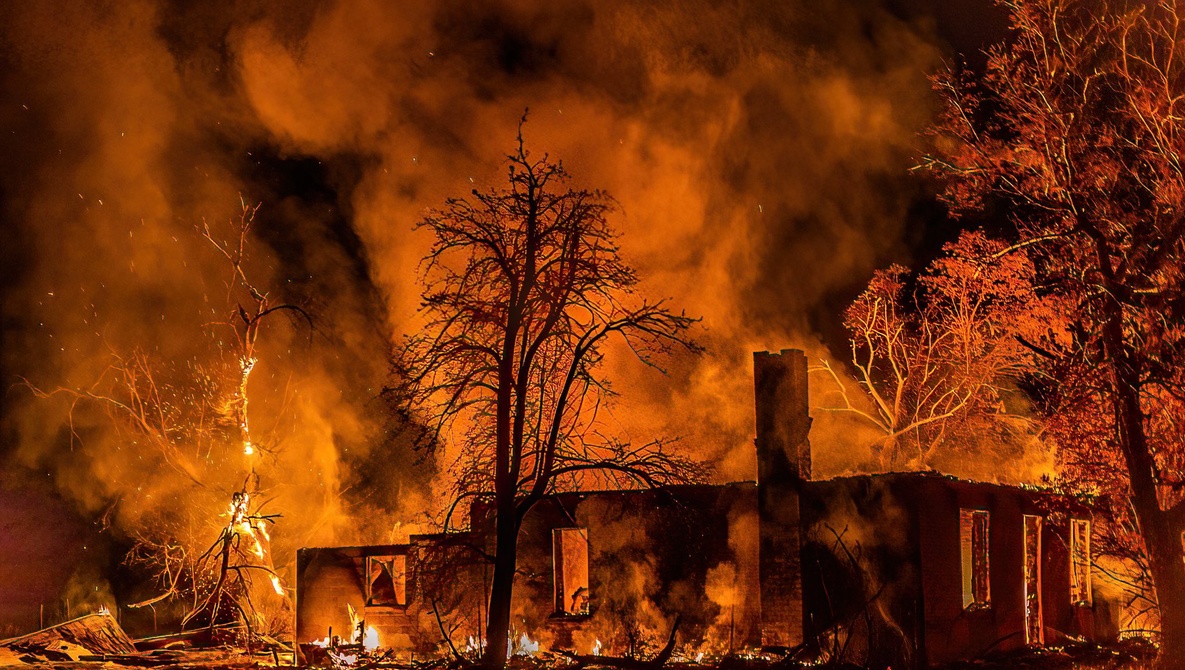
Different tragedies carry different emotional tones. Domestic violence scenes are sharp with chaos and fear. Wildfire or structure fire victims often carry a hollow, exhausted grief. Accidents bring confusion, panic, and vulnerability. Each situation requires a different internal response from the photographer. Covering multiple SWAT standoffs in rural neighborhoods, including one on Halloween night, taught me that your presence alone can add pressure to an already fragile situation. Officers are focused on safety, not media access. Neighbors are scared. Kids are crying. You find yourself choosing every movement carefully, trying to stay out of the way while still doing your job. There’s no script for those moments, only judgment, experience, and empathy.
You’re Human First, Whether Anyone Admits It or Not
There’s a stubborn myth that photojournalists become numb to what they see, that the lens acts like a shield. But the truth is you absorb more than you realize in the moment. It hits later, on the drive home or long after the assignment is filed. Cover enough tragedies and you begin to understand the toll: the quiet fatigue of the drive home, the way certain sounds or scenes stick with you, the nights when you replay details you wish you didn’t remember. Being human doesn’t make you less capable. It makes you more aware of the responsibility you carry.
Trust Grows From Restraint, Not Access
Communities remember how you behave. First responders remember whether you got in the way or stayed mindful of their work. People remember whether your photos respected the dignity of the moment. Ethical coverage doesn’t earn applause in the moment; it earns trust slowly, over years. And that trust is built not on the shots you take, but on the ones you choose not to.
What Matters Most
Photographing tragedy is a burden and a privilege. You are documenting events that will become part of the community’s history. Those images will outlive the moment, and maybe even the people in them. The work matters, but dignity matters more. And the real measure of a photographer covering tragedy isn’t how close they get; it’s how carefully they handle what they find.