

NHS has vital decongestant guidance as UK faces ‘unprecedented flu season’ with more and more people falling ill
Charlotte Smith Senior Lifestyle Content Editor
14:44, 08 Dec 2025Updated 17:51, 08 Dec 2025
 Some people should be careful before taking decongestants (Image: Getty)
Several groups of people are being encouraged to consult a healthcare professional before using popular over-the-counter cold and flu treatments, as per NHS recommendations. In the UK, some of the most frequently used cold and flu medications include well-known decongestant brands like Lemsip, Benylin, and Beechams.
These products often contain ingredients such as paracetamol for alleviating pain and reducing fever, decongestants like phenylephrine to help with respiratory issues, and caffeine to for energy. Lemsip’s hot beverages, Beechams’ capsules, and Benylin’s cough syrups are commonly found in many homes, and combination products are effective in relieving multiple symptoms, including fever, pain, congestion, and coughs.
At present, UK hospitals are dealing with an unprecedented flu season, according to NHS chiefs. The number of people with the flu in hospitals has hit a record high in England, with a ‘cover mouth and nose’ and ‘stay at home’ alert issued.
This year’s flu season started a month earlier than usual, and experts are warning that a more severe strain of the virus seems to be circulating. Vulnerable people, including the elderly and those with weakened immune systems, who catch the flu are at a greater risk than healthy people. However, even a healthy person can become sick and taking decongestant medicines can help, reports the Mirror.
While over-the-counter medicines like Lemsip, Benylin, and Beechams can be beneficial in alleviating symptoms or speeding up recovery from a virus, they are not suitable for everyone. Certain people should avoid these products due to their active ingredients (such as paracetamol and decongestants like phenylephrine) and potential interactions with existing health conditions or other medications.
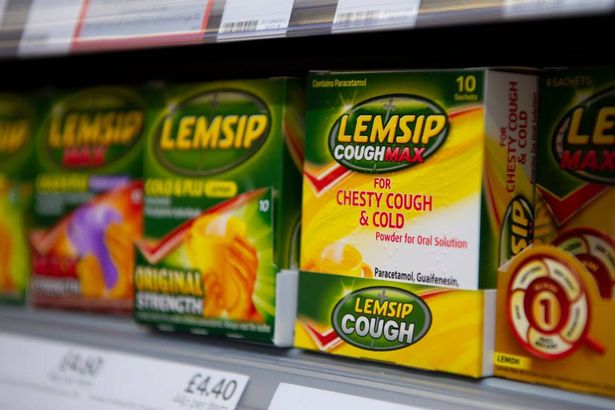 Some people should be careful before taking decongestants(Image: Getty)
It’s crucial to read the patient information leaflet included with the medicine, which provides comprehensive details about the ingredients, substances to avoid, and possible side effects. For further guidance, consult your pharmacist or doctor.
Who should avoid decongestants like Lemsip, Benylin, and Beechams?
Whilst most people can safely use decongestants, they may not be appropriate for everyone due to ingredients such as phenylephrine/pseudoephedrine and dextromethorphan/guaifenesin. The NHS advises that the following groups should seek advice from a pharmacist or GP before using decongestants:
people taking other medicines – especially paracetamol productspeople with diabetespeople with high blood pressure and taking beta-blockerspeople taking, or who have recently taken, certain antidepressantspeople with an overactive thyroid gland (hyperthyroidism)men with an enlarged prostatepeople with liver, kidney, heart or circulation problemspeople with increased pressure in the eye, glaucomapeople allergic to any of the ingredientspregnant or breastfeeding womenpeople with asthma should consult a doctor or pharmacist before use
These products should not be used by those who are taking or have taken monoamine oxidase inhibitors (MAOIs) or tricyclic antidepressants within the last two weeks, due to the potentially life-threatening risks of a hypertensive crisis and serotonin syndrome.
Consuming excessive amounts of paracetamol can cause severe damage to your liver. Numerous cold and flu remedies already include paracetamol in their formulation.
 UK hospitals are facing an unprecedented flu season
People suffering from liver conditions (such as alcoholic liver disease), severe kidney disorders, significant cardiac problems, hypertension, hyperthyroidism, diabetes, or glaucoma should avoid these medications unless approved by a medical professional.
Decongestants are typically unsuitable for use during pregnancy or whilst nursing, as they may affect blood pressure and could reduce milk production. Always consult your GP or midwife beforehand.
The majority of Lemsip and Beechams products are unsuitable for children under 16 years of age. Benylin products feature varying age restrictions depending on the particular formulation; always examine the packaging.
The NHS adds: “Ask a pharmacist or GP before taking decongestants if you’re taking other medicines. Decongestants can increase or decrease the effect of some other medicines. For example, taking decongestants alongside some antidepressants can cause a dangerous rise in blood pressure.
 Do you know the difference between cold and flu?
“It’s also important to be careful when taking other medicines if you’re using an ‘all-in-1’ decongestant remedy. ‘All-in-1’ decongestants also contain painkillers or antihistamines, so it could be dangerous to take extra doses of these medicines at the same time.”
Decongestant medicines typically have minimal side effects, and any that do occur are generally mild. Potential side effects could include drowsiness (opt for non-drowsy alternatives), nasal lining irritation, headaches, nausea or vomiting, dry mouth, restlessness or agitation, and skin rash.
These side effects should dissipate once you cease taking the medication. However, more severe side effects can occur, such as hallucinations and serious allergic reactions (anaphylaxis), though these are exceedingly rare.
Most decongestants are typically recommended for use between one and four times daily. Refer to the patient information leaflet included with your medication for guidance on the appropriate dosage and frequency. If you have any doubts, don’t hesitate to consult a pharmacist for assistance
Decongestant nasal sprays and drops should be used for a maximum of one week continuously, as prolonged use may exacerbate congestion. If your symptoms persist beyond this period, please consult a GP.
Certain medications contain a high sodium content, which could be problematic if you’re required to restrict your sodium intake. It’s also advisable to abstain from alcohol when taking medicines containing paracetamol, as this can increase the risk of liver damage. These medications may also induce dizziness, restlessness, or confusion, so take care when driving or operating machinery.