
 4 min read
Anticipating which design and home trends we’ll see in 2026 means keeping an eye on the old ones about to make a comeback. And, as it happens, a lot of trends are primed to make a comeback, proving once again that the old will always become new again.
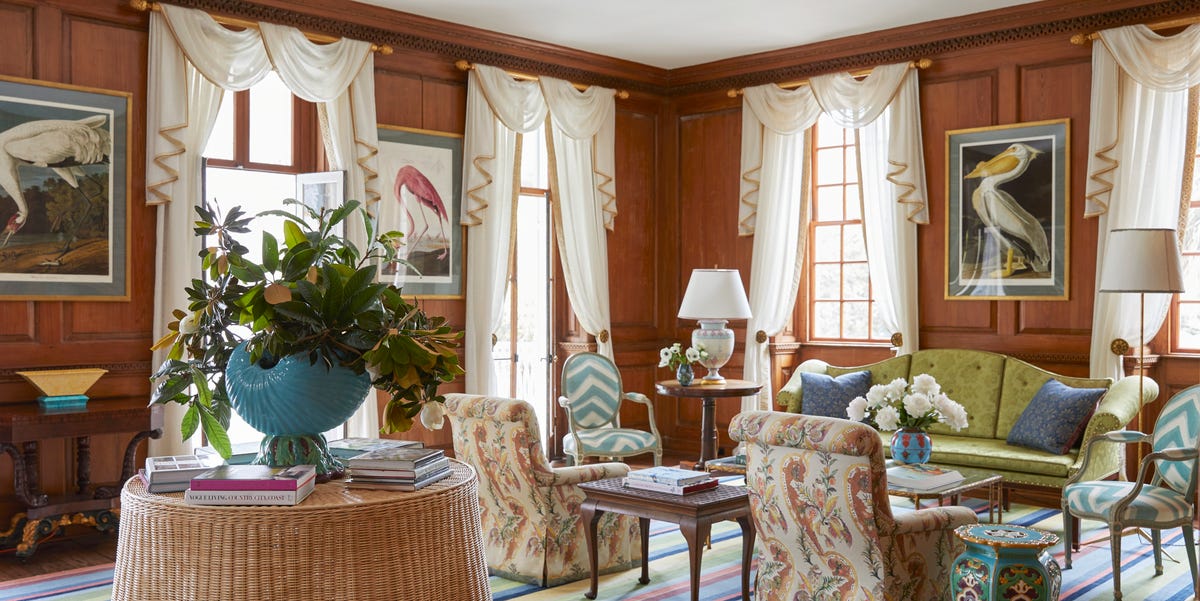
“Some of the design trends resurfacing today feel simultaneously fresh and nostalgic,” says Tommy Zung, founder of Studio Zung. This is good news for the massive pelican print you impulse bought at an estate sale and are now worried looks a bit too grandma-chic, ditto that sleek chrome lamp you loved in the showroom but now seems better suited to Captain Kirk’s USS Enterprise than your apartment‘s living room. According to nine different interior designers, all that, and more, is coming back this 2026.
Chrome and Silver
“After decades dominated by warmer, matte finishes, chrome is resurfacing again in 2026 with fresh relevance,” says Cayley Lambur, c0-founder of Electric Bowery. “Its cool clarity and light-reflective quality feel modern again, especially when balanced with natural textures and softer materials that are in vogue.”
Indeed, some of our own editors noticed this resurgence earlier in the year. The Office of Charles de Lisle designer, Henry Parsons, noted how the look “strikes a chord with younger furniture buyers in search of pieces which feel both fresh and historically relevant,” adding that the current interpretation balances a retro look with a timeless taste. Interior designer Shea McGee of Studio McGee echoes this sentiment, saying that we’ll only see more of this metallic in the year to come. “Whether it’s flatware, frames, or a subtle metal detail on furniture, silver adds that collected, refined touch without ever shouting for attention,” says McGee.
 Matthew Williams
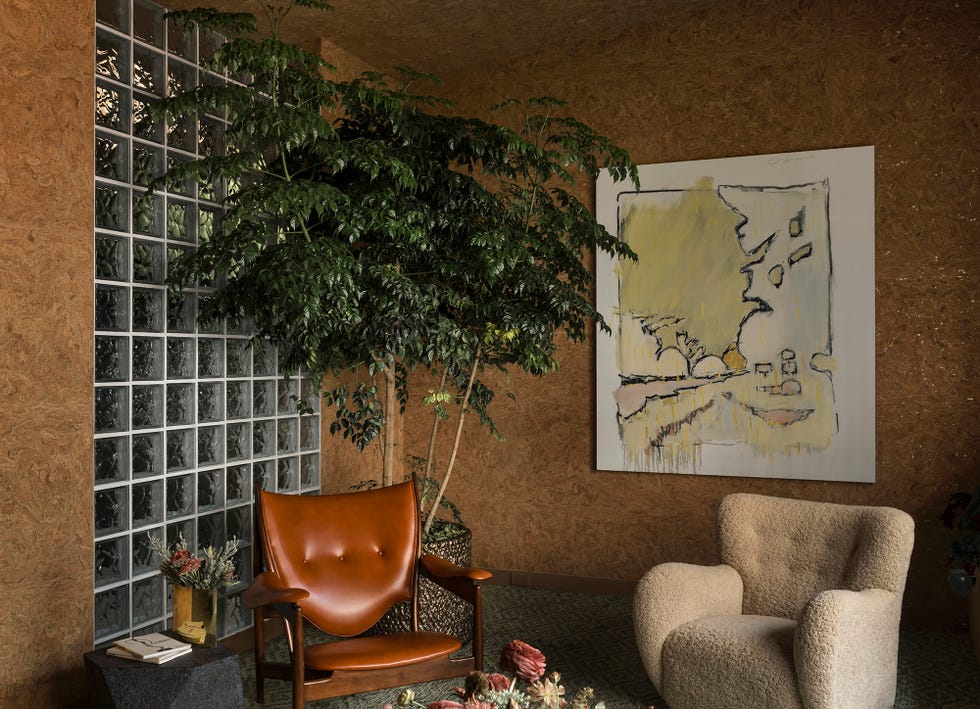
James Huniford of Huniford Design Studio describes these partition walls made of glass blocks as a way to break up a space while still creating a flow for light.
Glass-Block Wall Partitions
Speaking of the retro-inspired, James Huniford of Huniford Design Studio has been favoring this Mad Men-esque wall design made of semi-transparent blocks of glass as of late. As he finds himself designing more flexible, layered interiors, the architectural “relic of the ’70s” is helpful for breaking up an open-plan space while maintaining a natural flow of light and space. “They offer a subtle retro nod, but when paired with contemporary materials, the look becomes less nostalgic and more sculptural,” Huniford says.
Botanicals & Audubon Prints
“I’m not sure they were ever fully out,” confesses Thomas Jayne of Janye Design Studio, referring to the bird and nature sketches you might find in an old field guide. “Perhaps they once felt overly familiar and a bit antiquated for a time, yet their clarity and delicacy still feel remarkably fresh.” He notes that the 2026 iteration moves away from the ornate, museum-coded gilded framings, and more toward a sleek contemporariness that “highlights their scientific charm.”
Sculptural Accents
Zoe Feldman, founder of Zoe Feldman Design, sees this trend in the return of romantic silhouettes: “A sculptural slipper chair, a gently arched doorway, a rolled-arm sofa with just the right sweep… These shapes soften the architecture and create a sense of intimacy.” Zung has also noticed what he calls a “renewed appreciation for organic, curved furniture,” qualities that clients overlooked in the past but have begun to appreciate for their dynamism.
 Ethan Herrington
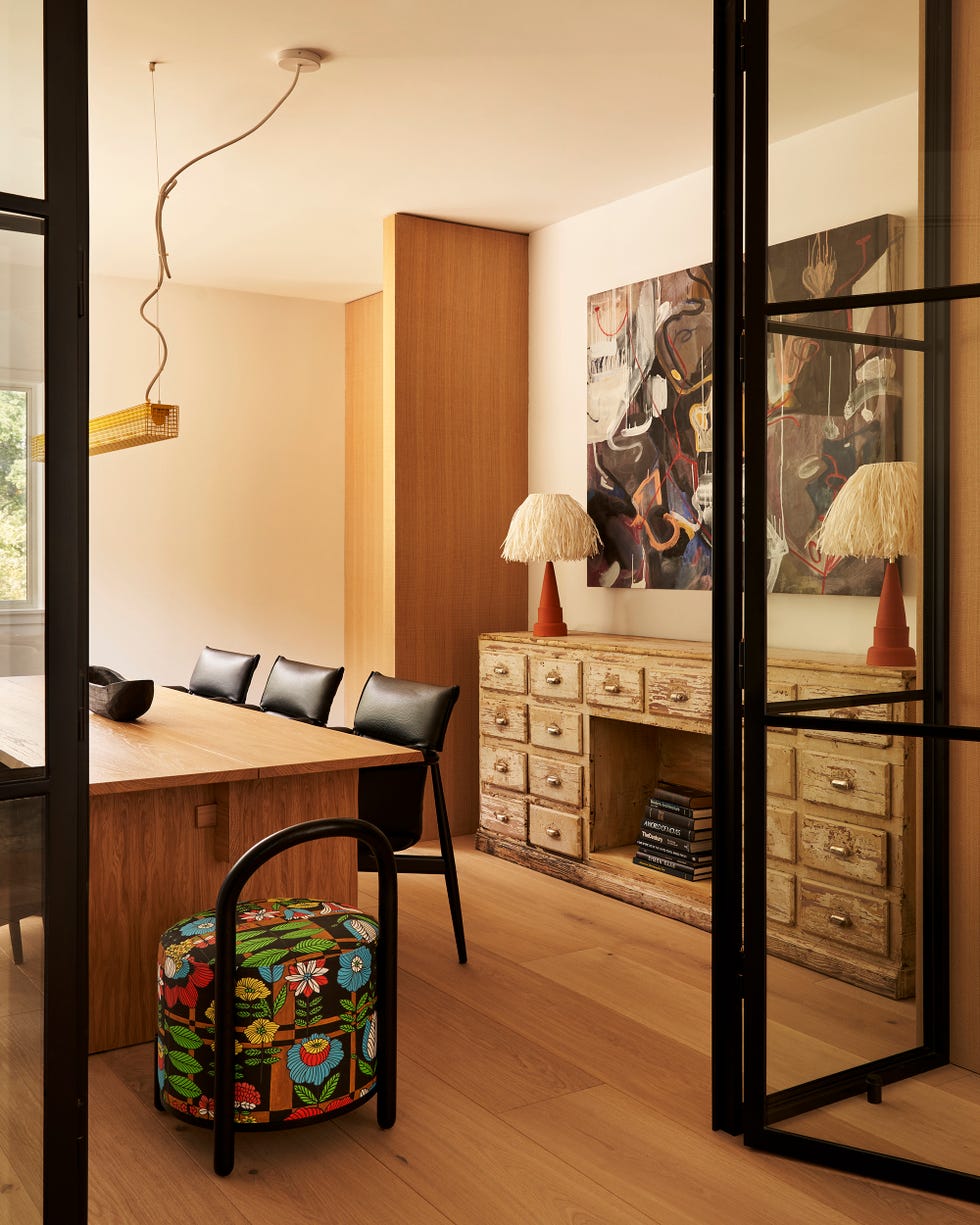
Designers like Zoe Feldman and Ghislaine Viñas have noticed a surge in warmer shades.
Warm Hues
The return of cool chromes is balanced by an uptick in warmer hues. Feldman has specifically seen this duo in the flooring and millwork space. “They bring an instant sense of permanence, especially in a new build,” she notes. Living in upstate New York, Ghislaine Viñas has been incorporating more chocolate browns, burgundy, deep greens, sage, and yellows in her own nostalgic return to retro palettes. “Think ’70s burnt orange, ochre, warm browns, rust, terracotta,” says Viñas. “All that autumnal goodness.”
The Craftsmanship of “Quiet Luxury”
A few designers noted a trend toward more thoughtful and intentional craftsmanship, such as real or reclaimed wood, natural stone, and exceptional materials like alpaca and mohair as well as handcrafted details. Clive Lonstein calls it a “renewed commitment to sustainability,” that has the added benefit of creating environments that feel more grounded and thoughtful. And Zung views this as a coalescing of multiple trends that point to “a deeper admiration for craftsmanship and longevity,” and a means of satisfying a popular craving for layered and inviting spaces grounded in a story. Heather Hilliard of Heather Hilliard Design dubs this “the craftsmanship of quiet luxury.”
“I think everyone was a bit fatigued over the past year or so from hearing ‘quiet luxury’ in regard to fashion and interiors, yet the ethos has only gotten stronger,” Hilliard says. “The look may be understated, but the craftsmanship comes into focus and becomes the true marker of luxury.”