
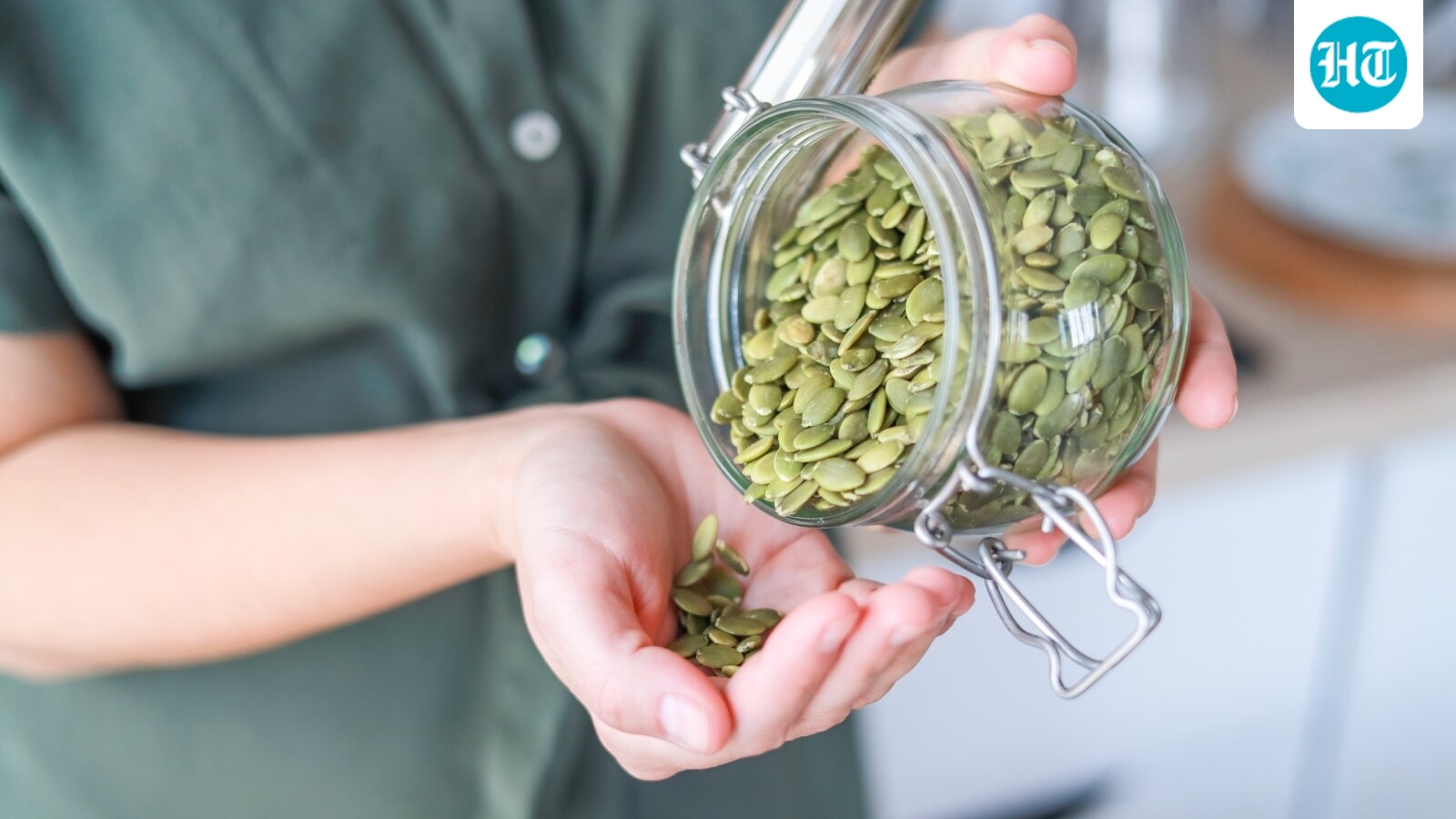
Pumpkin seeds have quietly earned a spot on the list of popular ‘superfoods’, thanks to their rich dose of magnesium, zinc, antioxidants, and healthy fats. Many people sprinkle them on salads, blend them into smoothies, or eat them as a crunchy snack. But while pumpkin seeds offer impressive health benefits, they aren’t suitable for everyone — and eating them the wrong way or in excess can cause more harm than good. Like most nutrient-dense foods, they need to be consumed mindfully. So, if you’ve been snacking on them daily or considering adding them to your routine, here’s what you should know about their possible side effects and who should avoid them.
 Pumpkin seeds can be nutritious, but too much may cause problems!(Adobe Stock) 5 side effects of pumpkin seeds you should know1. May cause digestive discomfort
According to Ayurveda expert Dimple Jangda, “Pumpkin seeds are warm in nature and work well for people with Vata and Kapha body types because they boost digestive fire and promote warmth. However, they are not ideal for those with Pitta imbalance or acidity, as they naturally generate heat and may worsen symptoms.”
Their tough outer coating also makes them harder to digest. Eating them in large quantities may lead to bloating, heaviness, or indigestion, especially if your gut is already weak. People prone to digestive issues should consume them in moderation or opt for soaked seeds to make them easier on the stomach.
2. Not safe for people with allergies
Pumpkin seeds are rich in fiber, healthy fats, magnesium, and antioxidants, and may even support sleep and tissue repair. But if someone has a pumpkin seed allergy or experiences bloating, gas, or indigestion after eating seeds in general, it is best to avoid them, Jangda tells Health Shots. Those with a sensitive gut or chronic digestive issues may also find pumpkin seeds too heavy to break down.
3. Not recommended for young children
Pumpkin seeds may be nutritious, but they are not suitable for young children due to choking risks and digestive difficulty. Digestive systems are still developing in kids, and the hard texture of the seeds can also be tough on their gut. If needed, powdered forms or seed butters are safer alternatives.
4. May lower blood pressure too much
Pumpkin seeds are naturally rich in magnesium, a mineral known for lowering blood pressure. While this is generally beneficial, consuming large amounts of pumpkin seeds may cause excessively low blood pressure in people already taking antihypertensive medicines.
A study published in Food Science & Nutrition found that pumpkin seeds have ACE-inhibitor-like properties, similar to blood pressure–lowering medications. So, if you already have low blood pressure or are on medication, consult a doctor before including them regularly.
5. Can lead to unwanted weight gain
Pumpkin seeds may be tiny, but they are calorie-dense. One cup of whole roasted pumpkin seeds contains around 285 calories, according to the US Department of Agriculture. The American Heart Association recommends one ounce (about a quarter cup or around 28 to 30 grams) of pumpkin seeds a day. However, mindless snacking, especially on salted or roasted varieties, can easily push your calorie intake higher than expected.
Since weight gain happens when calorie intake exceeds what you burn, excessive consumption of pumpkin seeds can contribute to unwanted weight gain, even though they are healthy.
Are pumpkin seeds healthy?
Pumpkin seeds are loaded with healthy fats, fiber, magnesium, iron, selenium, and antioxidants. A study published in Complementary Therapies in Clinical Practice noted that including pumpkin seeds in your diet may help reduce cholesterol and blood pressure, supporting heart health.
Jangda describes pumpkin seeds as sweet and astringent, helping tighten tissues and reduce excess water retention. They also support estrogen metabolism, which is why they are often recommended during the first 14 days of the menstrual cycle in seed-cycling routines.
Rich in fiber, pumpkin seeds can also help relieve constipation and support digestive health. A study published in Nutrients found that their high fiber content improves overall digestive health.
How to eat pumpkin seeds?
The best way to consume pumpkin seeds is by soaking them for at least an hour, which softens their outer layer, making them easy to digest. Here is how to include them smartly:
Eat them in the morning with fruits as part of a fruit–nuts–seeds mixSprinkle soaked seeds on saladsAdd them to smoothies, yogurt bowls, or homemade granolaUse them as a crunchy topping for soups
Limit intake to 1 tablespoon per day if you have a sensitive gut or are watching calories!
(Note to readers: This article is for informational purposes only and not a substitute for professional medical advice. Always seek the advice of your doctor with any questions about a medical condition.)