
Key Points
The Geminid meteor shower will peak overnight from Saturday, December 13, into Sunday morning, offering one of the brightest and most dependable celestial displays of the year.Unlike most meteor showers that come from comets, the Geminids originate from asteroid 3200 Phaethon.Viewing will be best between midnight and 2 a.m. before the crescent moon rises; NASA recommends watching from a dark, open location with minimal light pollution for the best experience.
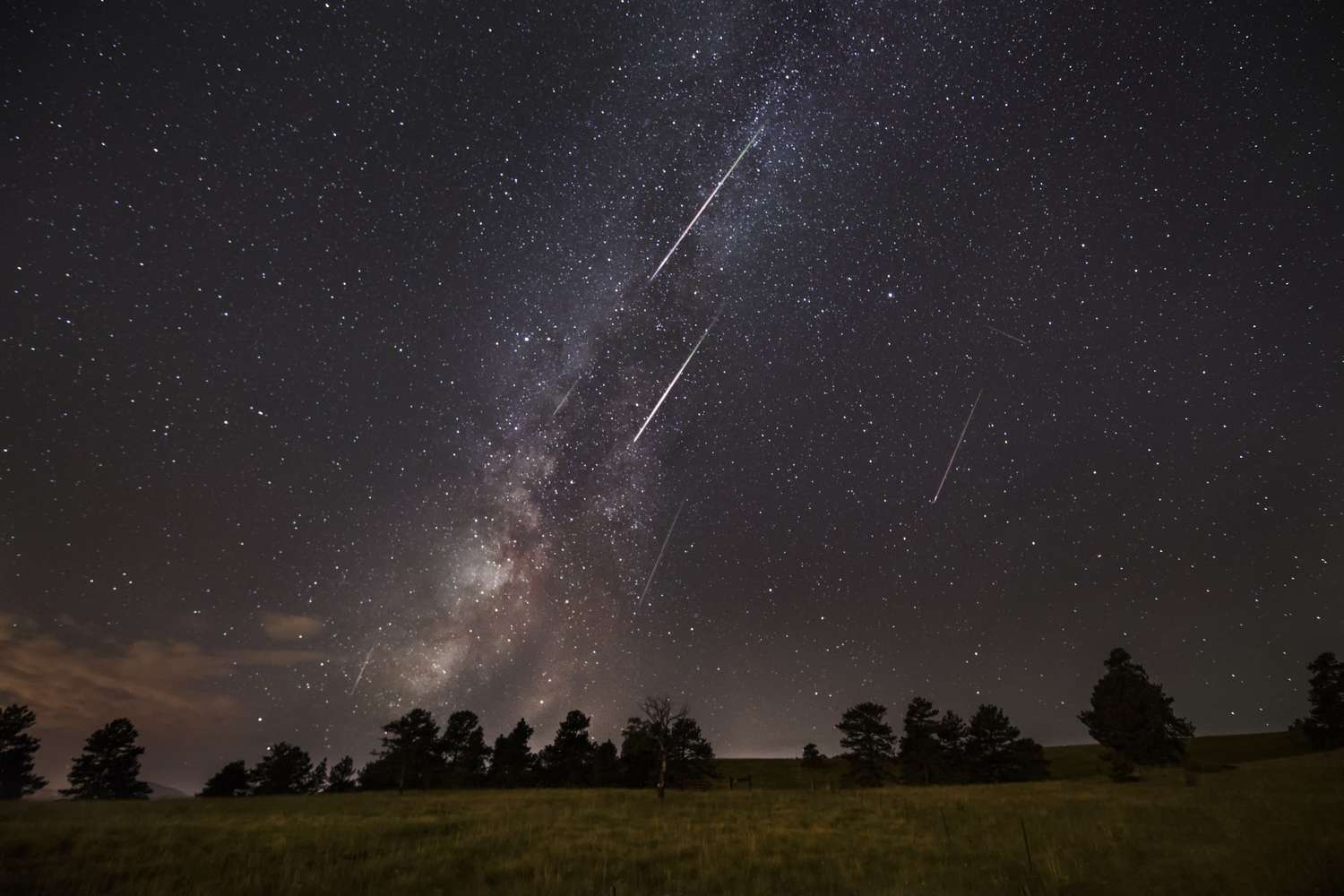
Attention skywatchers! Get ready for celestial fireworks this week when the Geminid meteor shower lights up the night sky.
During the overnight hours of Saturday, December 13, into Sunday morning, the Geminids will reach their peak, according to Space.com. As of last night, the shower has already begun to ramp up, with meteor activity expected to build throughout the week. It’s considered the “strongest and most reliable annual meteor of the year,” per the American Meteor Society.
Unlike most meteor showers, which originate from comets, the Geminids originate from the asteroid 3200 Phaethon. According to NASA, the bits and pieces that break off asteroid 3200 Phaethon to form the Geminid meteors are several times denser than the debris produced by comets.
The Geminids’ radiant, the point in the sky from which the meteor shower appears to come, is the constellation Gemini, also known as the “Twins.” However, NASA notes that you should not only look to the constellation Gemini to see the meteor shower—the shooting stars are visible throughout the entire night sky.
This is one of the best opportunities to see a meteor shower, as it starts around 9 or 10 p.m. That said, 12 to 2 a.m. is the prime time to see the shooting stars, as rates begin to fall once the moon has risen, the American Meteor Society notes. This year, there will be a 27 percent illuminated crescent moon on the night of the shower’s peak, which may get in the way of spotting the Geminids, but it doesn’t rise until just after 2 a.m
To view the shower, find a spot with clear skies, away from light pollution and any tall obstructions. Lie flat on your back with your feet facing south and look up. After about 30 minutes in the dark, your eyes will adjust, and you will be able to see meteors, NASA says.