
It couldn’t see the books returning to surplus in its forecast period to 2028/29. Rather, it saw the deficit narrowing to $3b by this time.
As for “Obegalx” – the new, rosier measure of surplus/deficit the Government created, which excludes the impact of ACC – Treasury saw this reaching a wafer-thin surplus of $200 million by 2028/29.
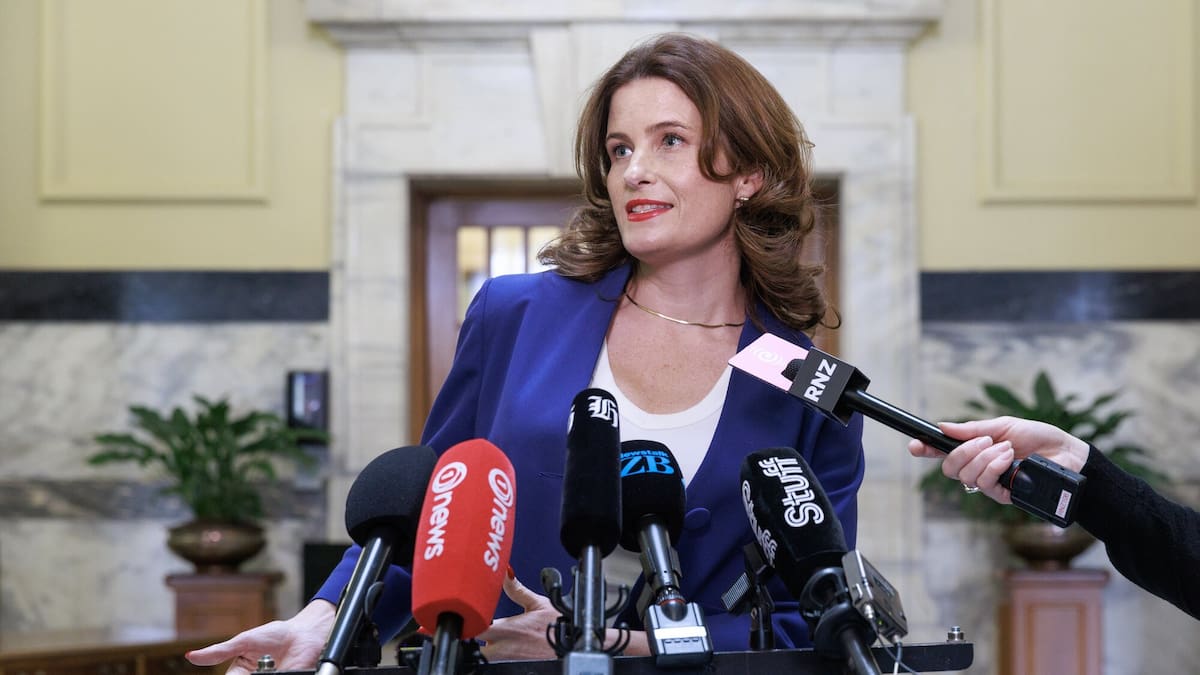
Asked whether sticking to her spending plans risked delaying the return to surplus, Willis said: “It is always the case that forecasts move up and down and that has an effect on when surpluses are posted or not.”
Willis said people would have to wait until next week to see Treasury’s latest economic forecasts.
Treasury is due to publish its Half-Year Economic and Fiscal Update alongside Willis’ 2026 Budget preview, known as the Budget Policy Statement, at 1pm on December 16.
While Willis unveiled her plan to keep the operating allowance at $2.4b, she has in the past ended up implementing smaller-than-signalled allowances.
For example, in late-2024 she said she would have an operating allowance of $2.4b in Budget 2025. But come Budget time, she lowered this allowance to $1.3b.
To put these figures in context, former Finance Minister Grant Robertson had an operating allowance of $4.8b in his final Budget in 2023.
Willis told Newstalk ZB: “We will be sticking to disciplined government spending.
“We will be retaining our intention to get the books back to surplus, to get debt levelling off, to ensure that spending as a proportion of the economy reduces.”
According to the Government’s most recent financial statements, in October, the deficit was $439m deeper than forecast in May at $5.2b. Revenue was a little lower, and expenditure a little higher, than expected.
Net core Crown debt was slightly lower than forecast, at 42.8% of gross domestic product.
Treasury has increasingly been calling for the Government to do more to get its books in shape, Treasury Secretary Iain Rennie noting the books are in a “structural deficit”.
Treasury believes there is scope for the Government to better manage its assets, hike taxes and/or cut spending.
Willis has stressed her intention to “gradually” consolidate the finances, while ensuring the Government delivers quality frontline services.
The Government is soon expected to announce the outcome of a major review it commissioned of ACC, which could come with material upfront savings.
Inland Revenue is also putting more resources into trying to recoup the $9.3b of tax debt it is owed.
It is doing more audits of businesses and considering potential law changes, including an amendment aimed at preventing companies from effectively paying their shareholders using loans (rather than dividends, wages or salaries) to reduce their tax bills.
Jenée Tibshraeny is the Herald’s Wellington business editor, based in the parliamentary press gallery. She specialises in government and Reserve Bank policymaking, economics and banking.
Stay ahead with the latest market moves, corporate updates, and economic insights by subscribing to our Business newsletter – your essential weekly round-up of all the business news you need.