
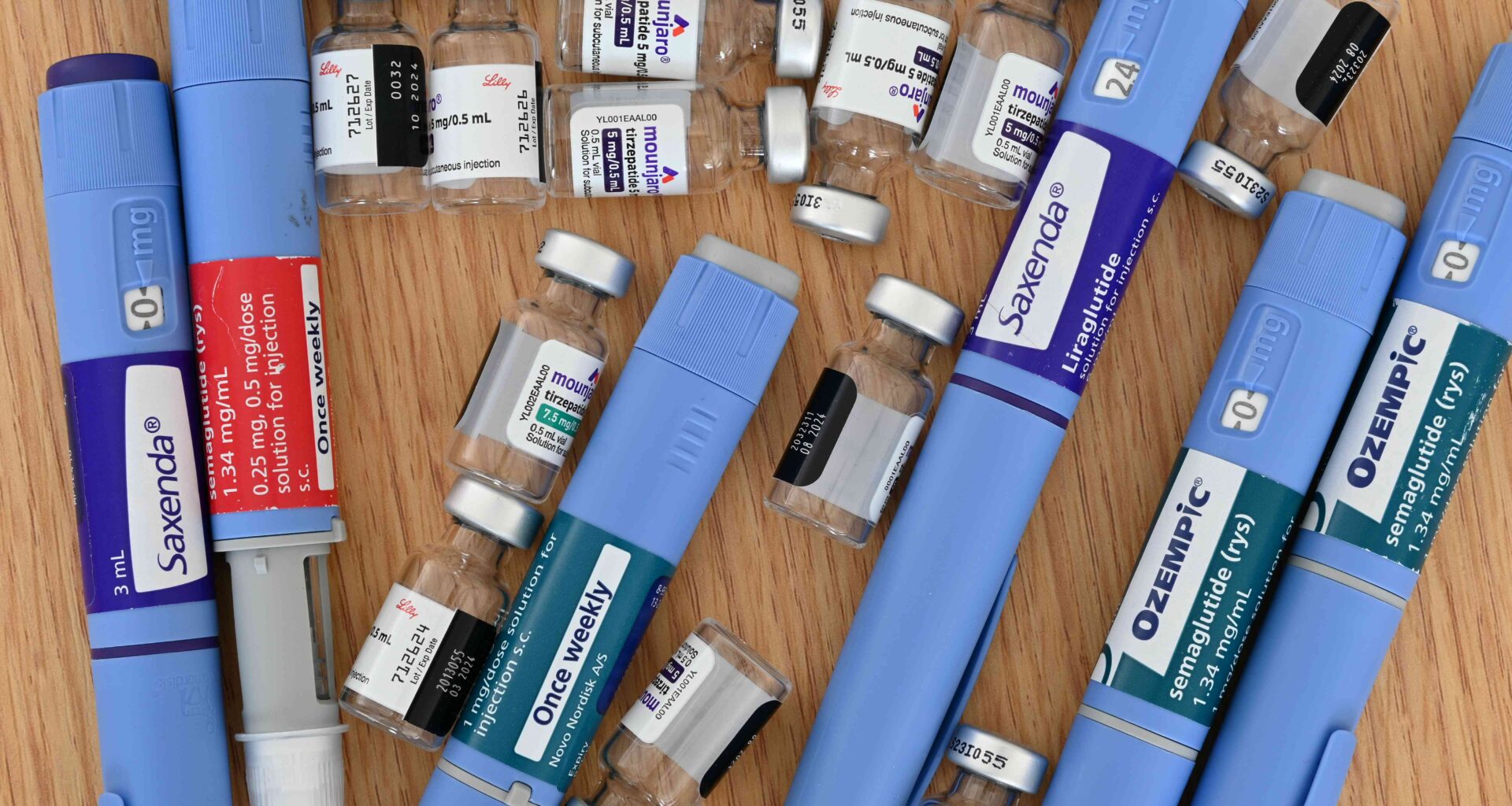
Tirzepatide and semaglutide may cause similar side effects, like nausea and diarrhea. Tolerance depends on the person.
Semaglutide and tirzepatide share many similarities. Both are GLP-1 receptor agonists that work on receptors in the brain, pancreas, and digestive tract. They help control blood sugar levels, slow stomach emptying, and decrease hunger and food cravings.
Tirzepatide and semaglutide also share a number of side effects—nausea, acid reflux or indigestion, constipation, and complete loss of appetite (beyond the intended effect) are most common, said Rekha Kumar, MD, an endocrinologist at Weill Cornell Medicine.
Beyond these, the labels for Zepbound, Mounjaro, Ozempic, and Wegovy all warn users about possible diarrhea, vomiting, and stomach pain.
There are slight variations beyond these side effects, particularly with the weight-loss versions of these medications. Both Wegovy and Zepbound users may have fatigue, belching, and heartburn.
Zepbound might also lead to injection site reactions, allergies, or hair loss. Wegovy may cause headaches, dizziness, bloating, low blood sugar, stomach flu, gas, or a runny nose and sore throat.
These side effects are fairly similar. For both medications, symptoms tend to improve over time as people get used to them, said Jorge Moreno, MD, internal medicine and obesity medicine physician at Yale Medicine.
According to Morgan Stewart, PharmD, clinical associate professor of pharmacy practice at the University of Texas at Austin, side effects are often dose-dependent.
Regardless of whether people are taking tirzepatide or semaglutide, side effects are “more likely to happen at higher doses,” Stewart told Health.
Though they’re similar, tirzepatide and semaglutide are formulated differently. While semaglutide is just a GLP-1 agonist, tirzepatide is a dual-action medication. It’s both a GLP-1 agonist and a glucose-dependent insulinotropic polypeptide (GIP) receptor agonist.
GIP is a hormone primarily responsible for lowering blood sugar. Tirzepatide, which acts on both GLP-1 and GIP receptors, can further lower blood sugar, promote weight loss, and improve lipid levels.
This could be why both Zepbound and Mounjaro have been shown to outperform Wegovy and Ozempic in terms of weight loss benefits, said Stewart.
It might also explain why some people tolerate the medications differently. Stewart said she’s noticed that “tirzepatide sometimes causes more side effects than semaglutide because it works on two hormones instead of one.”
Dr. Kumar has seen the opposite. She said it’s often easier to space out tirzepatide doses and increase them more gradually over time. She’s noticed that tirzepatide is less likely to cause digestive discomfort among her patients than semaglutide.
Dr. Moreno said that he’s treated many people who had intense side effects with semaglutide that significantly lessened when they switched to tirzepatide.
However, “I’ve had the reverse occur as well, where people tolerate semaglutide better,” Dr. Moreno told Health.
This kind of anecdotal evidence is all that’s out there. There’s little research putting tirzepatide and semaglutide’s side effects head-to-head on a wide scale.
It may be that tolerating tirzepatide or semaglutide simply comes down to each individual. People can have different tolerances to medication types and doses depending on their age, genetics, and sex, said Dr. Kumar.
Lifestyle may also change things. Your activity levels, medications, and diet can affect your risk of GLP-1 side effects, said Dr. Kumar.
The same is true for your starting dose. “If the starting dose is too high or increased too quickly, side effects like nausea are more likely,” said Stewart.
If you’re having fewer side effects after switching from Ozempic to Mounjaro, for example, it could be because your body handles the formulation better. It could also be because a doctor started you on a lower dose, or you’re now eating well and exercising more consistently.
Regardless of which GLP-1 medication you’re taking, there are a few steps you can take to lessen your chance of developing side effects.
For one, you can start at a low dose and ramp up gradually over time, recommended Stewart.
Eating smaller meals and limiting consumption of fried foods, desserts, and high-fat meats such as steak can also be incredibly helpful for some people, said Dr. Moreno. These foods can worsen digestive side effects.
Prescription or over-the-counter (OTC) anti-nausea or constipation medications can also be a good way to ease side effects.
It’s important to stay hydrated. Dr. Kumar said people often forget to drink water when their appetite is suppressed. “I have seen such bad dehydration that people land in the [emergency room] with kidney failure,” Dr. Kumar told Health.
If you continue to have harsh or uncomfortable side effects day after day, it’s best to talk to a doctor—especially if GLP-1 side effects are interfering with your ability to function.
Dr. Kumar said she usually advises people to stop taking their GLP-1 to see if side effects go away.
From there, she’ll ask for a detailed account of her patient’s diet to see if certain foods or beverages might have triggered the bad reaction. Depending on those answers, she’ll have the person try a lower dose of the drug with a few behavioral changes, or she’ll switch their medication.
At the end of the day, every person—and body—is unique, said Dr. Moreno. Doctors should tailor the treatment plan to each person’s needs.
“Obesity treatment is not a one-size-fits-all approach,” said Dr. Moreno.