

Role Funding:
Sky watchers throughout Aotearoa are preparing for the Geminids meteor shower, peaking this weekend – a chance for whānau to reconnect with the night sky and Māori star lore. The annual celestial event invites communities to gather, share pūrākau and ngā whetū (stars), and reflect on seasonal cycles.
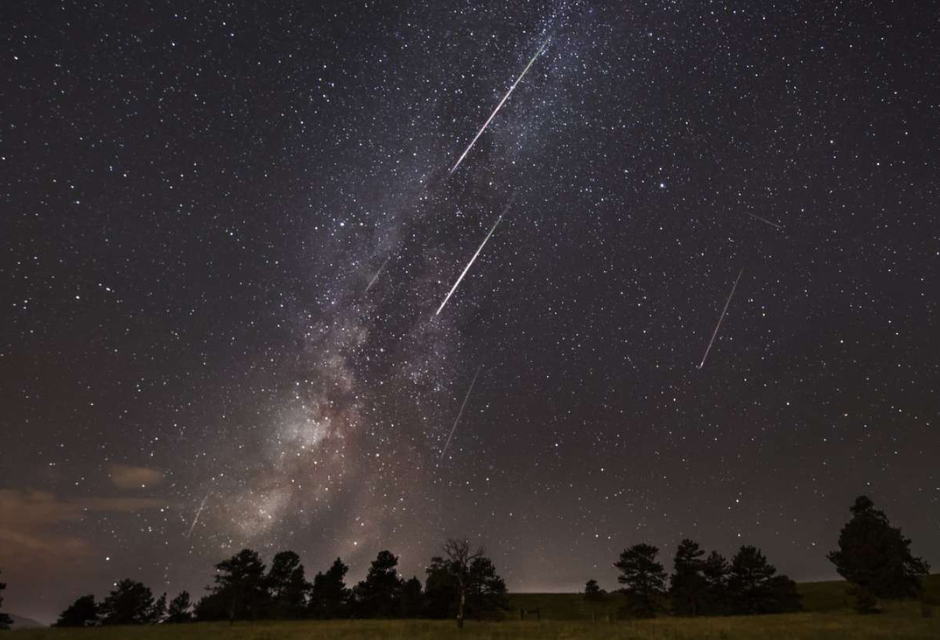
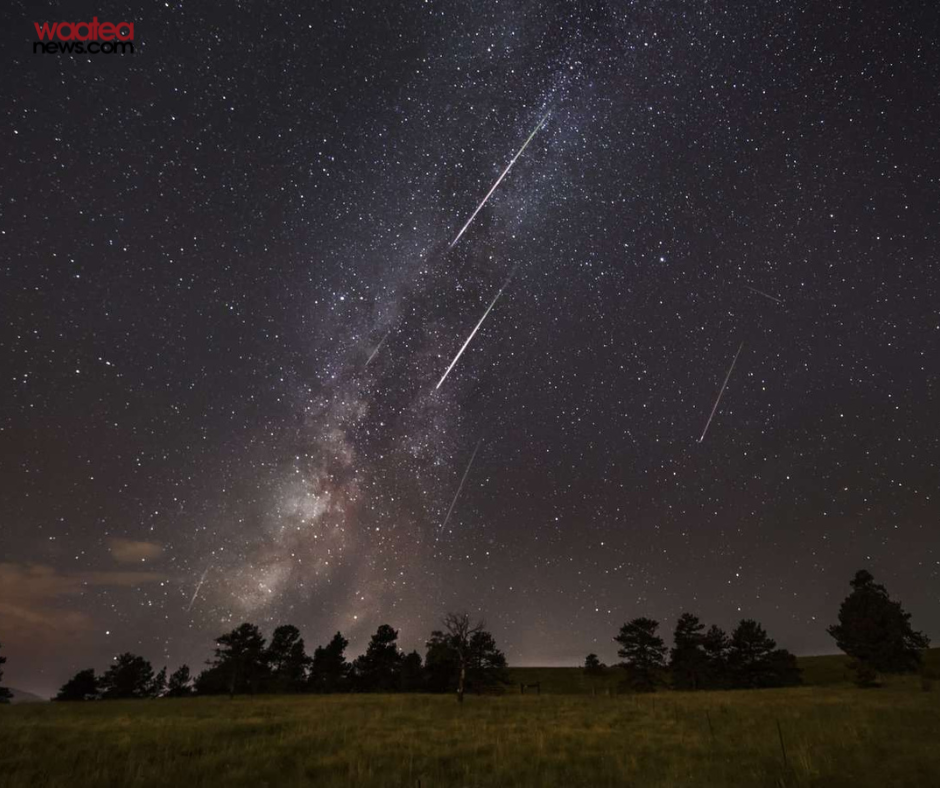
One of the brightest and most reliable meteor showers of the year, the Geminids, is set to dazzle Aotearoa this weekend, offering whānau across the motu a rare chance to witness dozens of shooting stars streaking across the night sky.
The Geminids peak annually in mid-December, when Earth passes through a dense trail of cosmic dust left behind by the asteroid 3200 Phaethon. Unlike most meteor showers, which originate from comets, the Geminids are created when fragments of rock burn up in the atmosphere – producing exceptionally bright and colourful meteors.
Astronomers say conditions in 2025 are shaping up to be excellent, with clear skies forecast for much of the country and minimal moonlight to wash out the display. At its peak, observers could see up to 100 meteors per hour, especially after midnight.
For Māori, the night sky has always been more than a scientific spectacle. It is a map of whakapapa, navigation, and seasonal knowledge. Many iwi view meteors – or tūmatakōkiri – as messengers, symbolic of change, guidance and the movement of ancestors. The Geminids provide a modern moment to reconnect with mātauranga Māori and to share pūrākau about the heavens with tamariki and rangatahi.
Experts recommend watching from dark, rural locations away from city lights, allowing at least 20 minutes for eyes to adjust. No equipment is needed – just patience and a warm jacket.
The shower will be visible from tonight through the weekend, with the most intense activity expected late on December 13 and early into December 14.
As summer begins and whānau gather for the break, the Geminids offer a reminder of the vastness above us and the ancestral knowledge that has long guided Māori relationships with the night sky.