
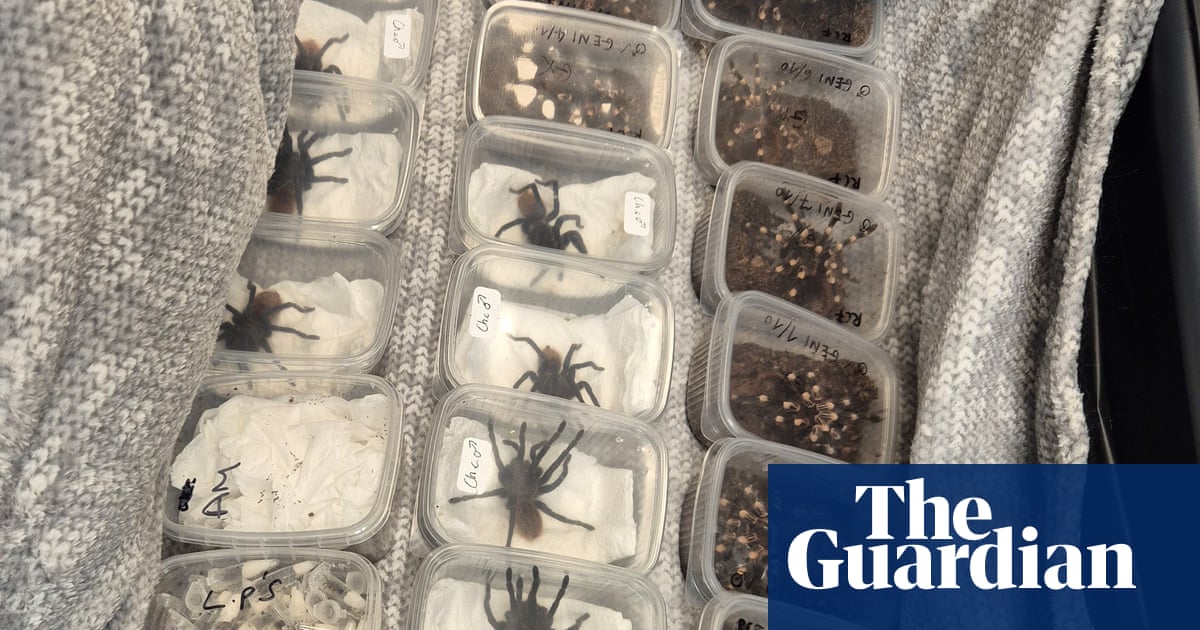
More than 250 endangered species and illegal wildlife products were seized at the UK border in a single month, new figures have revealed, including spiders, snakes and birds.
The illicit cargo was uncovered as part of an annual crackdown on wildlife smuggling known as Operation Thunder, which is led by Interpol and the World Customs Organisation.
Two rainbow boa constrictors were discovered hidden under blankets in a car by Border Force officers, and were apparently bought by the driver at a German reptile show without a licence.
More than 2,000 live tarantulas were found in a separate vehicle. They were estimated to be worth about £70,000, and included 300 protected species.
Between 13 September and 15 October, during searches at airports, ports and mail depots nationwide, the Border Force also discovered a car transporting more than 100 endangered birds, including green-cheeked conures and lovebirds. They had been kept in appalling conditions, and some had died.
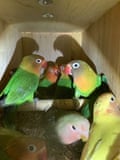 Operation Thunder is an annual exercise tackling the illegal wildlife trade. Photograph: DEFRA
“In recent years we have seen an increase of smuggled birds, reptiles, invertebrates and flora,” said Danny Hewitt, director for UK command operations.
King cobra balm, a tiger claw bottle, ivory carvings and shark meat were among the products seized.
Home Office minister Mike Tapp said wildlife smuggling is serious organised crime that “fuels corruption, drives species to extinction, and undermines our border security” – with this year’s operation cutting off a major source of funding for dangerous gangs.
“We won’t stop until we’ve broken this business model,” he warned. “Anyone attempting to bring illegal wildlife products into the UK – by air, sea, or post – will be searched and prosecuted.”
Wildlife crime is the fourth-largest illegal activity worldwide – behind firearms, drugs and human trafficking – and is thought to be worth up to £17bn a year globally, with experts noting efforts to tackle it are increasingly intelligence-led.
The Home Office said that, where possible, seized items will be rehomed or used for research. Dame E J Milner-Gulland, a professor at the University of Oxford, congratulated the Border Force and said the illegal wildlife trade is a major threat to species.
“It can range from individuals bringing in items that they’ve bought at tourist markets, unaware that permits are needed, to large-scale organised crime,” she added.
skip past newsletter promotion
The planet’s most important stories. Get all the week’s environment news – the good, the bad and the essential
Privacy Notice: Newsletters may contain information about charities, online ads, and content funded by outside parties. If you do not have an account, we will create a guest account for you on theguardian.com to send you this newsletter. You can complete full registration at any time. For more information about how we use your data see our Privacy Policy. We use Google reCaptcha to protect our website and the Google Privacy Policy and Terms of Service apply.
after newsletter promotion
Milner-Gulland said sharing intelligence to intercept and pre-emptively tackle wildlife crime is essential, and requires collaboration between international governments, NGOs, the public and academics.
She explained “exciting new approaches” including AI-based prediction tools are in development, but added: “We also need to remember that illegal wildlife trade relies on people wanting to buy these products from the traffickers, and people taking them from the wild in the first place – this requires understanding and changing the motivations that people have to engage in this trade.”
Dr Jenny Maher from the University of South Wales said the Border Force’s seizures are highly encouraging, and are a stark reminder of the immense suffering endured by countless animals.
But the associate professor in green criminology noted concerns have been raised over prosecutions and punishments for illegal wildlife trade offences.
“Very few wildlife smuggling offences result in a conviction and even less in incarceration, despite the widespread harms and profits involved,” Maher said.
“Another point to consider is these seizures were the result of a targeted operation, raising the question of how many offences go undetected when such resources and focused attention are not applied to tackling the illegal wildlife trade.”