
A coroner has called for an urgent redesign for a popular bed after a toddler died when a fabric strap from the bed slats became wrapped around his neck.
The 19-month-old boy, who lived in Canterbury, was found unresponsive under his bed on May 27, 2021, and could not be revived despite CPR attempts by his family and ambulance staff.
He had crawled underneath some time between the last time he was checked in the evening, and the morning.
A post-mortem examination confirmed the cause of death as ligature strangulation.
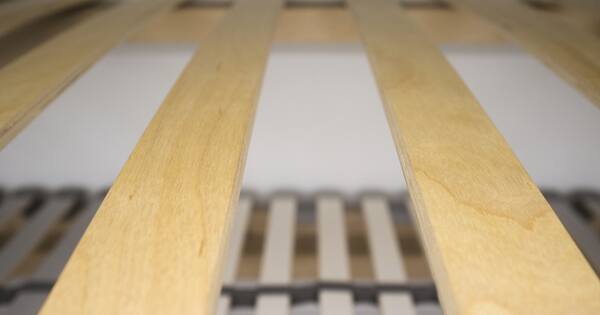
Coroner Ruth Thomas said the tragedy highlighted a “latent hazard” in the Living & Co pine wood single-slat bed sold by The Warehouse.
The bed’s design included thin fabric straps stapled to wooden slats, intended to help space the slats during assembly. However, the straps were not essential for structural integrity and could hang loose beneath the bed.
“The caregivers assembling [the boy’s] bed had no guidance from the instruction manual about whether to orientate the strapping on the topside or underside of the slats,” the coroner wrote.
“There were no warnings about the risk of strangulation if the strapping became loose.”
The coroner said the death was “accidental and preventable”, saying such deaths were silent and could occur rapidly.
“Even minimal compression of the neck can lead to unconsciousness within 15 seconds and death within two to three minutes,” the report read.

The Warehouse chief merchandise officer Carrie Fairley said the organisation’s hearts were with the family and thanked the coroner for their care and support.
“When this tragedy happened in 2021, our team acted immediately to enhance the bed and assembly instructions. Recently, the coroner shared further recommendations, and we’re taking these on board to make sure something like this can never happen again,” she said in a statement to 1News.
“None of us ever want these types of accidents to happen, and we encourage everyone to check that their beds are assembled correctly and strictly according to the instructions provided.”
The Warehouse removed the bed from sale after the death and later updated its design with clearer instructions, warning stickers, and stronger attachment of straps when it was returned to shelves.
Tests showed improved strength, but Coroner Thomas said these changes were “secondary to the most effective prevention solution – designing the problem out of existence”.
The Warehouse Group told the coroner it was now working with its supplier to eliminate straps from future designs. “We will no longer accept a design which uses these straps,” the company said.
“[The boy] was in his own bedroom, the room which should have been the safest room in the house for him to sleep, and to play,” Coroner Thomas said.
“Parents want to know the products they place in their children’s bedrooms are safe. To become an inherently safe product, the design must preclude the risk of strangulation.”
The findings have been sent to The Warehouse Group, MBIE, Plunket, and child safety organisations to raise awareness and prevent similar tragedies.
Coroner Thomas also expressed her condolences to the boy’s family.
The morning’s headlines in 90 seconds, including why the brains behind AI have picked up a major accolade, a huge drug bust seizes 2 tonnes of cocaine, and the days to avoid travelling this holiday season. (Source: 1News)