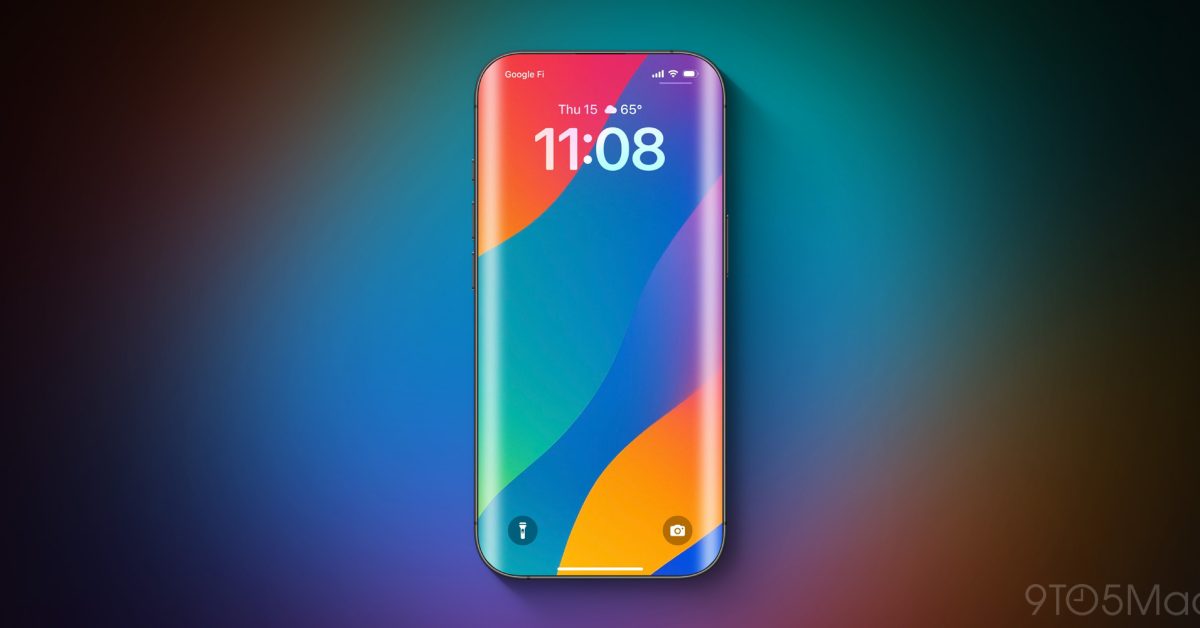
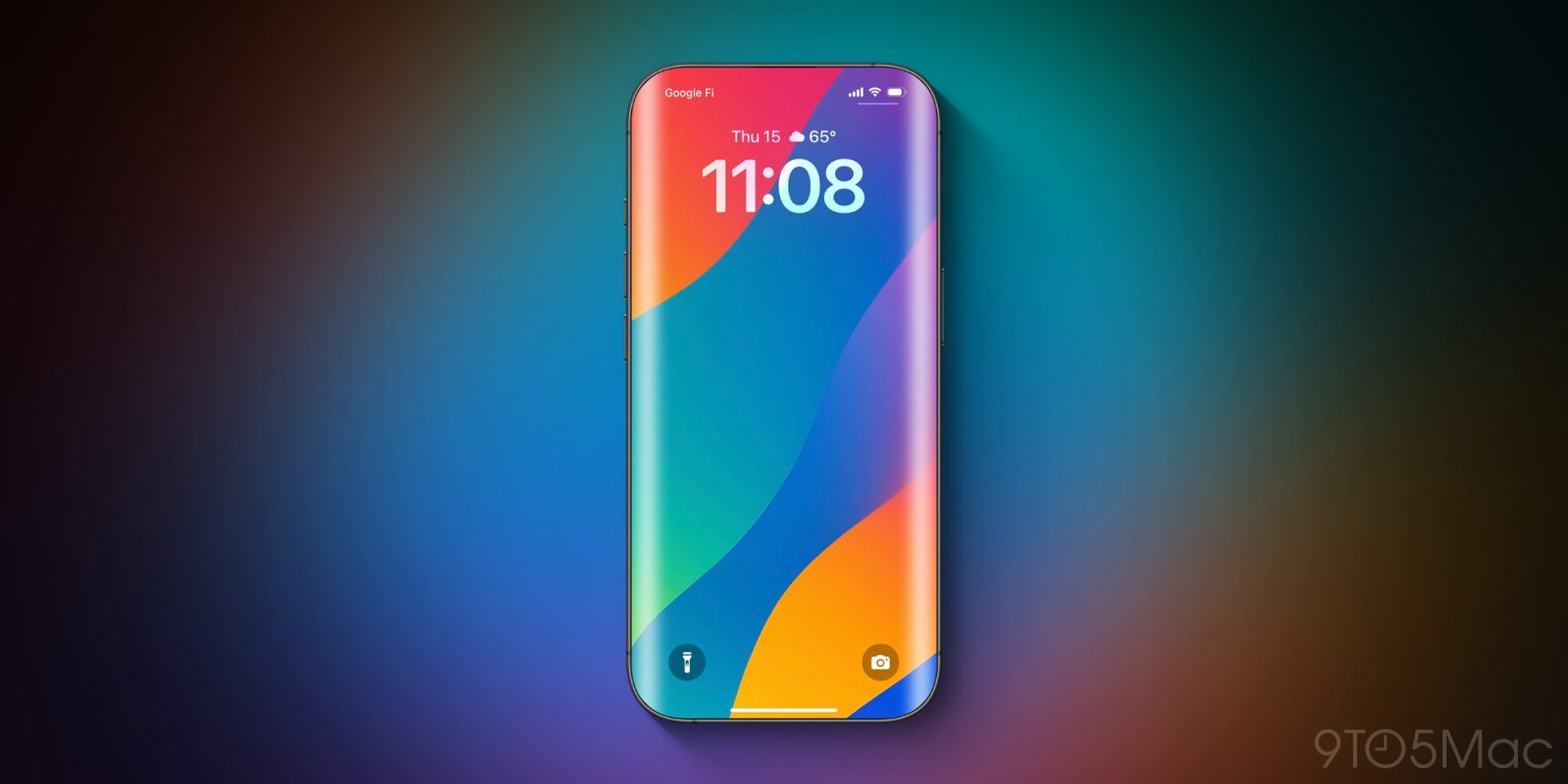
There have been persistent rumors that Apple will be pulling out all the stops for the 20th anniversary iPhone in 2027. It’s been suggested this will be the year the company will finally achieve its long-held ambition of turning the iPhone into “a single slab of glass.”
What’s meant by this is that there will be no visible bezels and no Dynamic Island or cutout of any kind on the display. While this is already technically achievable, it would involve one significant compromise …
The ‘single slab of glass’ vision
Former Apple design chief Jony Ive was first to use the phrase to describe what he saw as the ultimate iPhone – where the only thing we see when viewing the iPhone from the front is glass and nothing but glass.
No bezels, no Dynamic Island, not even a camera punch-hole. All the front-facing tech would be embedded beneath the display. While Ive is long gone, it is widely believed that Apple retains that vision.
The iPhone X was, of course, the first significant move toward it, eliminating the chin with its Home button. The notch for the selfie camera and Face ID tech was later replaced by a smaller Dynamic Island, and it’s rumored that next year’s iPhone 18 will embed the Face ID module beneath the display, leaving only a small punch hole for the selfie camera.
The 20th anniversary iPhone
While we would normally expect the flagship 2027 iPhone to be called the iPhone 19 Pro, there have been suggestions that Apple would jump straight to iPhone 20 naming to mark the 20th anniversary – or perhaps use a standalone name in the same way it did with the iPhone X and iPhone Air.
If Apple does opt for a name rather than a number, the most commonly speculated one has been the iPhone Ultra. While I could definitely see this, my own thought is that Apple might pull together hardware and software branding by naming it the iPhone Glass.
With the iPhone 18, the one remaining piece of visible interruption to the display will be the front-facing camera. Removing this would mean embedding the camera beneath the display alongside the Face ID tech.
This is technically feasible today. At least two Android prototypes have been created featuring cameras hidden beneath the screen. There is, however, a problem.
The compromise of an embedded selfie camera
The issue we’ve seen with Android prototypes is a substantial hit to the image quality of an embedded selfie camera. That’s shown up as poor levels of contrast and detail as the light passes through the display layers.
Of course, the technology will have advanced by 2027, and it’s likely that the compromise in image quality by then will be relatively minor. However, I would expect photos to suffer at least some degree of degradation compared to a conventional smartphone selfie camera.
The big question then is whether some degree of compromise here would be a worthwhile trade-off? Let’s assume something like the comparison shown below. Nothing too major, just a little less contrast and a little more fuzziness from the embedded camera.

 Drag the slider right for original, left for simulated compromise
Would you accept this level of compromise from the selfie camera in return for an all-glass display? Please take our poll and share your thoughts in the comments.
Images: Top 9to5Mac, simulation 9to5Mac/Nguyễn Hiệp on Unsplash


FTC: We use income earning auto affiliate links. More.