
The Centers for Disease Control and Prevention (CDC) issued a travel notice recently for Bangladesh due to a chikungunya outbreak.
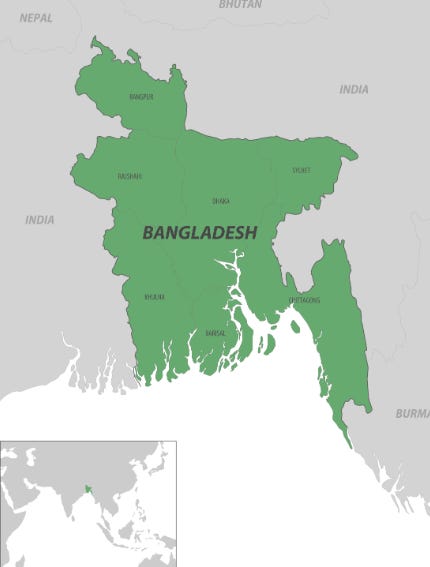
The outbreak particularly affected Dhaka and Chittagong. Between January and August 2025, a total of 732 suspected chikungunya cases were reported in Dhaka by the Institute of Epidemiology, Disease Control and Research (IEDCR), with 400 cases laboratory-confirmed by RT-PCR. In Chittagong, approximately 2,700 cases were reported by the end of August.
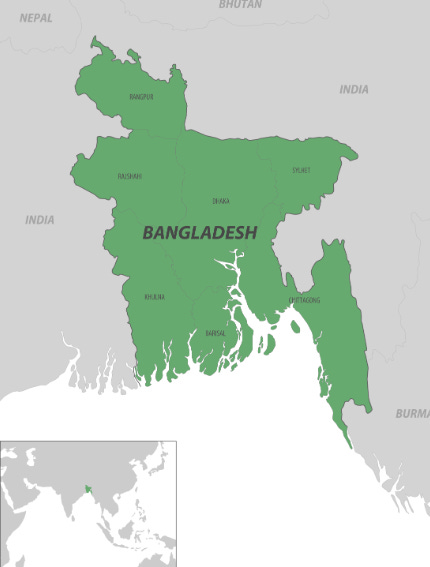 Image/CDC
CDC states you can protect yourself by preventing mosquito bites, which includes using insect repellent; wearing long-sleeved shirts and pants; and staying in places with air conditioning or that have screens on the windows and doors.
Vaccination is recommended for travelers who are visiting an area with a chikungunya outbreak.
If you are pregnant, reconsider travel to the affected areas, particularly if you are close to delivering your baby.
Chikungunya disease is caused by the chikungunya virus and is spread to humans through mosquito bites. Outbreaks have occurred in countries in Africa, Americas, Asia, Europe, the Caribbean, and Indian and Pacific Oceans.
Chikungunya epidemic risk: A call to action
Most people infected with chikungunya virus develop some symptoms. Symptoms of chikungunya usually begin 3–7 days after a bite by an infected mosquito. The most common symptoms are fever and joint pain. Other symptoms may include headache, muscle pain, joint swelling, or rash. Most people get better within a week; however, some can have severe joint pain for months to years following acute illness.
People at risk for more severe disease include newborns infected around the time of birth, older adults (65 years or older), and people with medical conditions such as diabetes or heart disease. Death from chikungunya is rare.
There is no specific treatment for chikungunya.