

A space-based communication system, called Iris, is being tested by the European Space Agency (ESA) in collaboration with Boeing and Viasat. This new system aims to enhance the efficiency, accuracy, and sustainability of air traffic control by shifting communication from traditional ground-based radio systems to satellites. The system could reduce delays, improve flight routing, and support the aviation industry’s sustainability goals.
With air travel expected to grow and become more congested, there is increasing pressure to improve air traffic control systems. The Iris technology offers a potential solution by making communication more direct and efficient. After initial tests in Europe, the technology is now being expanded globally, and experts are hopeful that it will soon become a crucial part of the aviation industry.
A Shift to Space-Based Communication
For decades, pilots have relied on ground-based radio systems to communicate with air traffic controllers, transmitting their positions to stations on the ground. While this system has worked for years, it is prone to delays and limitations in remote or crowded areas. Iris seeks to change that by using satellites to relay aircraft data, allowing for more frequent and accurate updates.
Iris, developed by Viasat in partnership with ESA, relies on a network of 14 satellites placed in geostationary orbit. These satellites provide continuous coverage, allowing for better communication across larger and more remote areas. According to the ESA, the system allows for more precise tracking of aircraft, which can help improve flight routing, spacing between planes, and overall operational efficiency.
In late 2023 and early 2024, Boeing conducted a series of test flights using Iris on a United Airlines aircraft as part of its ecoDemonstrator program. This program tests innovative technologies to improve sustainability and efficiency in commercial aviation. The results from these test flights, which took place between the United States and Europe, were promising, with the system providing real-time, secure communication between pilots, air traffic controllers, and airline operations centers.
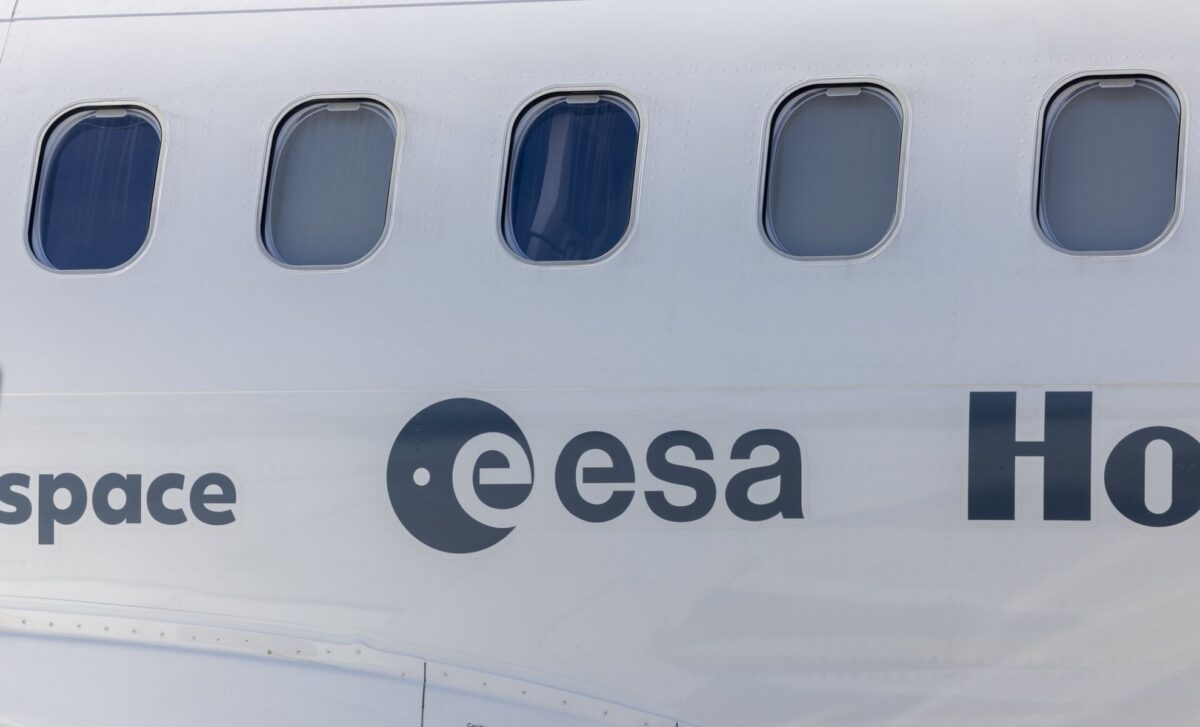 ESA logo on Boeing’s ecoDemonstrator Explorer – © Boeing 2025 / ESA
Iris System’s Growing Impact
Since its launch in 2024, Iris has already been operational on more than 17,000 flights in Europe, demonstrating its potential for widespread use. According to ESA, the system is making significant strides toward becoming a global solution for air traffic management. This shift marks a crucial milestone in the aviation industry, with the promise of improving not only efficiency but also safety and environmental sustainability.
Laurent Jaffart, ESA’s director for Connectivity and Secure Communications, highlighted the significance of this technology:
“Through this testing of interconnected digital communications, we are not only advancing operational efficiency but also moving towards safer and more efficient airspace.”
The Iris system has the potential to reduce CO2 emissions by optimizing flight paths and minimizing delays, which aligns with the aviation industry’s goals for greater sustainability.
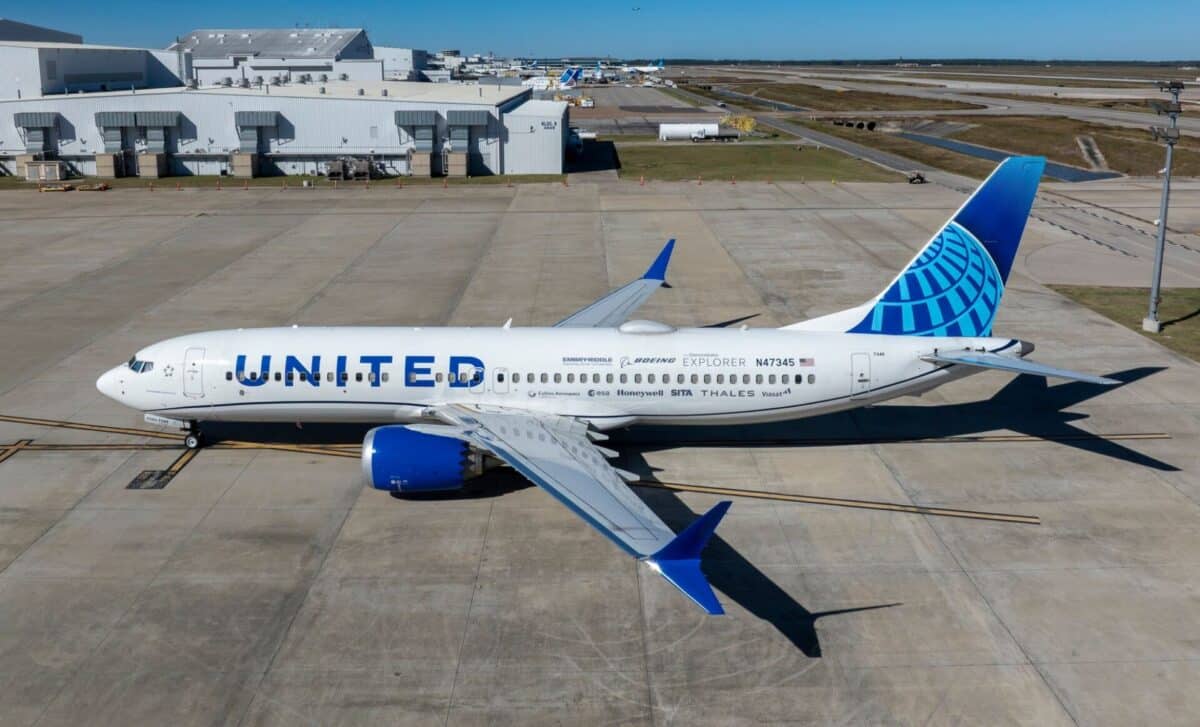 Boeing’s ecoDemonstrator Explorer operated by United Airlines – © Boeing 2025 / ESA
Space-Based Control and Future Efficiency
The Iris system is expected to have long-term benefits for both passengers and the environment. As the global aviation industry faces increasing pressure to reduce its carbon footprint, more efficient communication systems like Iris can play a pivotal role in achieving sustainability goals. By enabling more accurate tracking and routing of aircraft, the technology helps reduce fuel consumption and lower emissions.
While the system is still being tested, its operational success in Europe and early trials in the U.S. suggest that Iris could be a key player in the future of air traffic control. With its potential to create safer, more efficient flight routes, the system offers a path toward improving the overall flying experience while contributing to a greener, more sustainable aviation industry.