
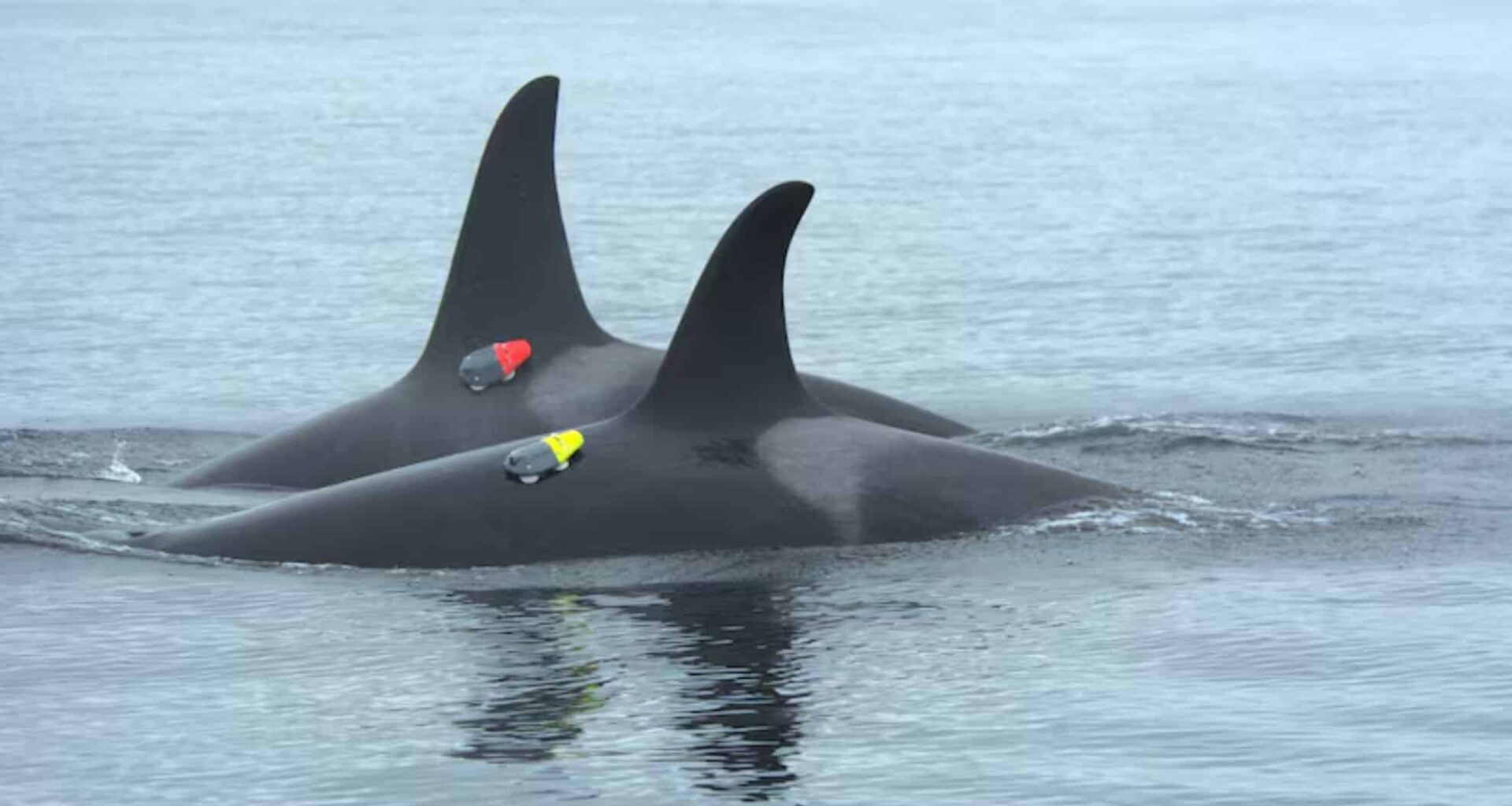
For years, researchers have known that orcas and dolphins sometimes occupy the same coastal waters, but their interactions were typically considered incidental or antagonistic. Killer whales, known for hunting large marine animals like Chinook salmon, and dolphins, which typically feed on smaller fish, seemed unlikely candidates for teamwork. However, a recent study has shed light on a different reality. The findings suggest that these two species are not only sharing hunting grounds but are also engaging in cooperative foraging, a behavior that has never before been observed in this context.
A Strategic Collaboration
The research, conducted in the summer of 2020, tracked the movements and interactions of northern resident orcas and Pacific white-sided dolphins in the waters near Vancouver Island. Using drone footage and biologging tags, the researchers observed 258 instances where the dolphins and orcas traveled near each other, with the orcas often adjusting their paths to follow the dolphins. According to the study published in Nature, the killer whales likely eavesdrop on the dolphins’ echolocation calls, which allow them to locate Chinook salmon at deeper depths. This coordination helps the orcas to find prey more efficiently.
While dolphins are adept at spotting large fish using their sonar, they are unable to consume these fish whole due to their size. Orcas, on the other hand, are experts at tearing apart large prey. In exchange for guiding the orcas to the salmon, the dolphins benefit by scavenging the remains of the fish after the orcas have eaten, effectively securing a meal without the effort of hunting for it themselves. This mutual exchange highlights the ecological advantages of their partnership.
No Signs of Aggression
One of the most striking aspects of this interspecies cooperation is the absence of any signs of aggression. The researchers recorded no instances of the dolphins trying to steal fish from the orcas, a behavior known as kleptoparasitism, nor did the orcas show any signs of aggression toward the dolphins. “The killer whales were tolerant of the dolphins’ presence,” said Andrew Trites, the study’s senior author. In fact, the orcas were often seen following the dolphins, a clear indication of cooperation rather than avoidance or conflict.
The researchers note that such tolerance is unusual in the animal kingdom, where interactions between different species often involve competition for food. By contrast, the killer whales appeared to benefit from the dolphins’ ability to locate salmon, while the dolphins enjoyed the safety of traveling alongside the powerful orcas and the opportunity to feed on their leftovers. Sarah Fortune, the study’s lead author, pointed out that the partnership between the two species is particularly remarkable, considering the competitive nature that usually defines predator-prey relationships.
A Complex Relationship
While the study provides compelling evidence of cooperation, the exact nature of the relationship between orcas and dolphins remains unclear. According to the researchers, the dolphins may not only be acting as “scouts” for the orcas but could also be seeking protection from other, more aggressive orca pods. The presence of resident killer whales may offer the dolphins some security, particularly from transient orcas that prey on smaller marine mammals, including dolphins.
Still, the researchers caution that further study is needed to fully understand the benefits each species gains from this collaboration. There are hints, however, that this behavior may be linked to the seasonal migration of Chinook salmon, which are especially evasive during their migration. Whether the dolphins and orcas engage in similar cooperative foraging during other times of the year, when salmon are less abundant, is an open question. As researchers continue to monitor these interactions, they hope to learn more about how this unusual partnership evolves and whether it plays a significant role in the survival strategies of both species.
 Mike deRoos (Cetacea Contracting, Ltd), Andrew Trites, and Sarah Fortune looking at footage from the CATs. ©Andrew Trites/UBC
This new insight into orca-dolphin cooperation adds a fascinating layer to our understanding of marine mammal behavior. What was once seen as a rivalry between two powerful predators now appears to be a carefully orchestrated partnership, based on mutual benefit rather than competition.