
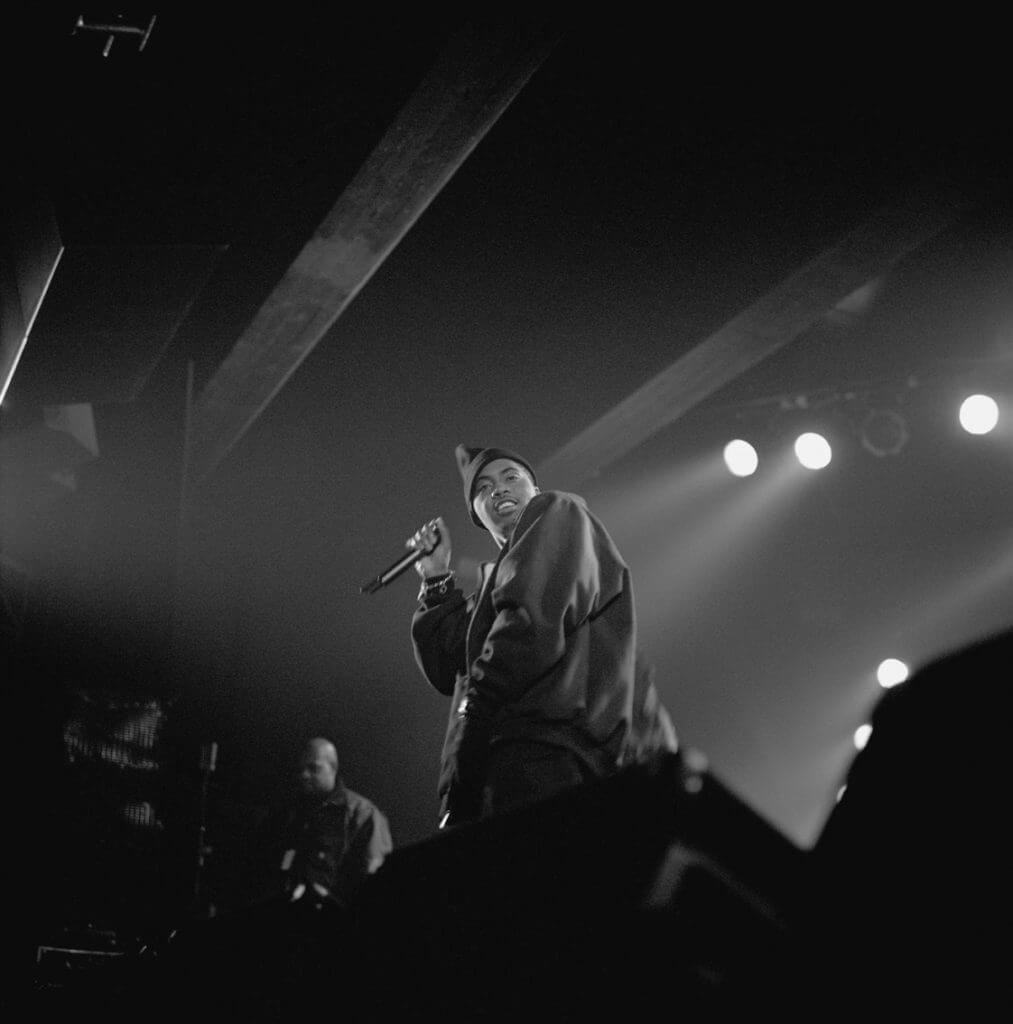
In an era where Hip Hop often chases fleeting trends, viral moments, and algorithmic dominance, few figures stand as unwavering pillars of the culture quite like Nasir Jones—better known to the world as Nas. Widely regarded as one of the greatest emcees of all time, Nas has not only shaped the genre’s lyrical landscape but has consistently evolved while preserving its soul. His pedigree is unimpeachable: born on September 14, 1973, in the Crown Heights neighborhood of Brooklyn before moving to the Queensbridge projects in Queens, New York City, Nas grew up immersed in the raw realities of urban life. The son of jazz musician Olu Dara and postal worker Fannie Ann Jones, he drew early inspiration from his father’s musical world and the burgeoning Hip Hop scene exploding around him in the late 1980s. Dropping out of school in the eighth grade to pursue his passion, Nas honed his craft through freestyle battles and demo tapes, channeling the struggles of poverty, violence, and ambition into poetry that resonated with authenticity.
Nas’s significance in Hip Hop cannot be overstated. He is a poet of the streets, a historian of Black experience, and a master craftsman whose bars dissect love, loss, systemic injustice, and personal triumph with unparalleled depth. Before his landmark debut, Nas made waves with legendary guest appearances that put him on the map as a prodigious talent. In 1991, at just 17, he delivered a show-stealing verse on Main Source’s “Live at the Barbeque” from their album Breaking Atoms. His opening lines—”Street’s disciple, my raps are trifle / I shoot slugs from my brain just like a rifle”—introduced his vivid imagery and complex rhyme schemes, earning him instant buzz in underground circles. The following year, he followed up with another scorching feature on MC Serch’s “Back to the Grill” from Return of the Product, where his bars about survival and intellect further solidified his reputation as the “next big thing” from Queens. These spots were pivotal; they showcased Nas’s ability to blend storytelling with multis, foreshadowing the genius that would define his career. They also connected him to the Native Tongues collective and other East Coast luminaries, building anticipation for his solo work.
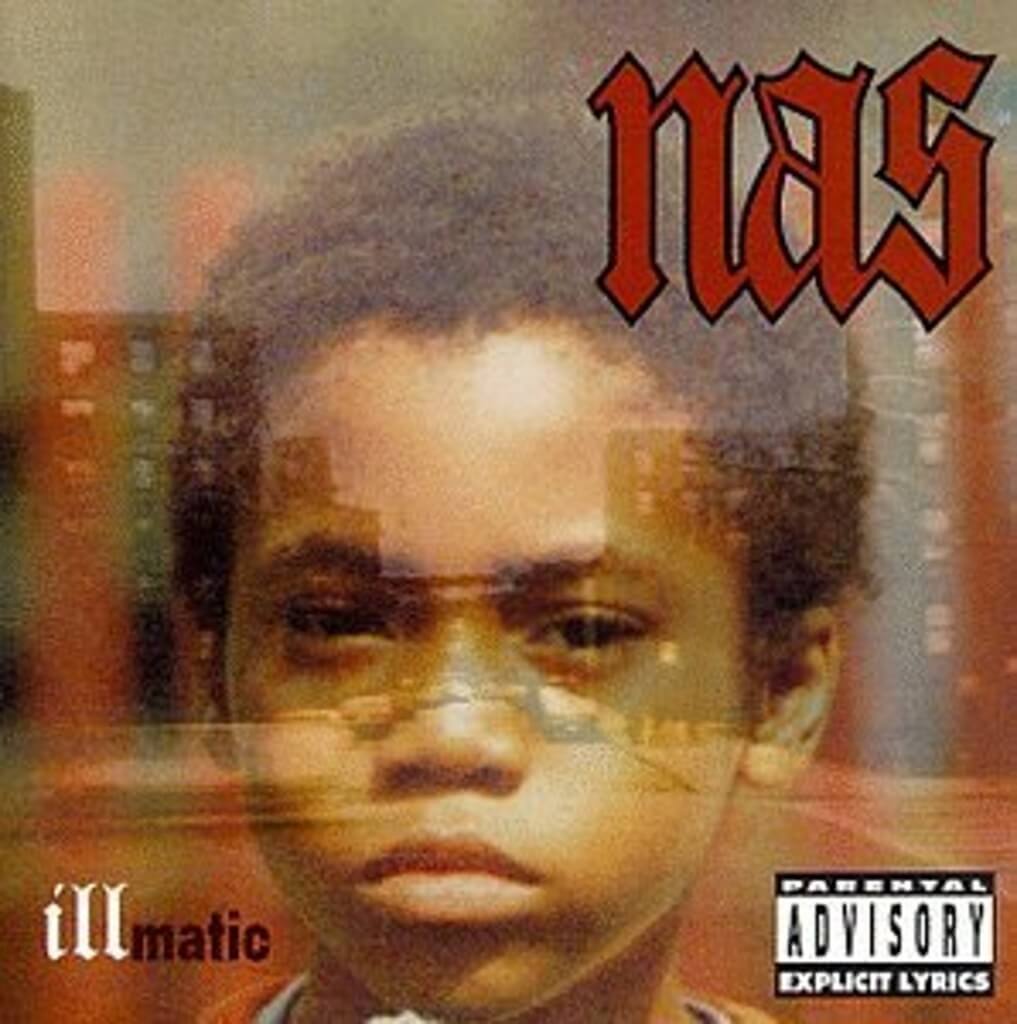
That anticipation culminated in Illmatic (1994), released when Nas was just 20. Often hailed as the greatest Hip Hop album ever, it painted a gritty portrait of Queensbridge life over production from icons like DJ Premier, Pete Rock, Large Professor, Q-Tip, and L.E.S. Tracks like “N.Y. State of Mind,” “The World Is Yours,” and “It Ain’t Hard to Tell” captured the essence of 1990s New York Hip Hop—introspective, cinematic, and unflinchingly real. Illmatic debuted at No. 12 on the Billboard 200. Its platinum certification came years later, but its cultural impact was immediate, earning Nas comparisons to Rakim and establishing his place among the elite.
Building on this foundation, Nas’s career overview reveals a trajectory of resilience and reinvention. It Was Written (1996) marked his commercial breakthrough, debuting at No. 1 and going triple platinum. With production from DJ Premier, Dr. Dre, and Trackmasters, it blended street anthems like “If I Ruled the World (Imagine That)” featuring Lauryn Hill with mafioso narratives in “The Message.” This album expanded Nas’s reach, proving he could balance artistry with accessibility. However, the late 1990s brought challenges: I Am… (1999), originally a double album but leaked online, featured hits like “Nas Is Like” and “Hate Me Now” with Puff Daddy, while Nastradamus (1999) faced criticism for rushed production but still yielded gems like “Project Windows.”
Entering the 2000s, Nas reclaimed his crown with Stillmatic (2001), a triumphant return that addressed detractors and ignited one of Hip Hop’s most famous feuds. The track “Ether” dismantled Jay-Z in their lyrical war, with lines like “I rock hoes, y’all rock fellas” becoming battle rap staples. The album’s success—debuting at No. 5 and going platinum—reaffirmed Nas’s longevity. God’s Son (2002) delved deeper into personal themes, honoring his late mother with “Dance” and featuring soulful production on “Made You Look.” Street’s Disciple (2004), a double album, explored maturity and fatherhood, while Hip Hop Is Dead (2006) critiqued the genre’s commercialization, sparking debates with its title track featuring will.i.am.
Nas’s provocative streak continued with Untitled (2008), originally titled N**r, which confronted racial slurs and identity in tracks like “Hero” and “Queens Get the Money.” Despite controversy, it debuted at No. 1. Collaborations kept him relevant: Distant Relatives (2010) with Damian Marley fused Hip Hop and reggae for a global perspective on African diaspora. Life Is Good (2012), with its iconic cover of Nas in a wedding dress holding his ex-wife Kelis’s gown, earned four Grammy nominations for its reflective bars on divorce and growth, featuring “Daughters” and “Cherry Wine” with Amy Winehouse.
Yet, Nas’s true renaissance began in the 2020s, proving his enduring relevance. At 47, he teamed with producer Hit-Boy for King’s Disease (2020), a triumphant return that won his first Grammy for Best Rap Album. Blending boom-bap with modern flair, it featured reunions with The Firm and guests like Big Sean and Anderson .Paak. King’s Disease II (2021) upped the ante with Eminem, Lauryn Hill, and EPMD, debuting at No. 3. The surprise Magic (2021) evoked classic vibes, while King’s Disease III (2022) stripped back features for pure Nas lyricism. Magic 2 (2023) brought 50 Cent and 21 Savage, and Magic 3 (2023) closed the Hit-Boy saga with Lil Wayne, forming a six-album run hailed as one of Hip Hop’s most consistent.
Through 17 studio albums—ten certified gold, platinum, or multi-platinum—Nas has sold over 15 million records worldwide, collaborated with everyone from AZ to Kanye West, and influenced the genre’s evolution. His longevity stems from adaptability: embracing streaming, social media, and ventures like his investment in Ring and Lyft, while staying rooted in lyricism. Nas’s impact extends beyond music; he’s a venture capitalist, actor (in Belly and Sacred Is the Flesh), and philanthropist supporting education and criminal justice reform.
This multifaceted legacy led to Mass Appeal Records, co-founded in 2014 with Peter Bittenbender. Reviving the 1990s graffiti/Hip Hop magazine as a media empire, Mass Appeal became a platform for authentic artistry. Nas envisioned it as a bridge between generations, free from major-label pressures. Early releases like Fashawn’s The Ecology (2015), Bishop Nehru’s collaborations, and DJ Shadow’s The Mountain Will Fall (2016) set a tone of innovation. Posthumous J Dilla projects and global expansions, like Mass Appeal India, broadened its scope. Nas’s own Nasir (2018), executive-produced by Kanye, was a label highlight—concise and experimental.
Mass Appeal’s mission—to “push the culture forward, educate, and inspire”—intensified in the 2020s. Nas’s Hit-Boy albums were all Mass Appeal drops, revitalizing his career and the label. Documentaries and tours underscored its commitment to lyrical depth and independence.
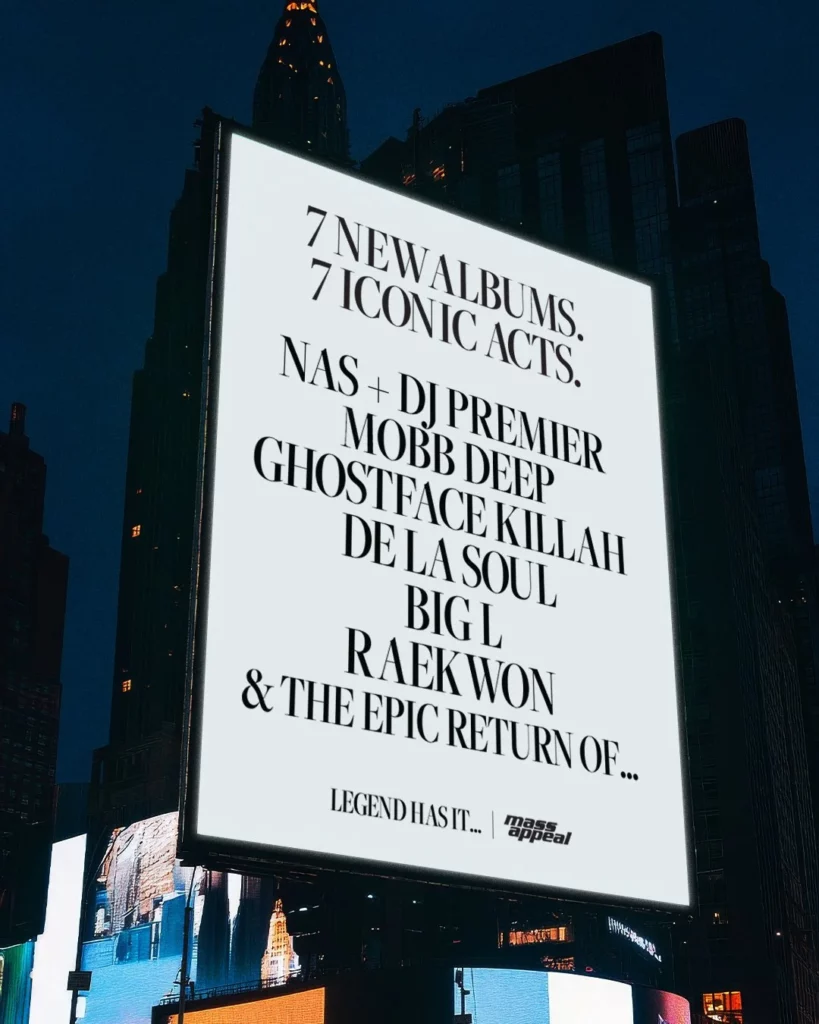
This culminated in the “Legend Has It…” series, announced in April 2025—a seven-album tribute to New York’s Hip Hop pioneers. Nas, as visionary, curated projects honoring living icons and fallen legends like Prodigy, Big L, and Trugoy the Dove. Origins trace to Nas’s reverence for influences: Slick Rick’s storytelling, Wu-Tang’s grit, Mobb Deep’s street realism. The series rolled out monthly, starting with Slick Rick’s Victory (June 2025), followed by Raekwon’s The Emperor’s New Clothes (July), Ghostface Killah’s Supreme Clientele 2 (August), Mobb Deep’s Infinite (October), Big L’s Harlem’s Finest: Return of the King (October), De La Soul’s Cabin in the Sky (November), and Nas & DJ Premier’s Light-Years (December). Marketing included billboards, a Marvel comic, and Nas’s features, emphasizing preservation amid Hip Hop’s commercialization.
In essence, Nas is Hip Hop’s president—elected by acclamation through decades of leadership. He presides not from a podium but through actions: mentoring youth, elevating peers, and ensuring the genre’s roots thrive. If Hip Hop has a constitution, Illmatic is its preamble; Mass Appeal, its executive branch. “Legend Has It…” is his magnum opus policy—a State of the Union celebrating the legends who built the empire. As we review each album, we’ll see how this series not only honors the past but propels Hip Hop forward under Nas’s stewardship.
Slick Rick – VICTORY
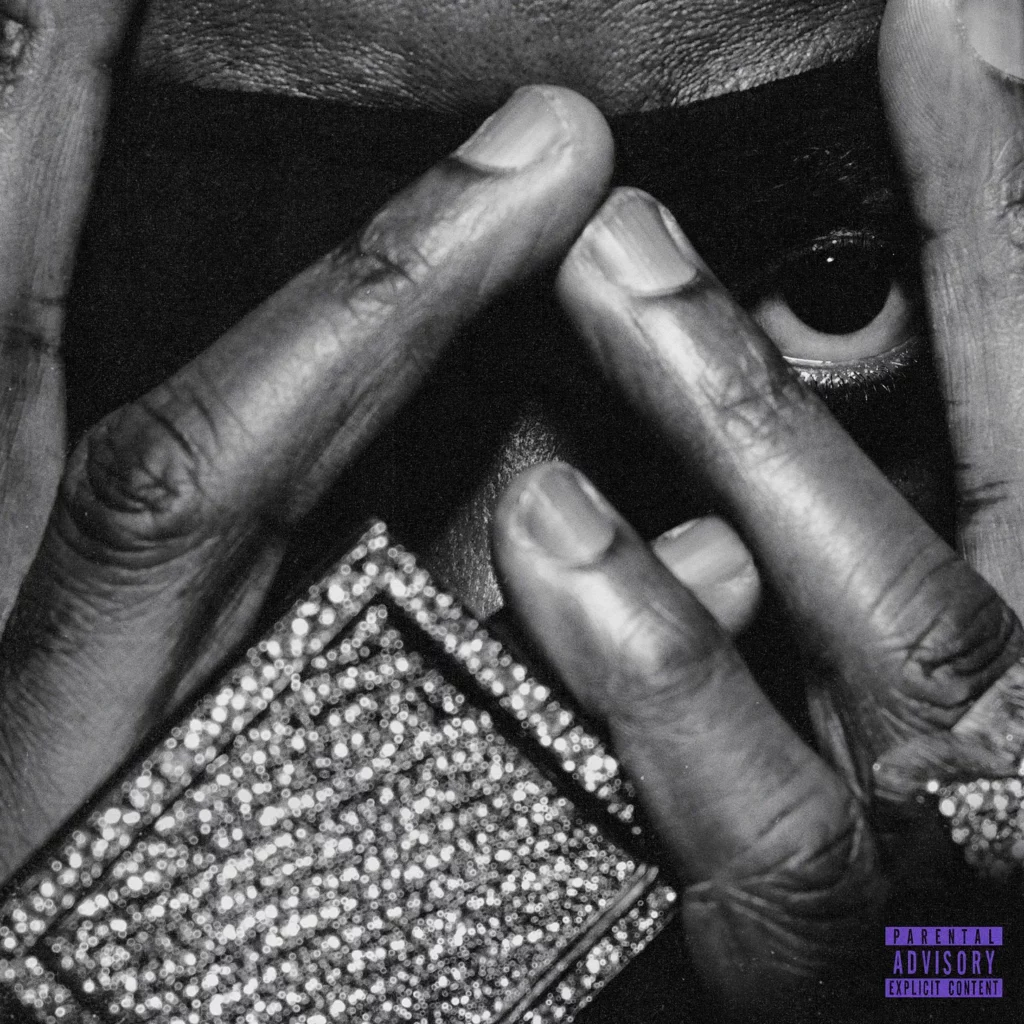
Kicking off Mass Appeal’s ambitious “Legend Has It…” series with flair, Slick Rick’s Victory emerges as a triumphant, if understated, return for one of Hip Hop’s most charismatic storytellers. At 60 years old, Richard Martin Lloyd Walters—better known as the eyepatch-wearing, British-accented icon who revolutionized narrative rap—delivers his first full-length project in 26 years since 1999’s The Art of Storytelling. Mass Appeal positions this as the opener in a lineup honoring New York Hip Hop pioneers, and it’s a fitting choice: Rick’s laid-back, sing-song delivery feels timeless, bridging golden-era charm with subtle modern touches. Executive-produced by Idris Elba, the album clocks in at a brisk 27 minutes across 15 tracks, blending boom-bap, reggae influences, and even house elements. It’s a victory lap that reminds us why Rick’s influence endures, from his sampled classics like “La Di Da Di” to his role inspiring lyricists like Nas himself.
From the opening “Victory Intro,” a spoken-word manifesto over gentle waves, Rick asserts his legacy without pretense. Tracks like “Stress” featuring UK rapper Giggs burst with classic energy—Rick’s witty bars on everyday pressures ride a knocking beat co-produced by Parker Ighile, while Giggs adds gritty transatlantic flavor. It’s an instant standout, evoking the raw, relatable tales that made The Great Adventures of Slick Rick (1988) a blueprint for Hip Hop storytelling. Similarly, “Documents” shines as a highlight, reuniting Rick with Nas for a seamless collaboration that nods to their shared Queens roots and mutual respect. Over a self-produced beat with late-’90s sauce, Rick weaves espionage-like narratives of survival and style, while Nas drops polished gems about “dope boy grace” and high-stakes chases. It’s a moment that underscores Nas’s vision for the series: elevating legends while fostering intergenerational dialogue.
Production-wise, Victory leans into throwback vibes, with Rick handling much of the boards himself. “Landlord” flips a sample from his own 1994 cut “A Love That’s True,” turning a mundane tale of property woes into a reggae-tinged commentary that’s equal parts humorous and candid—though some might debate its landlord-tenant dynamics. “Angelic” offers melancholic reflection on aging and faith, with Rick’s effortless flow floating over Dirty Harry’s atmospheric layers. “Spirit To Cry” adds emotional weight, while the overall production evokes an unearthed ’90s gem with fresh polish. The Q-Tip-produced closer, “Another Great Adventure,” caps things off poetically, blending introspection on family and legacy with fareed’s soulful touch, leaving listeners with a sense of enduring wonder.
Yet, for all its charm, Victory isn’t without flaws, making it arguably the weakest entry in the “Legend Has It…” —though still a solid, respectable effort that debunks ageism in rap. Rick sounds sharp and energetic at 60, proving he hasn’t lost his edge after decades away, but the album’s EP-like runtime and vignette structure feel more like a teaser than a fully fleshed-out statement. Many tracks hover under two minutes, including interludes like “Mother Teresa” and “Matrix,” which disrupt the flow and leave ideas underdeveloped. The house-infused experiments on “Come On Let’s Go” and “Cuz I’m Here” are bold but jarring, clashing with the project’s core boom-bap and reggae essence—we simply didn’t connect with these departures, which feel haphazard amid the otherwise cohesive nostalgia. Tracks like “Foreign,” a quick patois-laced nod to family heritage over Rory Taylor’s flip of a Dave and Ansel Collins sample, charm briefly but end abruptly, craving more depth. Even “We’re Not Losing,” with its satirical jabs at global anxieties, misses the mark on clarity, diluting Rick’s signature humor that once cut through darker themes with exaggerated flair.
Slick Rick has always been one of Hip Hop’s most lovable figures—his swanky, character-driven style makes it impossible not to root for him—and that warmth permeates Victory. It’s not chasing trends or forcing relevance; instead, it’s an authentic extension of his persona, from the comic impressions to the moral fables. In the context of Mass Appeal’s series, this serves as an intriguing launch, setting the stage for heavier hitters like Nas and DJ Premier’s collaboration. It may feel fleeting and mixed musically, with some half-baked ideas amid the heaters, but Victory reaffirms Rick’s place as a pioneer. For fans of pure, unadulterated storytelling, it’s a welcome reminder that true rulers never truly abdicate the throne.
Raekwon – The Emperor’s New Clothes
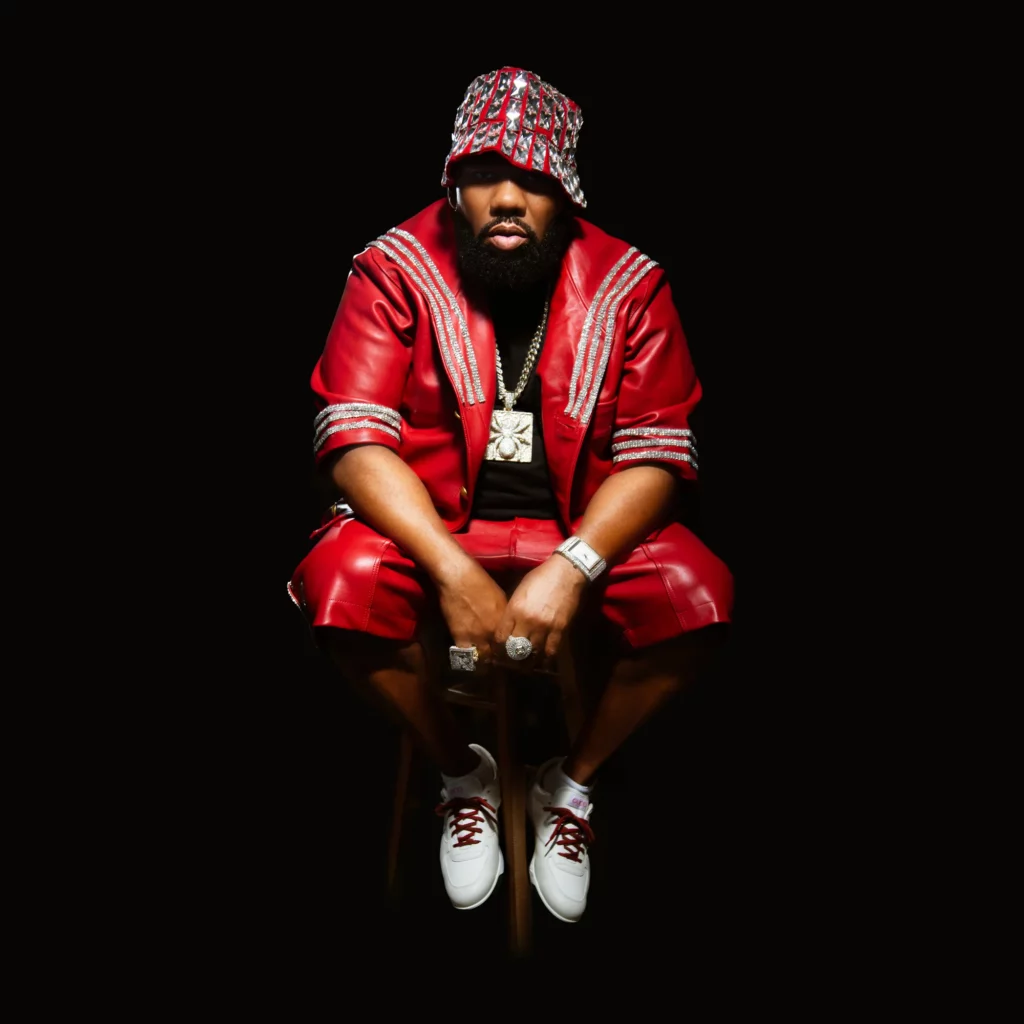
As the second installment in the “Legend Has It…” series, Raekwon’s The Emperor’s New Clothes arrives as a deliberate nod to the genre’s storied past. At 55, the Staten Island legend, born Corey Woods and forever etched in Hip Hop lore as “The Chef,” brings his eighth solo album after an eight-year gap since 2017’s The Wild. Raekwon’s pedigree is legendary: As a core Wu-Tang Clan member, his 1995 debut Only Built 4 Cuban Linx… revolutionized mafioso rap with its cinematic narratives, coded slang, and RZA’s gritty production, influencing everyone from Nas to modern street poets. Sequels and efforts like Shaolin vs. Wu-Tang (2011) have kept his catalog robust, blending luxury hustler tales with unflinching street wisdom. Here, distributed through Nas’s Mass Appeal, Raekwon crafts a 17-track, 40-minute set that reaffirms his elder-statesman status, though it plays it safe amid the series’ bold revival ethos.
The album pulses with Raekwon’s signature vivid storytelling, delivered in his husky baritone over a mix of boom-bap and soulful chops. Producers like Nottz, J.U.S.T.I.C.E. League, and Swizz Beatz provide a polished foundation, evoking dusty samples and crisp drums that echo his ’90s prime without fully recapturing its raw edge. Skits like “Veterans Only Billionaire Rehab” and “Officer Full Beard” structure the project like a mob film, framing themes of loyalty, survival, and opulent grit. Raekwon’s bars remain sharp, painting intricate portraits of Black urban life— from entrepreneurial hustles to the high stakes of street hierarchies. Tracks like “Bear Hill” demonstrate his solo prowess, detailing fresh bricks and crisp stacks with intricate wordplay, while “Da Heavies” throws back to his Lex Diamond era with lines about Cuban cigars and final drops, balancing luxury with grounded roots.
Features elevate the energy, reuniting Wu-Tang kin and bridging generations. Ghostface Killah appears thrice, their chemistry intact on the plush “Mac & Lobster,” where they boast of untouchable plans over smooth loops, and the tense “600 School” with Method Man, who steals scenes with resilient bravado despite some off-beat spots. Inspectah Deck adds precision to “Pomegranate,” trading Don-level bars on never bowing. The Griselda posse cut “Wild Corsicans”—featuring Benny the Butcher, Conway the Machine, and Westside Gunn—infuses raw East Coast fire, with Raekwon anchoring as the veteran passing the torch over chipmunk soul. Marsha Ambrosius brings silky warmth to “Debra Night Wine,” though its atonal struggle-love vibe falters. Standout “The Omertà” links Raekwon with Nas, whose verse ponders power through Torah, Quran, and palm readers, weaving faith and influence into Raekwon’s underground code— a poignant nod to their shared ’90s dominance and mutual respect.
Yet, for all its authenticity, The Emperor’s New Clothes is solid but misses the spark to make it truly memorable. The production, while clean, often feels generic and dated—Swizz Beatz’s orchestral swells on “600 School” recycle familiar New York tropes, and cuts like “Open Doors” plod with histrionic horns lacking innovation. It leans too heavily on nostalgia without pushing boundaries, resulting in a listless flow where narratives screech short (e.g., “The Guy That Plans It” ends abruptly mid-caper) and interludes disrupt momentum. Compared to OB4CL‘s gravity or even The Wild‘s expansive grit, this feels like a work-for-hire rather than a bold declaration, compounded by safe arrangements that neither lavish nor humble Raekwon’s gifts.
In the “Legend Has It…” context, this album serves as a respectable bridge, honoring Raekwon’s legacy while spotlighting his refusal to chase trends. It’s good—not great—a confident dose of raw NYC Hip Hop for loyalists, proving age is irrelevant when talent endures. Still, one wishes for that untapped chamber to fully reignite the Chef’s fire.
Ghostface Killah – Supreme Clientele 2
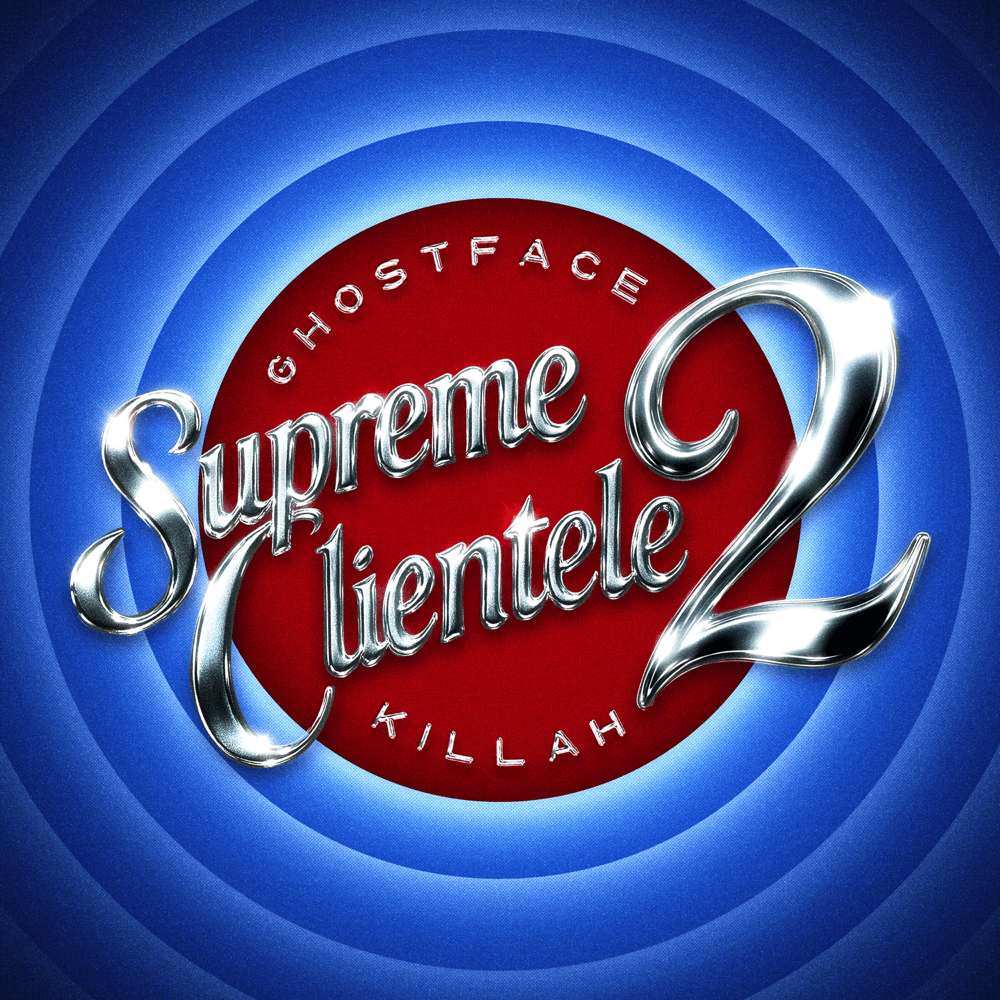
As the third chapter in the “Legend Has It…” series, Ghostface Killah’s Supreme Clientele 2 lands with the weight of legacy. Dennis Coles, aka Ghostface, boasts the strongest solo catalog among Wu-Tang Clan members, a run of vivid, emotionally charged street operas that spans over three decades. His 1996 debut Ironman and 2000 masterpiece Supreme Clientele are stone-cold classics, blending gritty narratives, surreal slang, and soulful production into timeless blueprints for East Coast rap. Efforts like Fishscale (2006) and Twelve Reasons to Die (2013) further solidified his rep as Hip Hop’s most imaginative storyteller, outpacing even his Clan brethren in consistency and depth. After a quieter stretch, including the underwhelming Set the Tone (Guns & Roses) (2024), this sequel—distributed via Nas’s label—feels like a calculated reclamation, channeling golden-era energy while grappling with the ghosts of past triumphs.
Clocking in at 48 minutes across 22 tracks, the album favors brevity, with many cuts under two minutes, creating a dense, episodic collage rather than a seamless narrative. Redman’s intro sets a hype tone, leading into “Iron Man,” where Ghostface unleashes hyperspecific bars over Chedda Bang’s clanging, soul-infused beat—lines about Ronald Reagan-stamped dope and crunching legs evoke his signature absurdity and detail. The momentum builds with “Sample 420” featuring M.O.P., a hazy, aggressive cypher that crackles with raw energy, and “Curtis May,” uniting Styles P and Conway the Machine for a generational torch-pass of hardcore lyricism. Production draws from dusty boom-bap and vintage samples, nodding to Ghostface’s roots without feeling forced, as on the Scram Jones-co-produced “Windows,” a noir-tinged banger that pulses with fast-paced menace.
Features amplify the project’s Wu-Tang essence and intergenerational appeal. “The Trial” assembles Raekwon, GZA, Method Man, Reek da Villian, and Pills for a courtroom drama posse cut, each playing roles in a tense homicide saga—it’s theatrical and immersive, a peak that honors the Clan’s collaborative fire. Nas joins on “Love Me Anymore,” their chemistry yielding a reflective dialogue on loyalty and betrayal over Rose Royce samples, with Nas’s weary wisdom complementing Ghostface’s terse grit. “Soul Thang” ropes in DriZ, Nems, ICE, Supreme-Intelligence, Sun God, and more for a hilarious, bar-heavy explosion, while the mid-album triptych—”Break Beats,” “Beat Box” with Ty Boogie and Aisha Hall, and “Rap Kingpin”—revives ’80s block-party vibes and Eric B. & Rakim nods, proving Ghostface’s flow remains hungry and unpredictable at 55.
Yet, the album’s patchwork structure introduces unevenness. Excessive skits like “Pause,” “Sale of the Century,” and “Knuckles” disrupt flow without adding value, feeling like filler in an already fragmented set. Some tracks, such as the conceptual “Candyland” (using sweets as drug metaphors) or “The Zoom” (a Lionel Richie-sampling love jam), shine in isolation but fade amid the brevity, ending abruptly before ideas fully bloom.
In truth, titling this Supreme Clientele 2 invites unfair scrutiny; it doesn’t feel like a direct sequel, lacking the original’s cohesive arc and phantasmagoric spark. Perhaps avoiding the name would have sidestepped those expectations—this is a more than fine album on its own, a rewarding return that reaffirms Ghostface’s vitality. In the “Legend Has It…” lineup, it bridges Slick Rick’s teaser-like charm and Raekwon’s solid craftsmanship, proving age hasn’t dulled his edge. Not a classic, but a potent reminder of why Ghostface remains essential: bursts of grit, emotion, and imagination that hit hard, even in fragments.
Mobb Deep – Infinite
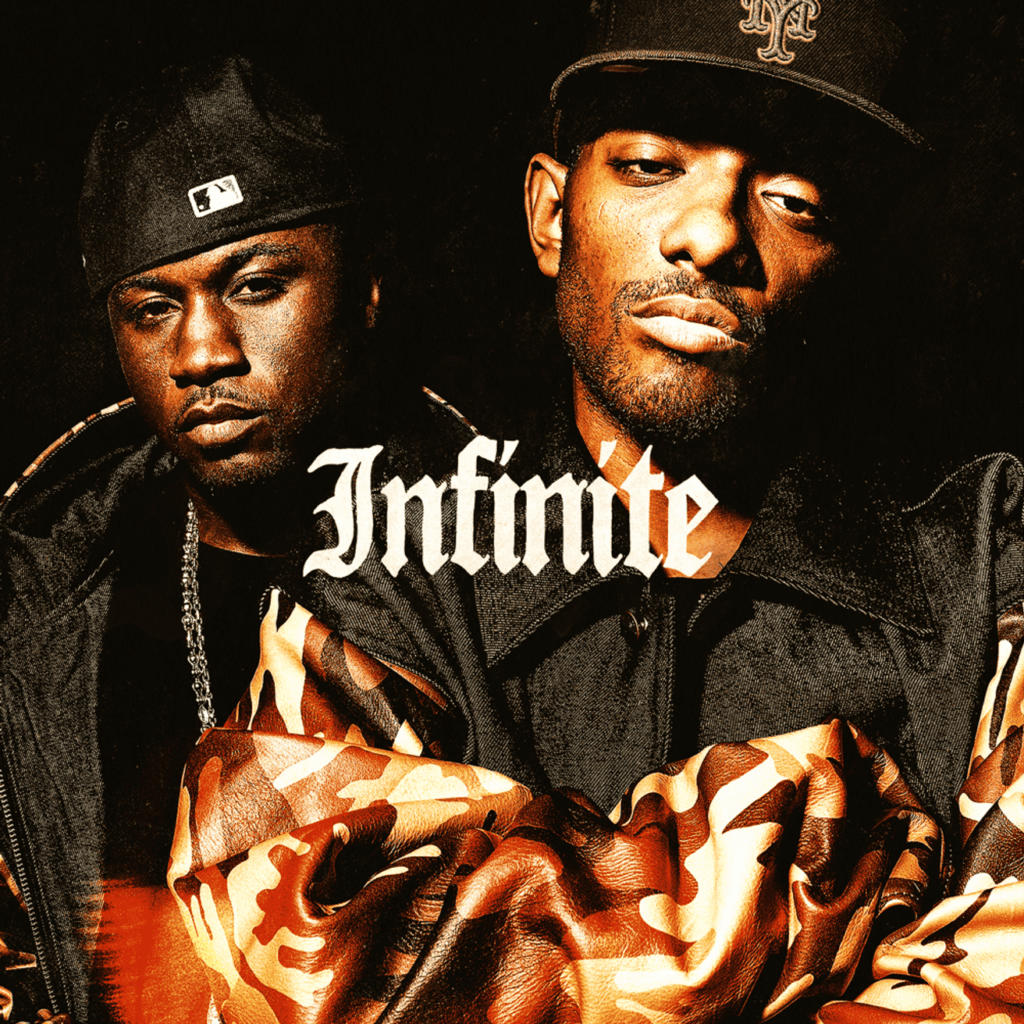
In this series, Mobb Deep’s Infinite stands as a poignant outlier, marking the duo’s first full-length since 2014 and the first without Prodigy (Albert Johnson), who passed in 2017 at 42 from sickle cell anemia complications. Havoc (Kejuan Muchita) and longtime collaborator The Alchemist helm this 51-minute, 15-track project, drawing from Prodigy’s unreleased verses to craft a respectful farewell. Skepticism surrounds posthumous releases, often criticized as exploitative vault raids, but Infinite defies that, emerging as a refined, cohesive testament to the Queensbridge icons’ enduring bond. It’s handled with evident care, echoing the thoughtful curation of A Tribe Called Quest’s final album rather than rushed cash-ins.
Mobb Deep’s pedigree is unmatched in East Coast hardcore: Emerging from Queensbridge in the early ’90s, their 1995 sophomore The Infamous redefined gritty realism with Havoc’s chilling loops and Prodigy’s unflinching bars, birthing classics like “Shook Ones Pt. II” and “Survival of the Fittest.” Follow-ups Hell on Earth (1996) and Murda Muzik (1999) solidified their dark, cinematic style, influencing generations from Nas to Griselda. Later works like Amerikaz Nightmare (2004) showed evolution, but Infinite reconnects with that core without stasis, blending street menace with mature reflection.
Havoc shoulders most production, with Alchemist on four cuts, delivering a sound that’s vintage yet polished—haunting samples, sparse drums, and deep bass evoking ’90s menace through a 2025 lens. Themes pivot seamlessly from raw violence to opulent triumphs, underscoring survival’s rewards. Opener “Against the World” sets a defiant tone over eerie piano, Prodigy’s voice—pulled from the archives—sounding timelessly sharp, while Havoc’s responses affirm their unbreakable synergy. Standouts like Havoc’s “Mr. Magik” conjure ruthless illusions with abracadabra flair, Prodigy’s bars turning elimination into dark poetry over uneasy strings. Alchemist’s “Gunfire” pulses with filtered horns and tension, Prodigy and Havoc trading vivid threats that hit like controlled bursts.
Features enhance without overshadowing, staying true to Mobb Deep’s orbit. Nas appears thrice, extending his series streak—most powerfully on “Pour the Henny,” a gut-wrenching tribute where Prodigy reflects on mortality (“I lived a full life, don’t cry for me”) amid somber keys, and Nas honors his legacy with heartfelt wisdom. Wu-Tang vets Raekwon and Ghostface Killah join “Clear Black Nights,” a no-hook posse reflection on veteran status, their bars weaving nostalgia with sincerity over smoky layers. Clipse’s “Look at Me” delivers icy synergy, Pusha T and Malice praising Prodigy’s spirit over hypnotic bass, while Big Noyd adds Queensbridge grit to “The M. The O. The B. The B.” Softer touches come from Jorja Smith and H.E.R. on dual versions of “Down for You,” their silky hooks warming the introspective core without softening the edge.
Some elements fall short: A few hooks feel rote or uninspired, like the repetitive chant on “The M. The O. The B. The B.” (a nod to Boogie Down Productions’ “Jimmy”), and certain beats stray from the duo’s rawest vintage punch, opting for cleaner mixes that occasionally dilute the grit. Tracks like “My Era” critique modern rap’s artificiality without bitterness, but brevity in spots—like the abrupt “Score Points”—leaves ideas slightly underdeveloped. Still, these are minor amid the album’s emotional depth and chemistry; Prodigy’s premonitions of legacy feel eerily prescient, and Havoc’s verses mirror them with reverence.
In the series’ arc, Infinite builds on Slick Rick’s intriguing tease, Raekwon’s solid craft, and Ghostface’s vibrant collage, proving posthumous work can transcend pitfalls when rooted in authenticity. It’s not a flawless classic, but a powerful, undaunted close—melancholic yet triumphant, affirming Mobb Deep’s infinite impact.
Big L – Harlem’s Finest: Return Of The King
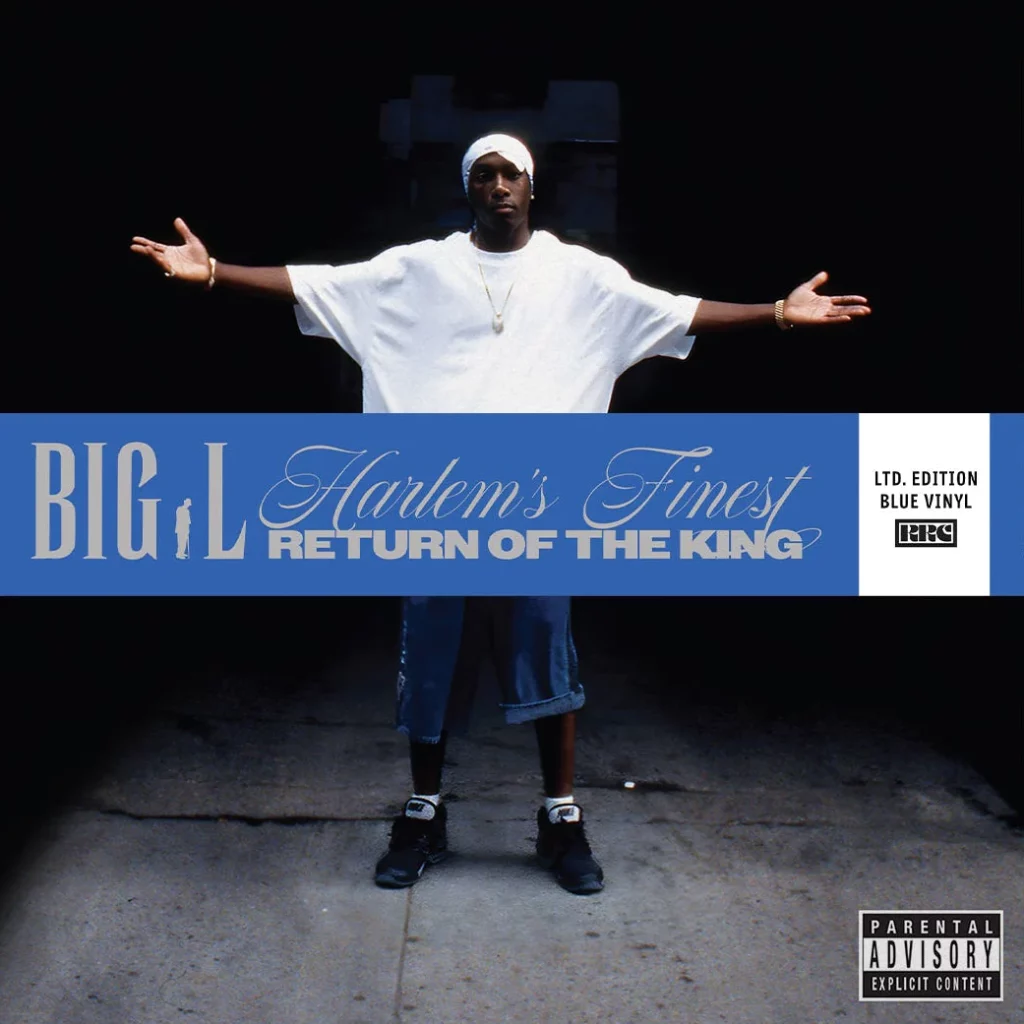
As the fifth entry in the “Legend Has It…” series—Nas’s heartfelt salute to New York’s Hip Hop forebears—Big L’s Harlem’s Finest: Return of the King carries an emotional gravity that sets it apart. Released 26 years after Lamont “Big L” Coleman’s murder at age 24, this posthumous project arrives amid a year of revivals, following Slick Rick’s brief return, Raekwon’s polished reflections, Ghostface Killah’s vibrant bursts, and Mobb Deep’s poignant closure. Curated by Nas’s label, it draws from Big L’s sparse unreleased catalog—mostly freestyles and demos—to craft a 15-track, 35-minute set. While the intent honors a fallen talent, the result is a mixed tribute: a respectful compilation that showcases his brilliance but grapples with the challenges of resurrecting a voice silenced too soon.
Big L’s pedigree looms large in East Coast lore. Emerging from Harlem’s 139th and Lenox in the early ’90s, he joined Diggin’ in the Crates Crew (DITC) alongside Lord Finesse, Fat Joe, and Diamond D, honing a style of intricate punchlines, multis, and street-sharp narratives. His 1995 debut Lifestylez ov da Poor & Dangerous blended horrorcore edges with battle-ready wit, earning cult status for tracks like “Put It On” and “M.V.P.” His planned sophomore, The Big Picture (released posthumously in 2000), elevated him further with guests like Kool G Rap and Big Daddy Kane, hinting at stardom on the horizon. Big L’s murder in 1999—amid rumors of Roc-A-Fella ties—left a void, his catalog more myth than material, amplified by bootlegs and online archives.
Mass Appeal approaches this with archival care, remastering raw recordings to streaming quality while securing family rights. The album leans on freestyles, transforming them into structured cuts with modern production from G Koop, Conductor Williams, and others. Standouts preserve Big L’s razor wit: Opener “Harlem Universal” pairs him with Herb McGruff over soulful percussion, his bars on hustles and neighborhood pride flowing with effortless menace. “U Ain’t Gotta Chance,” featuring Nas, shines as a generational bridge—Big L’s 1997 Tim Westwood freestyle gets a crisp beat, his lines about elusive riches landing sharp, while Nas delivers a fresh verse on discipline, subtly shading contemporaries like Jim Jones. It’s a nod to their shared history, including Nas’s early sample in Big L’s “Devil’s Son,” and fits the series’ connective spirit.
Other highlights include the iconic “7 Minute Freestyle,” remastered from the 1995 Stretch & Bobbito session with Jay-Z, where Big L’s breath control and clever bars (“I’m so ahead of my time, my parents haven’t met yet”) dominate. “Fred Samuel Playground” unites him with Method Man over gritty bass, evoking Harlem landmarks and dark humor, while “Grants Tomb ’97” with Joey Bada$$ and BVNGS channels cipher energy, Joey’s verse echoing L’s influence on Brooklyn revivalists. “Forever,” featuring Mac Miller and Pale Jay, offers a bittersweet imagined dialogue between two lost talents, Mac flexing wordplay amid reflections on inspiration.
Yet, the posthumous format introduces flaws that temper the glow. Many tracks clock under two minutes, feeling like unfinished vignettes rather than full songs—e.g., “Doo Wop Freestyle ’99” and “Stretch & Bob Freestyle ’98” charm with punchline density but end abruptly. Modern beats often dilute the raw authenticity of the originals; polished mixes clash with tinny demo vocals, making timing feel offbeat at spots. Features like Mac Miller add conceptual depth but can seem forced, prioritizing narrative over sonic cohesion. Compared to Mobb Deep’s Infinite, which wove Prodigy’s verses seamlessly, this leans more compilation than album, recycling familiar loosies without the innovation to elevate them fully.
In the series’ trajectory, Harlem’s Finest serves as a somber pivot, bridging Ghostface’s bursts and the upcoming De La Soul effort. It’s not a flawless resurrection—some might see it as estate-driven rights play—but it restores Big L’s voice for new ears, affirming his limitless potential. A solid, if uneven, homage that reminds us of Hip Hop’s fragility and Harlem’s enduring fire.
De La Soul – Cabin In The Sky

As the penultimate release the “Legend Has It…” series, De La Soul’s Cabin In The Sky emerges as a radiant, introspective gem, their first album in nine years and the first shadowed by the 2023 passing of David “Trugoy the Dove” Jolicoeur. Following Slick Rick’s concise comeback, Raekwon’s assured craftsmanship, Ghostface Killah’s dynamic fragments, Mobb Deep’s defiant closure, and Big L’s archival patchwork, this 20-track, 71-minute effort honors De La’s legacy while navigating profound loss. Posdnuos (Kelvin Mercer) and Maseo (Vincent Mason), with the Jolicoeur family’s support, transform grief into a celebration of life, friendship, and creative endurance.
De La Soul’s pedigree redefined Hip Hop from the start: Bursting from Long Island in 1989 with 3 Feet High and Rising, they infused the genre with psychedelic sampling, abstract humor, and Daisy Age positivity, influencing Native Tongues peers like A Tribe Called Quest. Albums like De La Soul Is Dead (1991), Buhloone Mindstate (1993), and Stakes Is High (1996) evolved their sound toward sharper lyricism and social commentary, while later works like The Grind Date (2004) and And the Anonymous Nobody… (2016) returned to Hip Hop basics or embraced experimentation. The group’s streaming resurgence in 2023—after decades of label disputes—amplified their catalog, but Trugoy’s death just weeks prior cast a pall, making this return both triumphant and bittersweet.
Drawing from the 1943 Black musical film, Cabin In The Sky explores earthly joys, spiritual transitions, and legacy’s weight, blending sunny grooves with reflective depth. Production from DJ Premier, Pete Rock, Supa Dave West, Nottz, Jake One, and Trugoy himself crafts a warm, soulful palette—jazzy loops, bouncy rhythms, and layered textures that evoke their golden era without stagnation. Giancarlo Esposito’s opening narration lists guests, pausing poignantly on “Dave,” letting silence underscore the void before the music affirms presence.
Standouts abound: “YUHDONTSTOP,” over Trugoy’s string-laced loop, finds Posdnuos grappling with continuation amid loss, his bars vulnerable yet resolute. “Good Health” revives Trugoy’s voice in full, his sly charisma intact, while Posdnuos adds maturity, creating a seamless dialogue. Premier’s “Sunny Storms” channels stoic optimism, Posdnuos reflecting on aging with unflinching clarity. “EN EFF” pairs Black Thought’s masterful precision with a gritty beat, a lyrical clinic that rivals De La’s peaks. “A Quick 16 for Mama” unites Killer Mike’s heartfelt warmth in maternal tributes, while “Cruel Summers Bring FIRE LIFE!!” flips a Roy Ayers sample—echoing their 1989 roots—for vibrant storytelling.
Guests elevate without overwhelming: Nas energizes “Run It Back!!” with conversational flow; Q-Tip brings familial ease to “Day In The Sun (Getting’ Wit U)”; Slick Rick and Common add old-school flair to “Yours”; Yukimi Nagano’s lilting tones brighten “Cruel Summers Bring FIRE LIFE!!”; Bilal’s wavering vulnerability deepens “Palm of His Hands.” The title track poignantly questions mortality, Posdnuos weaving art and absence into a somber boom-bap canvas. Closer “Don’t Push Me” ends with Trugoy’s unfiltered humor, a fitting, alive capstone.
Flaws are minimal: The runtime demands patience, and some skits disrupt flow, but the emotional authenticity overrides. Unlike Big L’s uneven compilation or Mobb Deep’s raw defiance, this feels like a true evolution—grief-fueled yet forward-looking, balancing melancholy with De La’s eternal uplift.
In the series’ arc, Cabin In The Sky bridges Infinite‘s closure and the Nas x Premier finale, proving De La’s spark endures. Not a eulogy, but a vibrant continuation, it reaffirms their role as Hip Hop’s joyful innovators, turning sorrow into soulful light.
Nas & DJ Premier – Light-Years
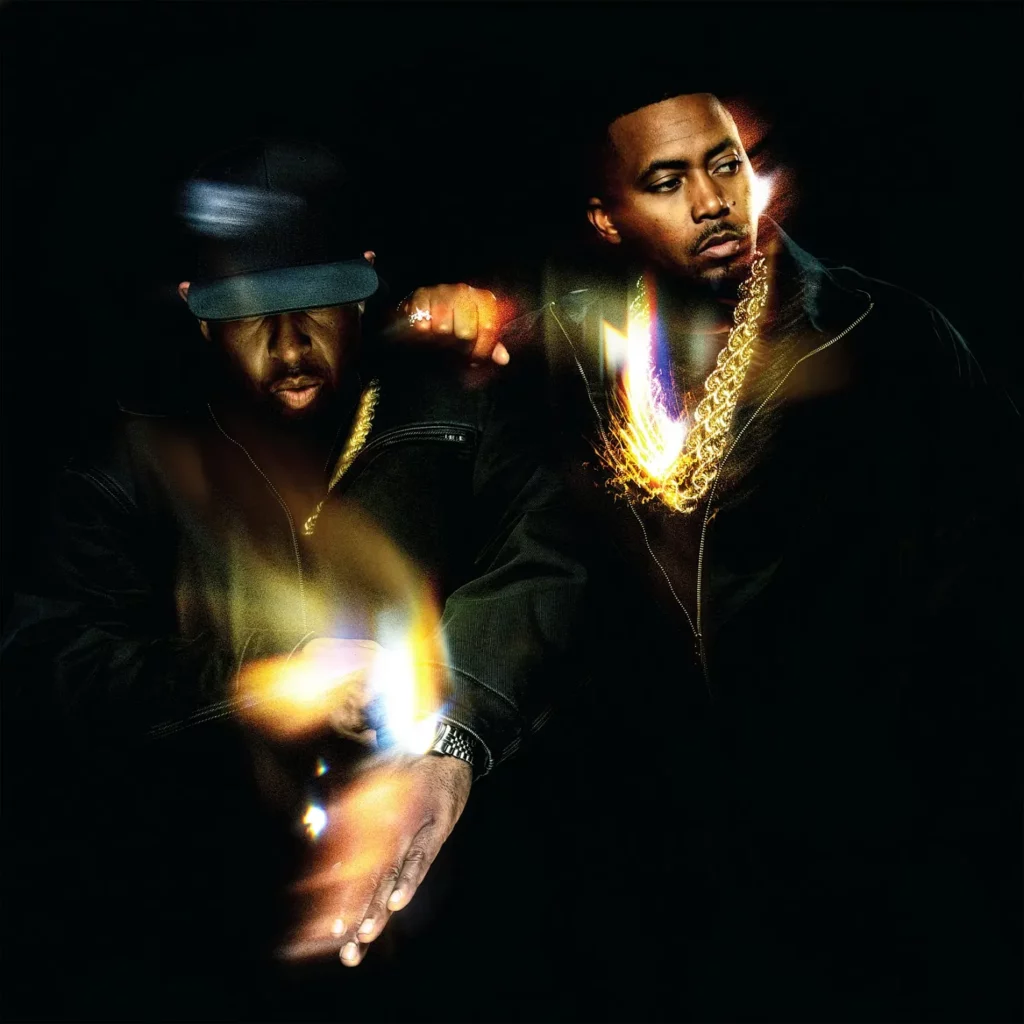
Few partnerships in Hip Hop embody longevity and mastery like Nas and DJ Premier. Nas entered the culture as a prodigy, rewriting rap’s possibilities with Illmatic (1994), a debut hailed as one of the greatest albums ever made. Over the decades, he’s balanced poetic introspection with street realism, delivering classics like It Was Written, Stillmatic, God’s Son, and more recently, a six-album renaissance alongside Hit-Boy that reaffirmed his creative vitality. DJ Premier, meanwhile, built the sonic architecture of East Coast Hip Hop from the late ’80s onward. As half of Gang Starr, his precision-cut drums, chopped jazz samples, and signature scratches became a blueprint for authenticity, fueling anthems for artists from Jay-Z and Biggie to Mos Def and Royce da 5’9”. Together, their collaborations—“N.Y. State of Mind,” “Nas Is Like,” and “Represent”—form towering pillars in rap history. Light-Years reunites two legends, and it extends a partnership that has shaped the DNA of the genre itself.
By the time Light-Years arrived in December 2025, the Legend Has It series had already become an automatic cultural bookmark. In six straight months, Mass Appeal and the estates or collaborators of rap icons had delivered nothing short of an all-star relay: Slick Rick’s cinematic Victory in June, Raekwon’s elegant The Emperor’s New Clothes in July, Ghostface Killah’s long-awaited Supreme Clientele 2 in August, Mobb Deep’s haunting Infinite and Big L’s resurrected Harlem’s Finest: Return of the King in October, and De La Soul’s triumphant Cabin in the Sky in November. Each project celebrated legacy with new life. But closing the run with Light-Years—a full-length Nas and DJ Premier album spoken of in whispers for nearly two decades—felt like the only fitting finale.
For fans who grew up on scratched CD cases and bootleg tapes, this wasn’t just another release—it was the completion of a prophecy. The project that existed for years as rumor and daydream finally materialized, and it does so without leaning on nostalgia. Nas and Premier don’t chase Illmatic or Moment of Truth aesthetics. Instead, they distill decades of craft into something lean, patient, and deeply human.
“My Life Is Real” sets the stage with understatement and authority. Over piano chords that loop with meditative precision, Nas grapples with survival, mortality, and success, invoking ghosts like Big L and Prodigy while defining peace as something internal. Premier’s drums sound carved from the elements—stone, steel, and memory. These aren’t flashy beats; they’re blueprints. This is basement boom-bap built for full systems or high-end headphones, not tinny phone speakers. The mix breathes. Between kicks, you hear history.
And there’s meticulous detail buried in that simplicity: the salute to Q-Tip’s “the boom, the bip, the boom-bip” on “My Life Is Real,” the flipped snippet of Inspectah Deck declaring “murderous material made by a mad man” on “GiT Ready,” and subtle nods to artists like The Pharcyde, Beastie Boys, LL Cool J, and others sprinkled across the album. Premier approaches the turntables not as nostalgia but as authorship—he’s archiving while innovating.
The immediate social media reactions—calling Premier “washed” or the sound “dated”—say more about today’s attention economy than the record itself. Light-Years demands engagement, not skimming. You can’t half-listen to art that was built grain by grain. This is the sound of patience, earned lessons, and partnership.
Nas, now five decades deep into life and three into greatness, sounds sharper than ever. On “GiT Ready,” he meshes crypto ambition with street intuition, rhyming about “Ether to Ethereum” like bridging eras is second nature. “Pause Tapes” rewinds farther, tracing his first beat-making experiments in his mother’s closet, looping Johnny Taylor and Grover Washington records on cassette pause buttons. It’s origin turned scripture.
“Writers” expands that story into communal legacy, cataloging graffiti artists like Taki 183, Lady Pink, and Cost as ancestral spirits of Hip Hop visual language. “My Story Your Story,” his only collaboration, reunites him with AZ for another effortless trade of street wisdom and mature restraint. Their connection remains timeless—two veterans who’ve learned plenty but still talk like hustlers at a late-night diner.
On “Bouquet (To the Ladies),” Nas offers gratitude instead of generic homage, celebrating everyone from Sha-Rock to Ice Spice, grandmothers to the executives who first believed in him. “Junkie” flips confession into craft therapy, comparing his bond with Hip Hop to substance dependence—addiction not to fame, but to the art itself. Premier matches the theme with pulse-driven percussion that feels like withdrawal turned rhythm.
The emotional core arrives with “Sons (Young Kings),” a meditation on fatherhood that bridges tenderness with generational urgency, before closing on “3rd Childhood.” That last track rejects the notion that Hip Hop has an age limit. Nas raps about growing older in the same gear—Timbs, Glocks, fitteds—and finding sanctity in consistency. It’s a fitting sendoff for the series itself: legacy as living practice, not museum display.
Across its 15 tracks, Light-Years brings Legend Has It full circle. Where Victory reintroduced storytelling flamboyance, The Emperor’s New Clothes and Supreme Clientele 2 doubled down on wordplay and cinematic texture, Infinite and Harlem’s Finest mourned yet immortalized the fallen, and Cabin in the Sky offered rebirth—Nas and Premier deliver reflection. Their album isn’t about reclaiming relevance; it’s about refusing to let time rewrite excellence.
For those of us who still believe in headphones, liner notes, and full-album immersion, Light-Years is more than a long-awaited reunion. It’s a statement of endurance—Hip Hop aged with dignity, craft aged with fire.
Conclusion
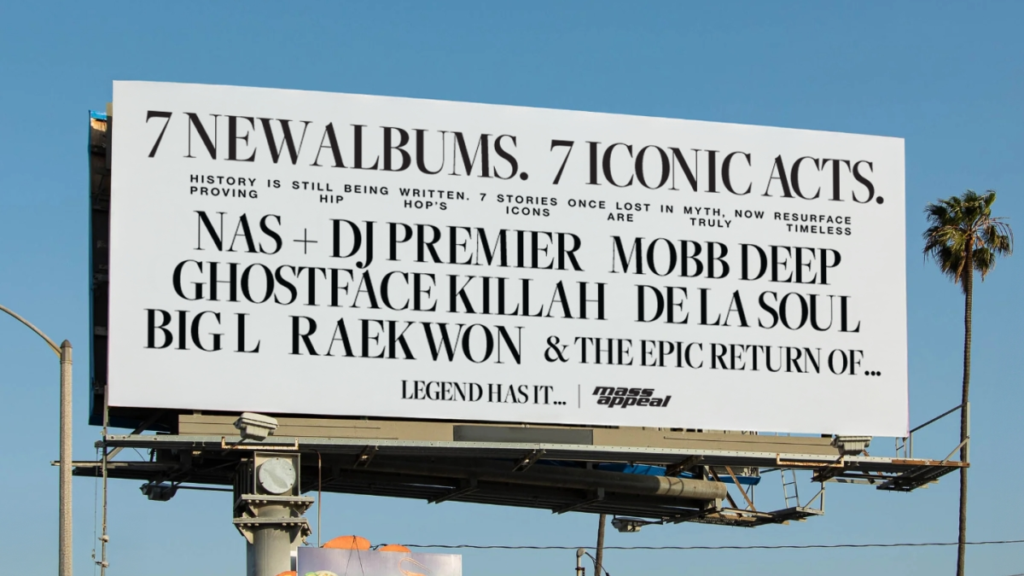
If Illmatic was Nas’s manifesto and King’s Disease his late-career renaissance, then Legend Has It… can be seen as his grand act of cultural preservation—a curatorial triumph that reaffirms Hip Hop’s soul in an era too eager to forget its elders. Through Mass Appeal, Nas has pulled off something few artists of any generation could: orchestrating an ambitious, multi-album celebration of New York’s foundational voices while grounding it in forward motion, not nostalgia.
The praise is well earned. Legend Has It feels like a cultural movement. At a time when algorithms flatten artistry and trends outpace craftsmanship, Nas has given the culture precisely what it needed: a recalibration of values. By gathering legends like Slick Rick, Ghostface Killah, Raekwon, and De La Soul—and reviving the spirits of Big L and Mobb Deep—he turned what could’ve been a tribute into something living, breathing, and deeply participatory. These artists aren’t being remembered; they’re being reinvigorated. Each project sounds like a fresh chapter, not a museum exhibit.
That vitality is matched by authenticity. Across the series, the production choices—dusty samples, neck-snap drums, soul-infused cuts—cling proudly to boom-bap DNA. It’s a refusal to assimilate into the disposable soundscape of modern streaming playlists. Nas, with his lifelong archivist’s instinct, understands better than anyone that authenticity doesn’t mean stagnation—it means maintaining creative standards and respecting lineage. Legend Has It reminds audiences, especially younger ones, that before “viral” there was “vital,” and that Hip Hop’s staying power lies in substance.
The series also innovates beyond the studio. Partnering with Marvel to produce a companion Legend Has It comic book series was a masterstroke—a marriage of medium and myth. It reimagines these artists as superheroes, extending their legacies into visual storytelling and ensuring their impact resonates across generations. That kind of cross-media connection, equal parts art and education, encapsulates Nas’s curatorial genius. He’s not just releasing albums; he’s expanding Hip Hop’s imaginative universe.
For these reasons—and plenty more—Nas stands at the center of this achievement not as a performer but as a custodian. He’s giving flowers to his peers, both living and departed, while reminding fans that the culture’s foundation still holds weight. The Legend Has It series is not merely nostalgic; it’s restorative, an act of resurrection that honors struggle, celebrates artistry, and solidifies heritage. It’s what happens when someone who’s already cemented his own legacy uses his power to amplify others.
And now that all seven chapters have landed, we can’t help but hope there’s another run in 2026. Because this kind of reverent creativity—this rare balance of vision, integrity, and collaboration—is what keeps Hip Hop human.
Of course, we know lists are subjective. Ranking greatness is not a necessity but a joy, an excuse for argument among fans who care enough to parse masterpieces. Still, because we love a good debate, here’s our final order from this remarkable series:
7. Slick Rick – Victory
6. Big L – Harlem’s Finest: Return of the King
5. Raekwon – The Emperor’s New Clothes
4. Ghostface Killah – Supreme Clientele 2
3. Mobb Deep – Infinite
2. Nas & DJ Premier – Light-Years
1. De La Soul – Cabin in the Sky
Rankings aside, every release in Legend Has It carries meaning far beyond metrics. Each is a reminder that Hip Hop’s history isn’t past tense—it’s still unfolding. And as long as Nas is guiding the vision, that story remains in the best hands possible.