
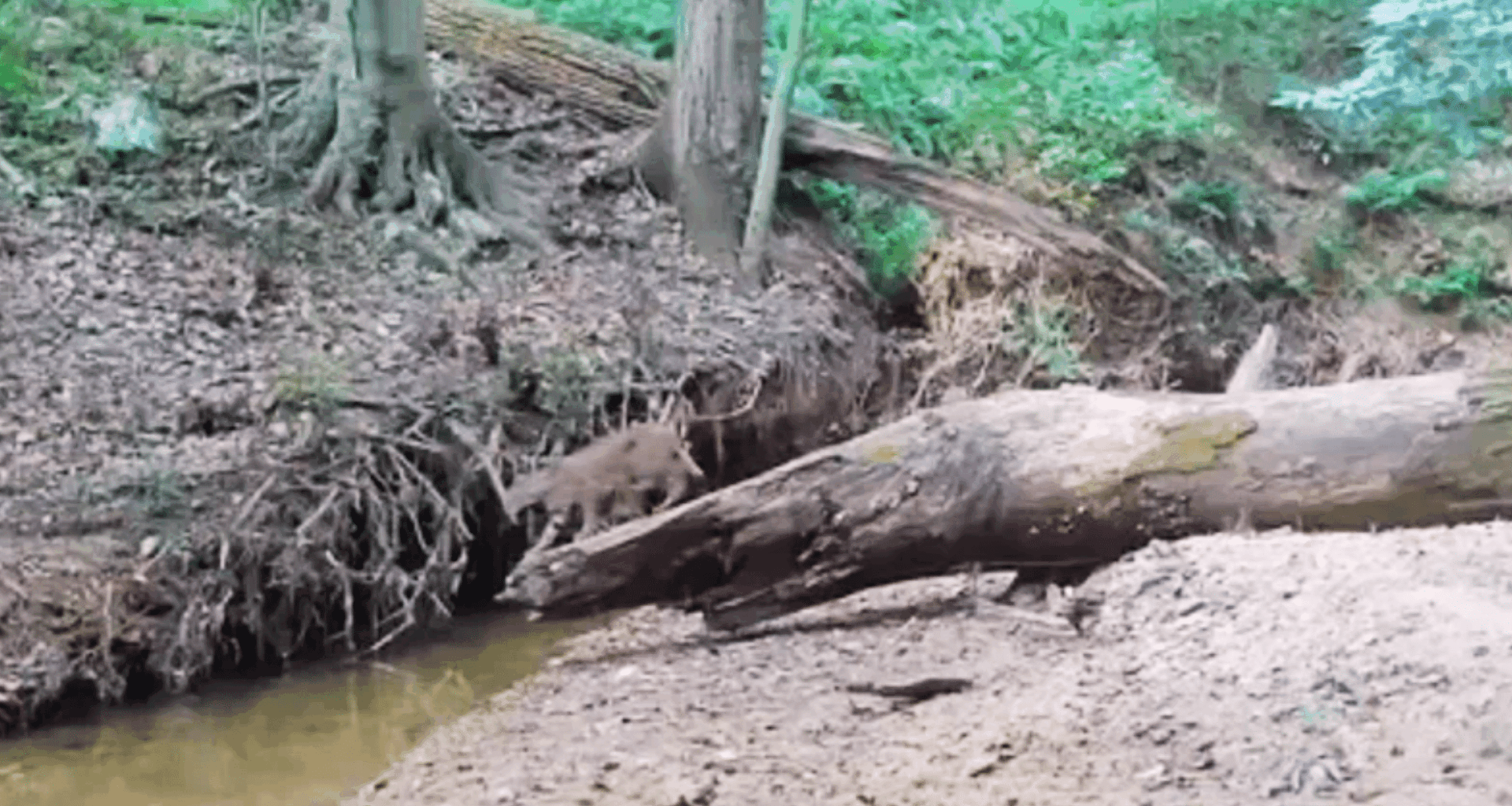
Imagine a hidden predator, quietly roaming the forests of Maryland, its presence only whispered about in local folklore and scattered sightings. For years, conservationists and wildlife enthusiasts had suspected its existence in Harford County, but they lacked the concrete proof to back it up. That is, until recently, when a trail camera captured a stunning moment that would leave even the most seasoned experts in awe. The Susquehannock Wildlife Society, dedicated to preserving Maryland’s native species, is now celebrating an exciting new chapter in their efforts to understand the creatures that share our landscapes.
A Rare Discovery in Harford County
Bobcats, the only native wild cat species in Maryland, have always been a source of intrigue for wildlife experts. Though sightings of these stealthy predators have been reported, hard evidence was previously elusive. According to the Susquehannock Wildlife Society,
“To our knowledge, this sighting represents the first time a Bobcat has been photographically recorded in Harford County! Several eyewitness accounts of this species have occurred locally, although none of these sightings have been backed up with evidence until now.”
The first confirmed footage of a bobcat, captured by a trail camera set up on private land, validates years of speculation. These animals, often seen as symbols of the wild, have been largely confined to Maryland’s western counties. However, this sighting in Harford County expands the known range of bobcats, indicating that they may be more widespread across the state than previously understood.
The Role of Trail Cameras in Wildlife Conservation
The use of trail cameras has revolutionized wildlife research, allowing conservationists to capture vital data about animal populations and behaviors. The Susquehannock Wildlife Society’s successful use of these cameras to document the bobcat sighting highlights the growing importance of this tool in modern conservation efforts. Trail cameras are invaluable for studying elusive species that typically avoid human interaction, offering a non-intrusive way to monitor their movements and habits.
In fact, trail cameras have provided evidence of rare or previously unconfirmed species across the globe. This breakthrough in Harford County serves as a perfect example of how technology is helping wildlife experts track species that might otherwise remain hidden. The footage also offers researchers important insights into the bobcat’s behavior, health, and the broader ecological role it plays in local ecosystems.
The Significance of the Bobcat in Maryland’s Ecosystem
Bobcats are skilled predators with an essential role in regulating populations of smaller animals, such as rabbits and rodents. Their presence in Maryland’s ecosystem serves as an important natural check on the numbers of these species, helping to maintain balance in the food chain. As opportunistic hunters, bobcats can adapt their diet to include deer, birds, and even reptiles, depending on availability. This versatility ensures that they are efficient in controlling prey species, preventing overpopulation and the spread of disease among smaller animals.
Despite their fearsome reputation, bobcats are typically elusive and prefer to avoid humans. They rarely pose a threat to domestic pets and tend to keep their distance from populated areas. However, their nighttime calls, which can be eerie and unsettling, are a reminder of their presence in the wild. As more sightings like this one are documented, public awareness of their importance in maintaining ecological balance grows, and so does the understanding that protecting their habitat is crucial.
A Triumph for Conservation Efforts
The discovery of a bobcat in Harford County is more than just an exciting find; it is a triumph for wildlife conservationists working to preserve species that may be on the brink of being overlooked. For years, conservation groups like the Susquehannock Wildlife Society have worked to monitor the presence and health of species like the bobcat. Their persistence in gathering data and pushing for more research has paid off with this groundbreaking discovery.
The sighting also reinforces the importance of maintaining healthy habitats for wildlife. As urban development continues to encroach on natural spaces, many species are forced into smaller, fragmented areas. The bobcat’s ability to adapt to various environments, however, speaks to its resilience and the necessity of preserving areas where these creatures can thrive. Efforts to protect their habitats will be essential in ensuring their survival for future generations.