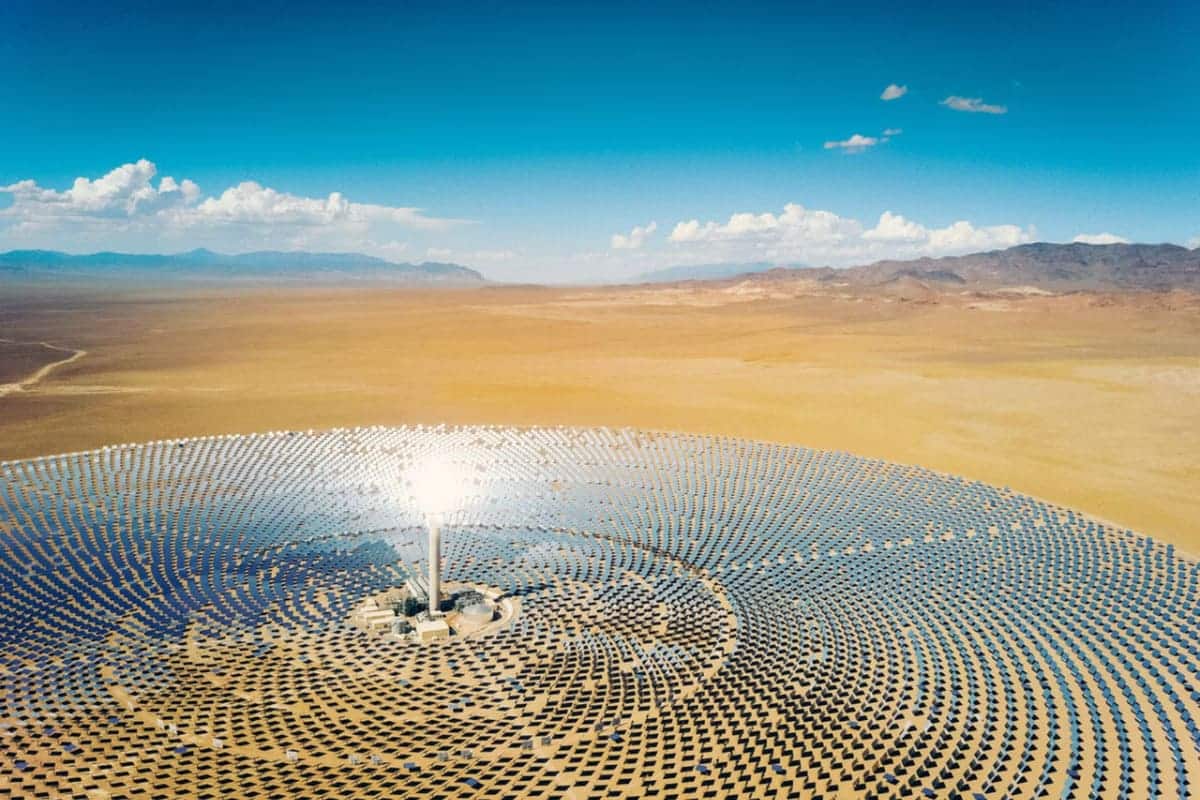
Picture an endless ocean of golden sand shimmering under an unforgiving sun. On the surface, it seems like the perfect spot to harvest clean, limitless energy. But in reality, turning deserts into giant solar farms is far more complicated than it looks.
The idea of carpeting vast stretches of desert with solar panels is tempting — cheap land, abundant sunlight, and no neighbors to complain. Yet the plan runs into serious technical, environmental, and economic hurdles. Here’s why deserts haven’t become the world’s next great solar powerhouses.
The surprising environmental cost of desert solar farms
It turns out that filling deserts with solar panels could create serious ecological side effects. Because they’re dark, panels absorb far more heat than sand. The result?
• Higher local temperatures,
• Shifts in air circulation, and
• Disruptions to delicate desert ecosystems.
Some studies even suggest that a massive solar farm in the Sahara could alter rainfall patterns across continents — potentially increasing monsoon rains in Africa while reducing rainfall in the Amazon.
There’s also the practical toll. Large-scale solar infrastructure would demand huge amounts of water and construction materials — both hard to come by in arid regions. And while solar energy is clean, the production and transport of the panels themselves carry a measurable carbon footprint.
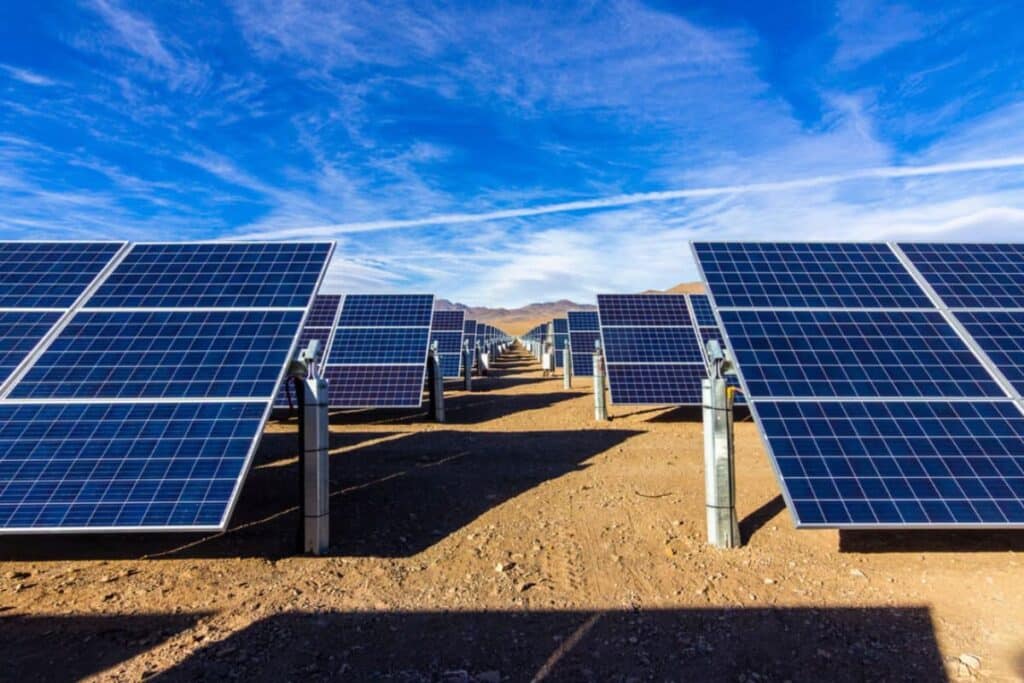
Deserts and solar energy: an obvious solution… but why isn’t it widespread? Why don’t we cover deserts with solar panels? © abriendomundo, iStock
Harsh realities: the technical and economic challenges
Even if we could build them, keeping solar panels running in desert conditions is no easy feat. Engineers face several major challenges:
Scorching temperatures reduce the efficiency of photovoltaic cells.
Constant sandstorms mean panels must be cleaned often — a tough task across thousands of acres.
Remote locations lack power grids, making it difficult to deliver electricity to faraway cities.
These issues add up to enormous costs. That’s why projects like Innova MicroSolar are shifting toward smaller, decentralized systems designed to fit local needs and lower financial risk.
New ideas for a smarter desert solar strategy
The dream of desert solar power isn’t dead — it’s evolving. Researchers are experimenting with creative new approaches:
TechnologyAdvantagesChallengesFloating solar panelsMinimal land impact, natural coolingNeed for water sources, high setup costsConcentrated solar towersGreater efficiency, built-in energy storageComplex systems, steep initial investmentSolar microgridsScalable, adaptable to communitiesLimited output, distribution management
These adaptive designs could unlock the desert’s potential while keeping ecosystems intact. The future of solar energy here likely depends on finding the right balance between innovation and sustainability.
A holistic path forward
Pursuing renewable energy is vital for combating climate change — but it can’t come at the expense of the environment we’re trying to save. Harnessing desert sunlight on a massive scale would require a holistic approach that weighs every environmental, economic, and social factor.
Deserts may one day host vast solar projects, but success will depend not just on technology — it will hinge on wisdom, restraint, and respect for nature’s balance.