
In 2024, the reef experienced its most widespread coral-bleaching event on record, affecting the entire reef system. By 2025, surveys by the Australian Institute of Marine Science (AIMS) documented the largest annual drop in live coral cover in nearly 40 years of monitoring, noting that some reefs lost up to a third of their hard-coral cover in one year. Scientists warn that the Reef is becoming increasingly volatile and unstable, with back-to-back bleaching events, extreme weather, warming temperatures, and outbreaks of invasive predators, many of them driven or worsened by human activity, are accelerating the rate of coral loss.
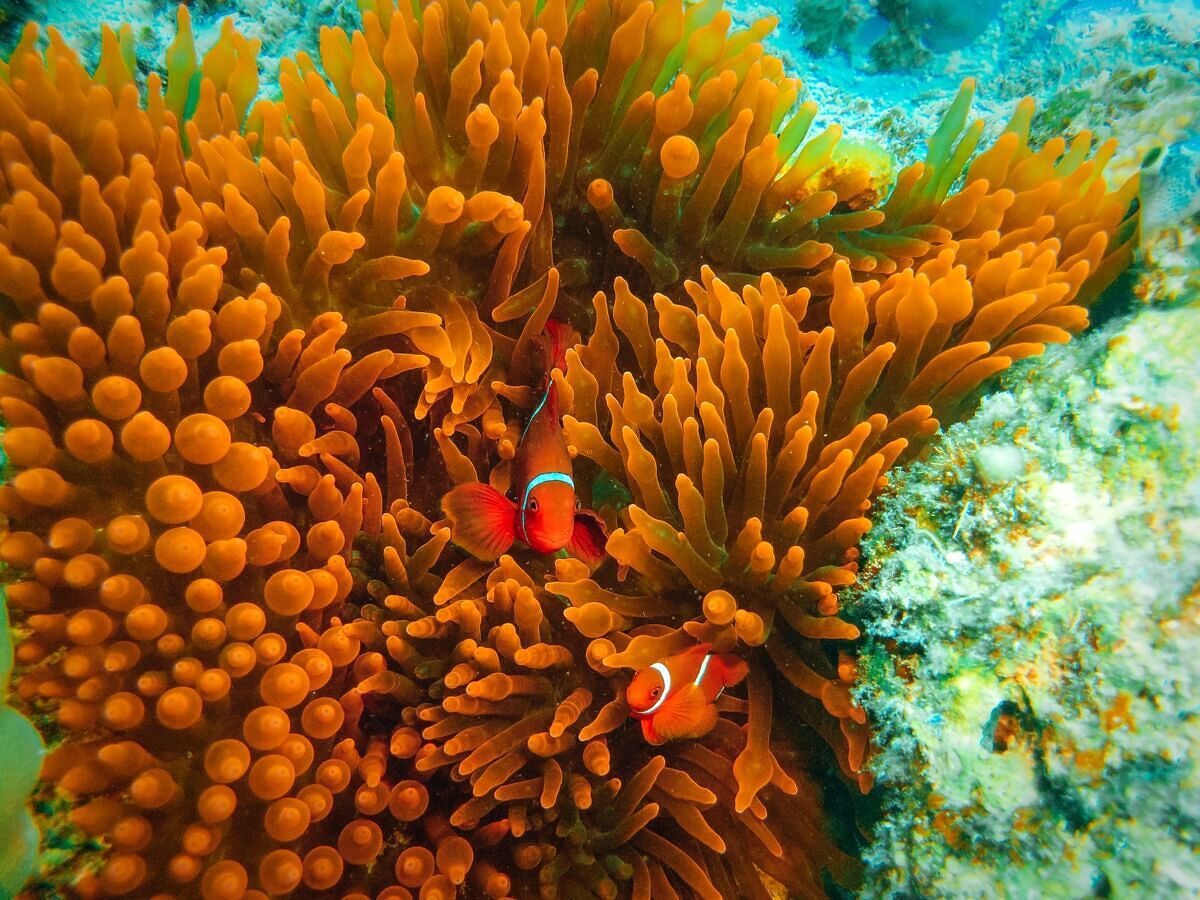
Despite these challenges, there remains substantial biodiversity and beauty to experience on all sections of the GBR. The Reef still hosts hundreds of coral species and a complex marine ecosystem: colorful fish, sea turtles, reef sharks, rays, and myriad invertebrates, including nudibranches and other mind-blowingly cool underwater creatures. For some species, 2026 may be among the last opportunities to see them here in significant numbers.
Visiting in 2026 is a chance – possibly a final one, though humans could still turn things around – to see the Great Barrier Reef in a form closer to what generations before us experienced: spectacular, thriving, and rich in color and life. Your visit will also support conservation at a time when funding is more critical than ever. All commercial tourism companies in the Great Barrier Reef Marine Park, from dinner cruises and scuba diving trips to the Aboriginal-owned Deadly After Dark cultural tours, must collect an Environmental Management Charge from guests. That money goes straight to the Great Barrier Reef Marine Park Authority, which works to protect the reef for future generations.
How to reach the Great Barrier Reef Marine Park, Australia
Most day trips and liveaboards depart from Cairns on Australia’s northeast coast, which has a major international airport. 