
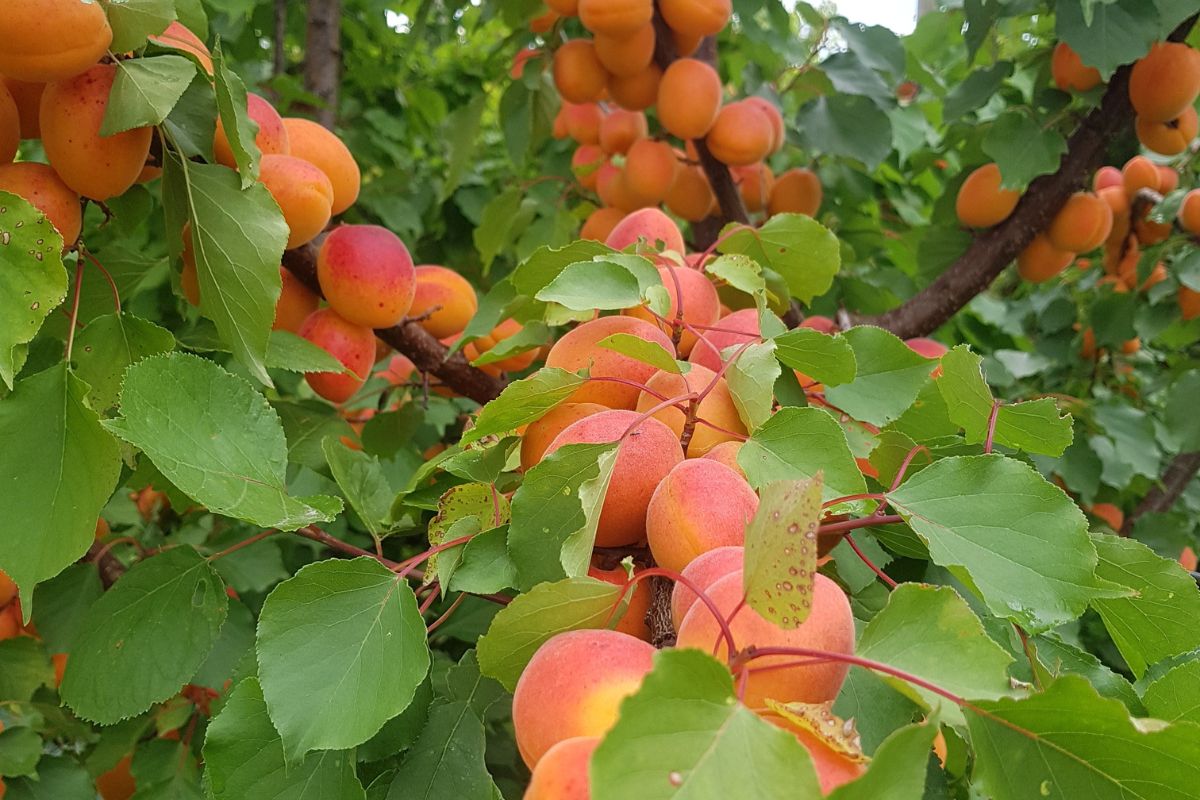
With a promising start to the summerfruit season and the biggest volumes yet to come, retailers have a golden opportunity to showcase fresh, locally grown stonefruit that will attract shoppers throughout the summer months.
Apricots, cherries, nectarines, peaches and plums from Hawke’s Bay and Central Otago are flowing into supermarkets, offering premium colour, flavour and texture that will delight consumers of all ages.
Summerfruit NZ Chief Executive, Dean Smith, said this season has shaped up well.
“Both major growing regions reported mostly full fruit sets, with only some variability in plums from Hawke’s Bay. There has been plenty of winter chill, which is necessary for deciduous fruit trees, and good soil moisture back at bloom.”
Volumes of all summerfruit have built steadily throughout late spring and early summer. The main growing regions often dovetail each other in terms of harvest timing, ensuring a steady flow of fresh summerfruit for domestic and export markets.
“The biggest volumes of all stonefruit are in January. A crowd favourite is a Sweet Dream peach – big with a rosy red blush, peelable skin, fabulous melting texture, and a sweet flavour with a hint of acid in the background,” said Smith.
“The last fruit to be picked is peacharines from Mangaweka (branded Diana’s) and a New Zealand-bred plum called Malone in Hawke’s Bay in March. So there is New Zealand-grown summerfruit available for a good five months of the year.”
Handling and storage are critical to making the most of this retail opportunity and maintaining fruit quality.
Research shows consumers disappointed by poor taste or texture can avoid making a repeat purchase for up to six weeks, cutting into the summerfruit season’s potential.
Fruit should be treated gently at all stages – loose fruit should never be poured or rumbled when setting up displays, and it’s important to regularly inspect what’s on the shop floor to remove damaged or unsaleable fruit.
Once packed, summerfruit is best stored between 0˚C and 2˚C. The damage caused by leaving it at inappropriate temperature levels isn’t immediately obvious, but it will suffer mealiness if stored for long periods at 2˚C-7˚C, with the texture becoming dry, grainy, or powdery rather than juicy and smooth.
Exposing summerfruit to its freezing point (below -1˚C) will immediately ruin the flesh and should be avoided at all costs.
Unlike other fruit and vegetables, summerfruit isn’t usually marketed by variety.
“In round numbers, there are about 50 varieties within each of the five fruit types. This is one of the reasons that we seldom see summerfruit labelled by variety in the supermarkets – what is in season today may well be different tomorrow.”
With careful handling, smart displays, and the natural allure of New Zealand-grown fruit, retailers can make the most of this year’s summerfruit season, which promises delicious, high-quality stonefruit for Kiwi consumers.
More insights here