
I’ve been researching smartphone photography and video capabilities and I keep running into the same issues. While Apple, Google, Samsung, and other smartphone makers are keen to promote these capabilities in their devices, it’s curious to me how much information is misrepresented or simply ignored. And some of it is, I think, crucial.
Granted, some of this is these companies simplifying descriptions of complex topics that many people wouldn’t understand otherwise. But it can feel deceptive, too.
For example, when Apple claims that its iPhone 17 Pro models deliver “8x optical zoom,” it’s crossing a line of sorts because these phones are only capable of 4x optical zoom when using the full telephoto lens sensor: The 8x zoom is a 12.5 MP crop of what is typically a 25 MP original image. Likewise, the “200 mm” telephoto lens is not literally a 200 mm lens, it is a tiny lens that delivers a view that is roughly similar to a real 200 mm lens, or what we call a 200 mm equivalent. I owned such a lens for my Motorola SLR camera in the late 1980s and 1990s, and they are physically large (6 inches-ish in length) and heavy, and they have a fixed focal length, so they can’t zoom at all either.
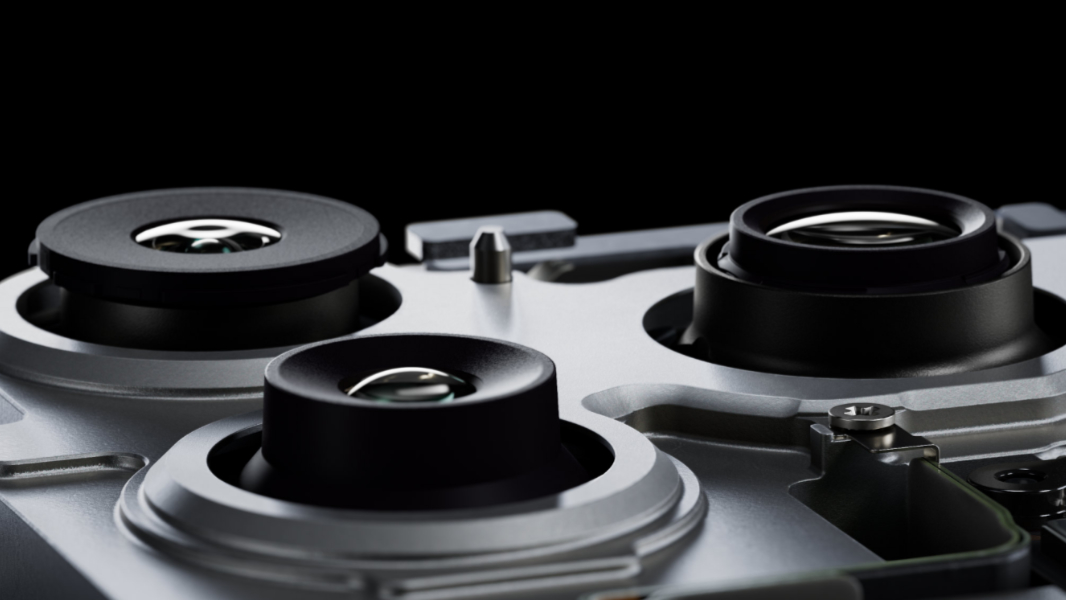
Computational photography can help improve matters dramatically and close the gap between digital SLRs and smartphone cameras. But it should be obvious to anyone that a tiny smartphone camera lens, something that’s typically smaller in diameter than the contact lenses I wear in my eyes every day, will never deliver the same quality as a large physical camera lens. Less obvious, perhaps, is that each of the lenses in the camera system of your phone is a different physical size and provides a different level of quality. That is, even though all three of the rear lenses on the iPhone 17 Pro models are high resolution 48 megapixel (MP) sensors, the main lens is always the biggest and highest quality lens, no matter the phone.
And there is so much tied up in that fact that it’s difficult to even know where to start.
But start we must. Many are familiar with the notion that megapixels aren’t all created equally and that a higher megapixel count doesn’t equate to higher quality images. But what that really means is that a small 48 MP sensor will typically deliver inferior photos than a large 48 MP sensor, all other characteristics being equal. In other words, megapixels do matter, but sensor size really matters.
I celebrated when Google and then Apple finally upsized all their rear camera lenses to high megapixel counts (at least in their respective Pro models). But what smartphone vendors don’t do is advertise the size of those sensors. In fact, I can’t find this information anywhere. All we get are vague and occasional comparisons. Not to harp on Apple, they all do it, but it claims that the iPhone 17 Pros feature the “longest ever” telephoto lens (equivalent) and that its sensor is 56 percent larger than that of its…