
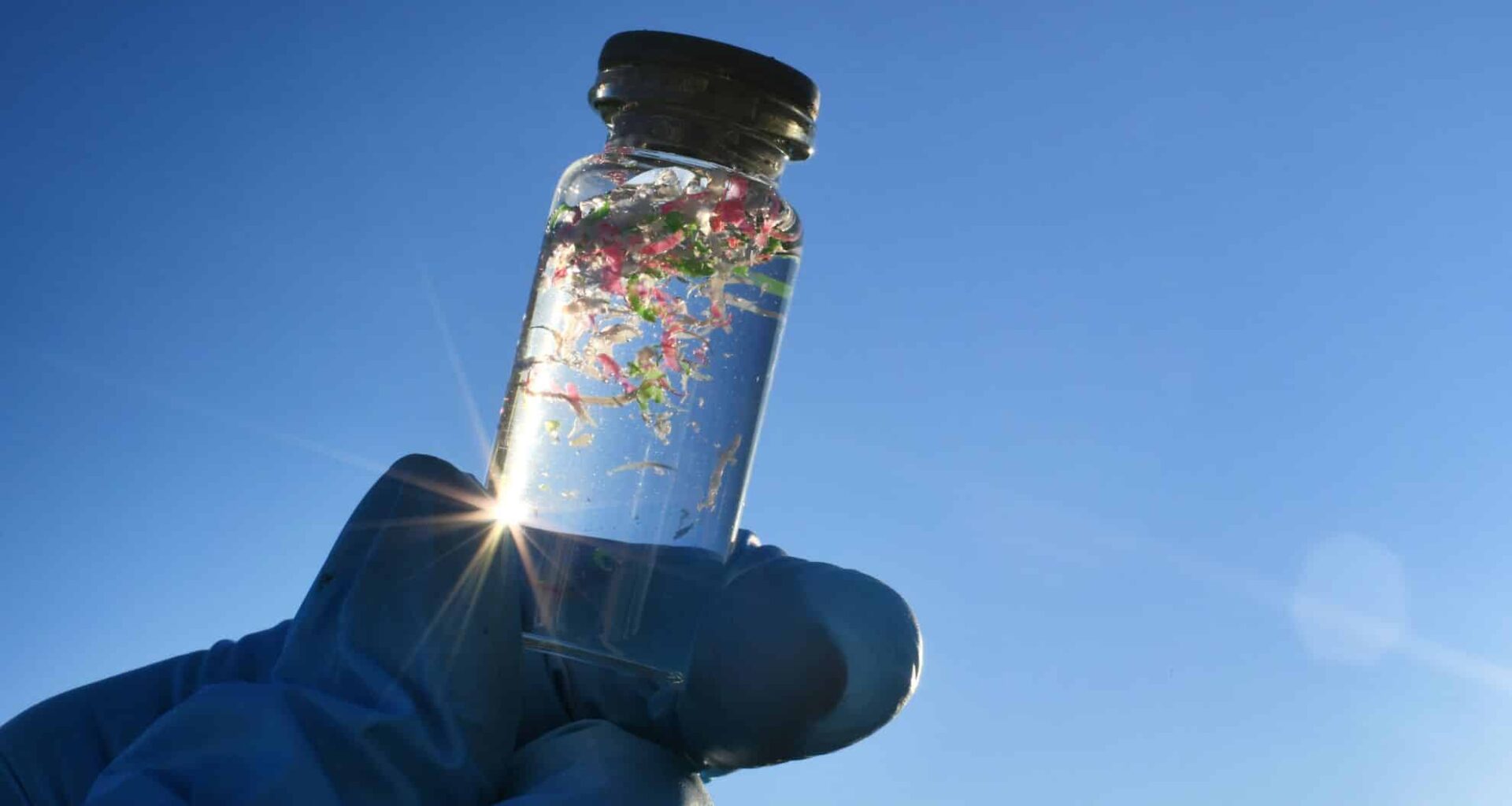
Microplastics, tiny fragments of plastic that measure less than five millimeters, have become a global environmental problem. Once confined to visible pieces floating in water, they have now been found to release a wide range of chemicals into aquatic ecosystems.
This new research highlights the release of dissolved organic matter, or MPs-DOM, from plastics like polyethylene (PE) and polyethylene terephthalate (PET), showing how sunlight accelerates their transformation into a variety of potentially harmful substances. These findings underscore the growing environmental threat posed by microplastics.
Sunlight Speeds Up Chemical Leaks From Plastics
According to a study published in New Contaminants, sunlight plays a critical role in the way microplastics leach dissolved organic matter into water. When exposed to ultraviolet (UV) light, plastics such as polyethylene, PET, and biodegradable materials like polylactic acid (PLA) release organic carbon at significantly higher rates compared to when kept in the dark.
These plastics have different chemical structures, and the more fragile biodegradable plastics tend to release more dissolved organic matter because of their less stable molecular makeup. Researchers found that materials like PLA and PBAT, when exposed to sunlight, released the highest levels of carbon, contributing to a growing chemical pollution problem in our waters.
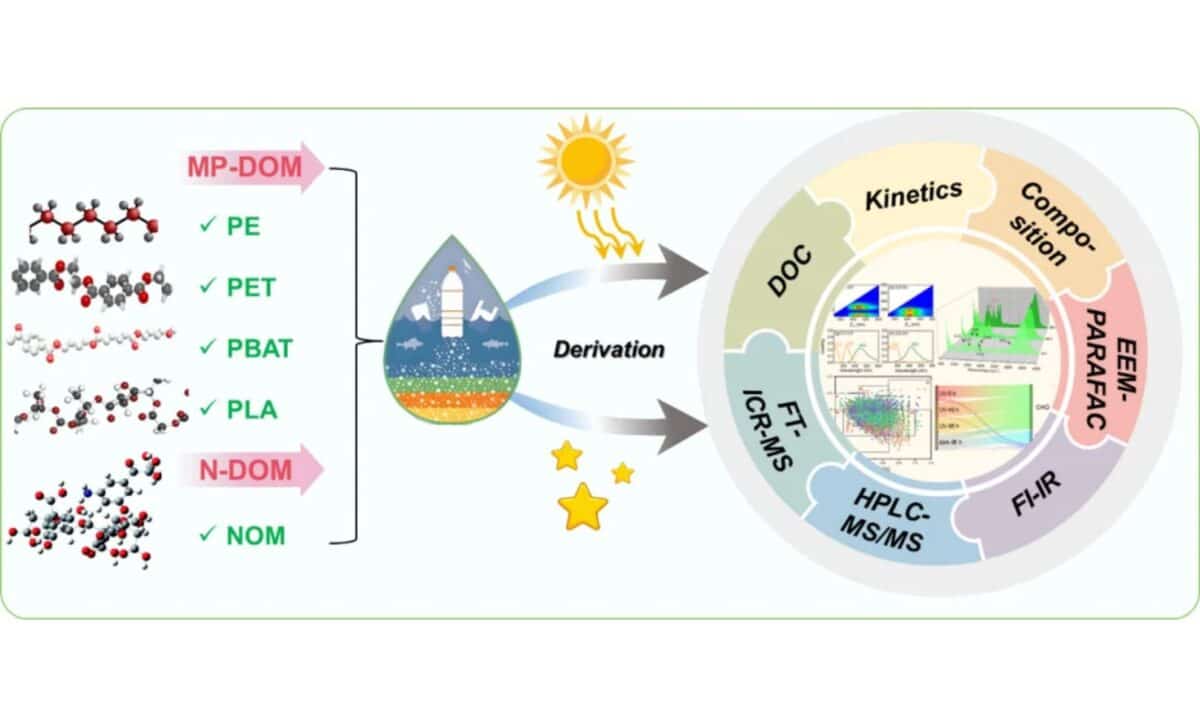 Molecular Insights into the Dynamics of Microplastic-Derived Organic Matter ©New Contaminants
MPs-DOM: A New Chemical Signature in Water
The chemical signature of microplastic-derived dissolved organic matter (MPs-DOM) is significantly different from naturally occurring dissolved organic matter (NOM). Using advanced techniques like high-resolution mass spectrometry and fluorescence spectroscopy, researchers have mapped out the molecular components of MPs-DOM. These chemicals include monomers, oligomers, additives, and oxidized fragments, many of which are not found in natural organic matter.
This shift in chemical makeup could alter microbial activity in aquatic ecosystems and impact water quality. In particular, the chemical complexity of MPs-DOM, especially from aromatic plastics like PET and PBAT, could have harmful consequences for microorganisms, which might be stimulated or inhibited by these novel compounds.
Environmental Impacts Could Be Far-Reaching
The implications of this discovery could be extensive. As more microplastics enter the environment, the ongoing release of MPs-DOM will likely have increasing environmental significance. According to Shiting Liu, one of the researchers involved, the chemicals released from microplastics could interact with pollutants and affect the cycling of nutrients in the water.
These chemical plumes could even modify the adsorption of other contaminants, potentially altering the behavior of metals and other harmful substances in the water. More concerning is that MPs-DOM, which is bioavailable, might become a food source for microorganisms, influencing the microbial communities in rivers and oceans. This could disrupt ecosystem dynamics and even contribute to global carbon cycling in unexpected ways.
As plastic production continues to rise, these chemical releases are expected to intensify, posing a serious risk to water ecosystems worldwide. Understanding the full life cycle of microplastics, from visible particles to their invisible chemical plumes, is crucial to predicting and mitigating their environmental impacts.