
The Bank of Thailand moves to close regulatory loopholes as the surge in ‘invisible’ BNPL debt threatens to undermine national financial stability.
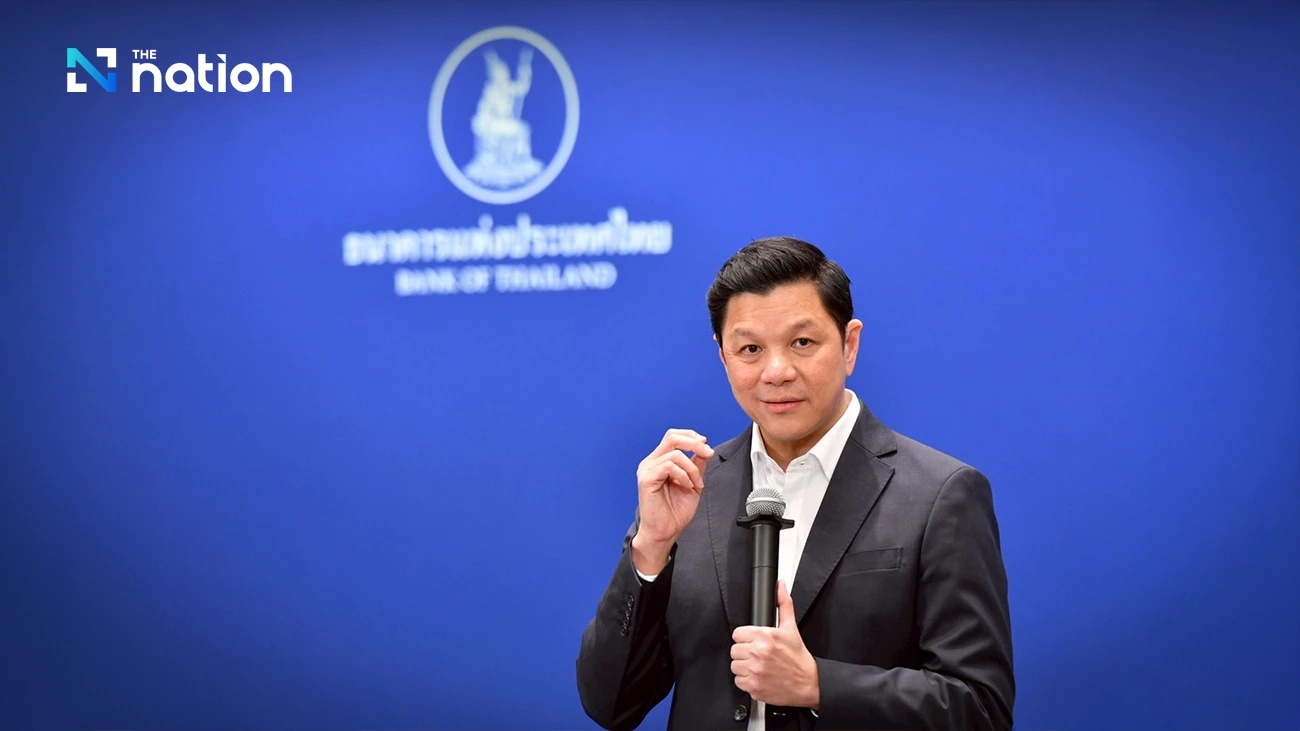
The Governor of the Bank of Thailand (BOT), Vitai Rattanakorn, has signalled a tightening of law enforcement and oversight for ‘Buy Now, Pay Later’ (BNPL) services, warning that the sector’s rapid growth poses a mounting threat to the country’s financial system.
Under current Thai law, BNPL transactions are not technically classified as “loans”, meaning they operate outside the direct jurisdiction of the central bank.
However, the BOT has expressed concern that these services have evolved into a significant systemic risk that requires urgent intervention.
The central bank’s primary concern is that BNPL debt currently exists “off the radar”.
Unlike traditional credit, these transactions are not reported to the National Credit Bureau, preventing a comprehensive assessment of household debt levels.
“We are beginning to see heightened risks from BNPL as transaction volumes surge,” Governor Vitai stated. “Because these businesses do not provide direct loans in a legal sense, they aren’t under BOT oversight. Our priority is to find a pathway to bring them under our supervision to close these structural loopholes.”